What to Do in Mexico City: Where the Chic Set Go

Mexico City–based Carla Fernández has been fascinated by traditional dress since she was a child. Travelling throughout southern Mexico with her father, she witnessed early on the textile traditions of the Indigenous peoples. Years later, with her business partner Cristina Rangel, Fernández founded her eponymous brand, which spotlights historic techniques practised by artisans across the country.
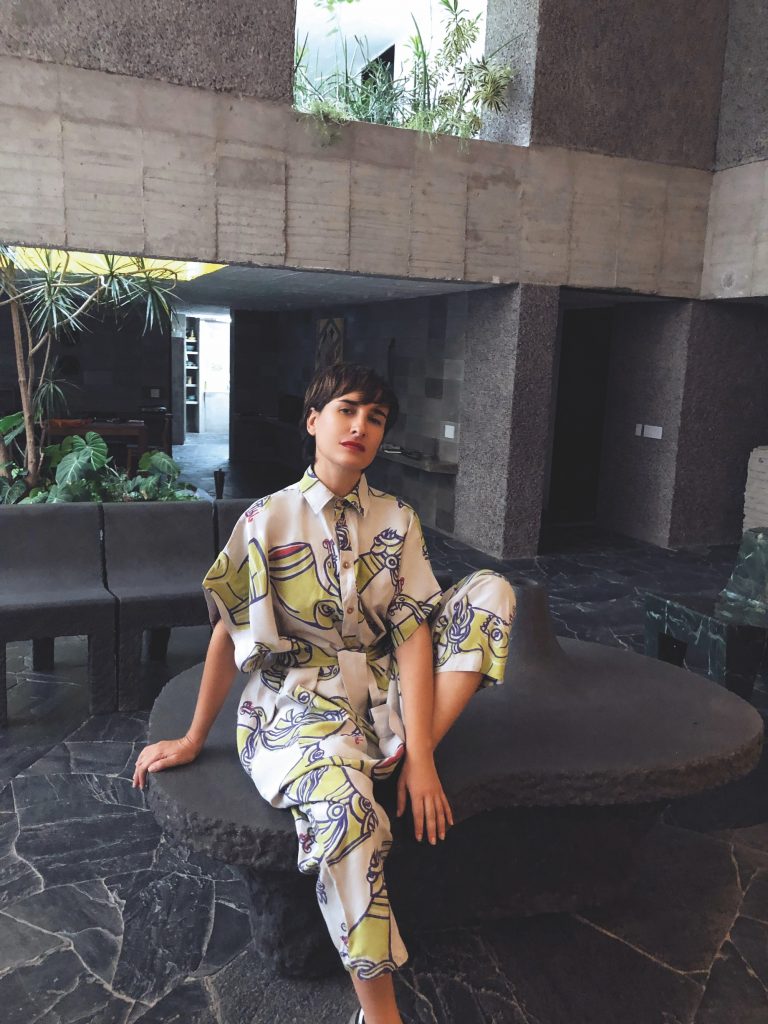
Carla Fernandez
At home in Mexico City’s Coyoacán neighbourhood. Photograph by Ben Lamberty.

“The superpower of Mexicans is creativity,” she says. The designer has become known for her bold, boxy shapes using traditional weaving, embroidery, and pleating, and also for her commitment to empowering artisans through training programs. Here, she shares more of her favourite spots in the capital.  

Shop
Onora
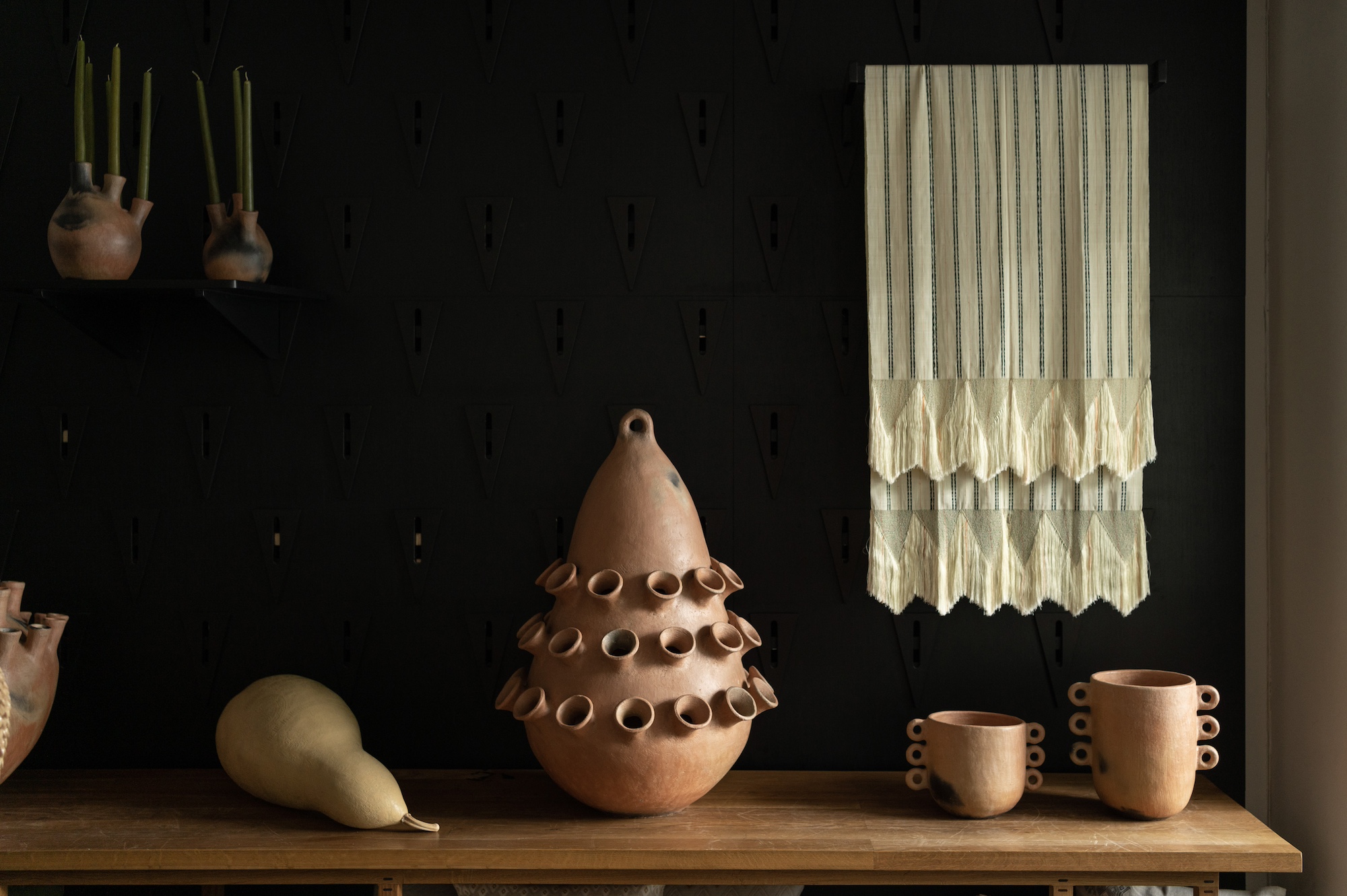
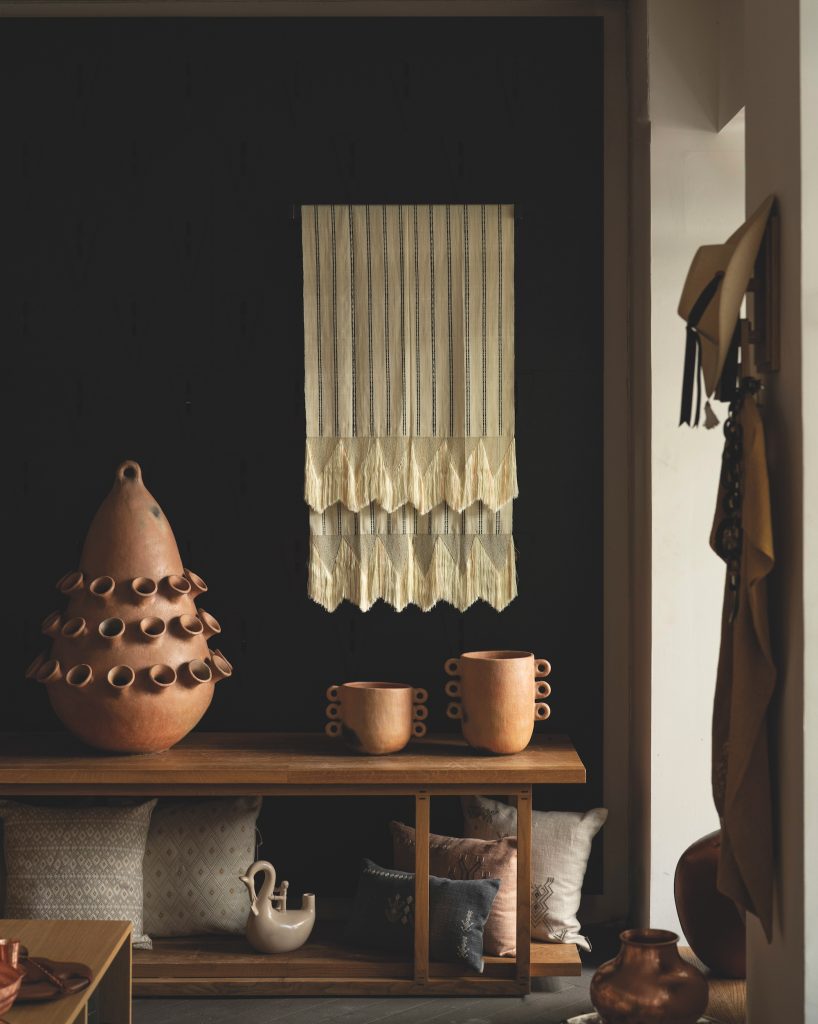
Decorative objects at Onora. Photograph by Fabián Martinez.

Artisan-Led Boutiques: In Mexico City, there are many artisan-led brands and shops she adores, such as Lago (with three locations in the metropolis) and Onora (in the Polanco neighbourhood). “They work together with artisans to create new designs. I love their selection of pieces from all over Mexico,” Fernández says.

Coyoacán Market: “If you want Mexican street food, I truly recommend going. They have these tostadas that have shrimp and chicken, which I love. You can find everything there—grasshoppers and cheese from Oaxaca. I also love to shop for flowers. On Sundays, they have tlacoyos, these tortillas with beans, fava, or cheese inside.”  

See
Mexico University Central Library
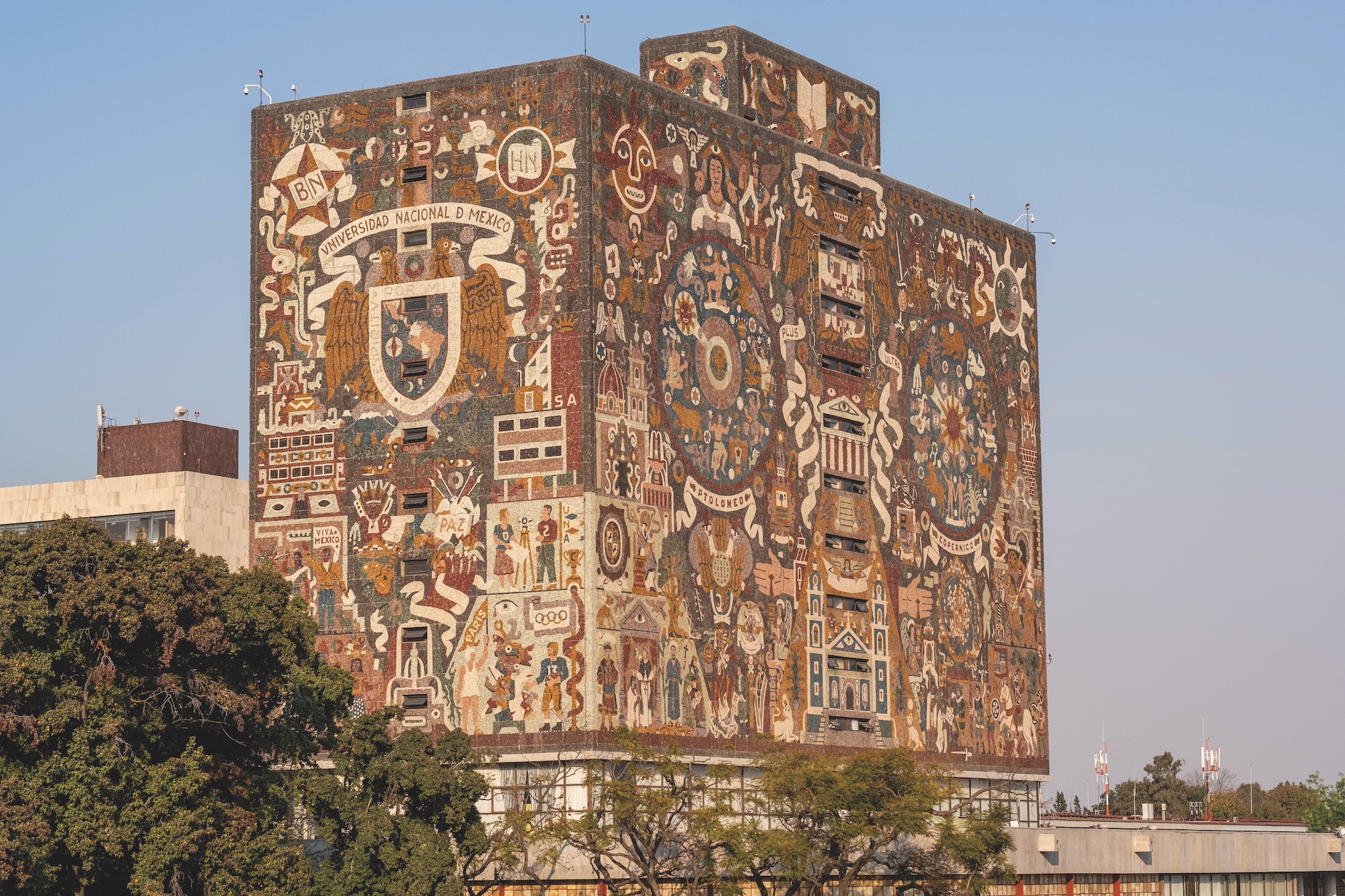
The mural facade at the National Autonomous University of Mexico. Photograph by Bede Sheppard / Wirestock / Adobe Stock.

National Autonomous University of Mexico: “They have beautiful grounds.” Make sure to stop at the Central Library, which is covered with the world’s largest mural: an extraordinary four-sided tiled mosaic by Juan O’Gorman.

Museo Anahuacalli: “An amazing museum, which now has a contemporary art program that is held by a brilliant curator, Karla Niño de Rivera Torres. It’s really progressive. They have a lot of workshops and music festivals, so it’s definitely worth seeing what’s going on.” 

Savor
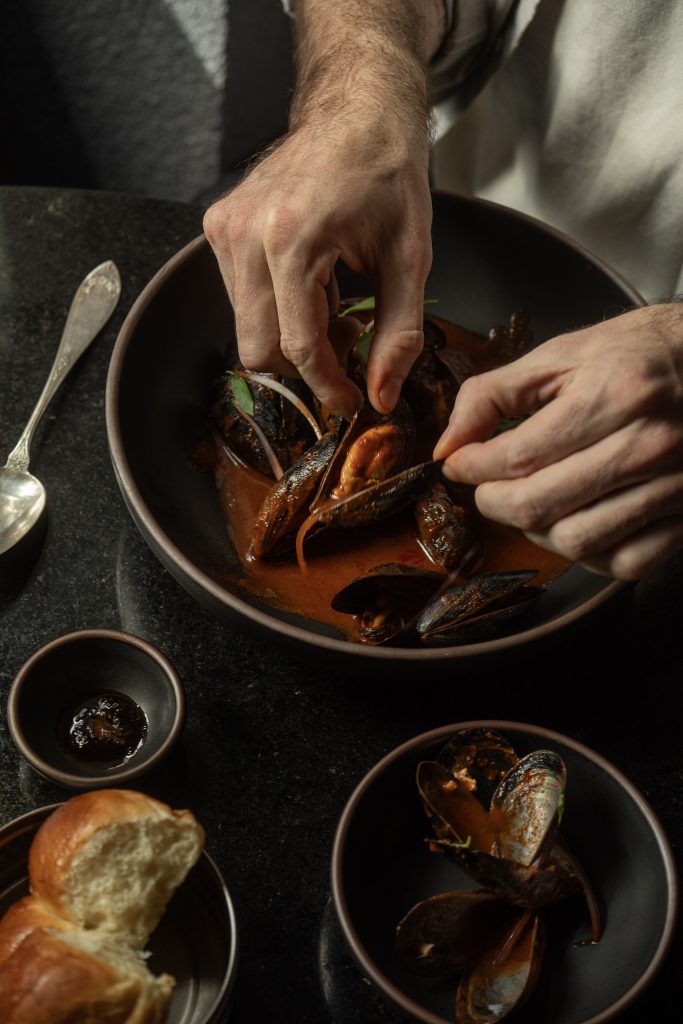
A fusion of global flavours at Masala y Maíz. Photograph by Ana Lorenzana.

Masala y Maíz: “They just received their first Michelin star. I saw them [grow] from the very beginning; we used to be neighbours, but [now] they’ve moved downtown. Their food is just stunning. I love the shrimp, and they have this fried tortilla that has birria [stewed meat] inside—it’s so delicious.” [Read more about Mexico City’s food scene here.]

The Lamb: “I don’t eat a lot of British food, but I love this tiny little restaurant in Roma. They have really good oysters, as well as fish and chips and a delicious pea salad. I also usually order a glass of natural wine or cider.” 
Ticuchi
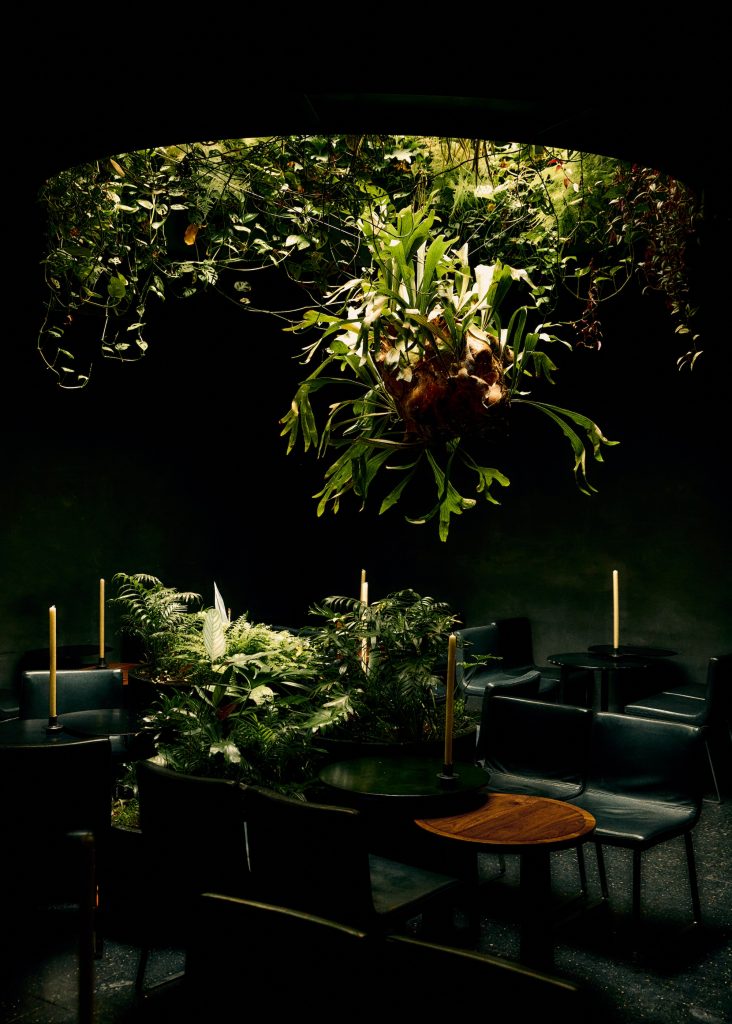
The moody interiors at Ticuchi. Photograph by Robert Morley.

Ticuchi: “I don’t go to Polanco much, but I really like going to Ticuchi—they have the best vegan tacos and amazing mezcal. There’s also a sculpture by my husband (Pedro Reyes) in the entrance.”

La Mano: “Everything is about Mexico [here]! It’s super relaxed with a beautiful garden. I like to go and have a hot chocolate and sweet bread, but they [also] cook the tortillas by hand and have really good tacos. There’s a beautiful store where you can buy good mezcal.” 

Sip

Salón Palomilla: “It’s a really great bar. I’ll get the delicious organic orange wine, which they get from winemakers in Valle de Guadalupe. They have good music from DJs—it’s live, so you have to check the calendar. It’s a great option for Sunday nights.” 

Stay
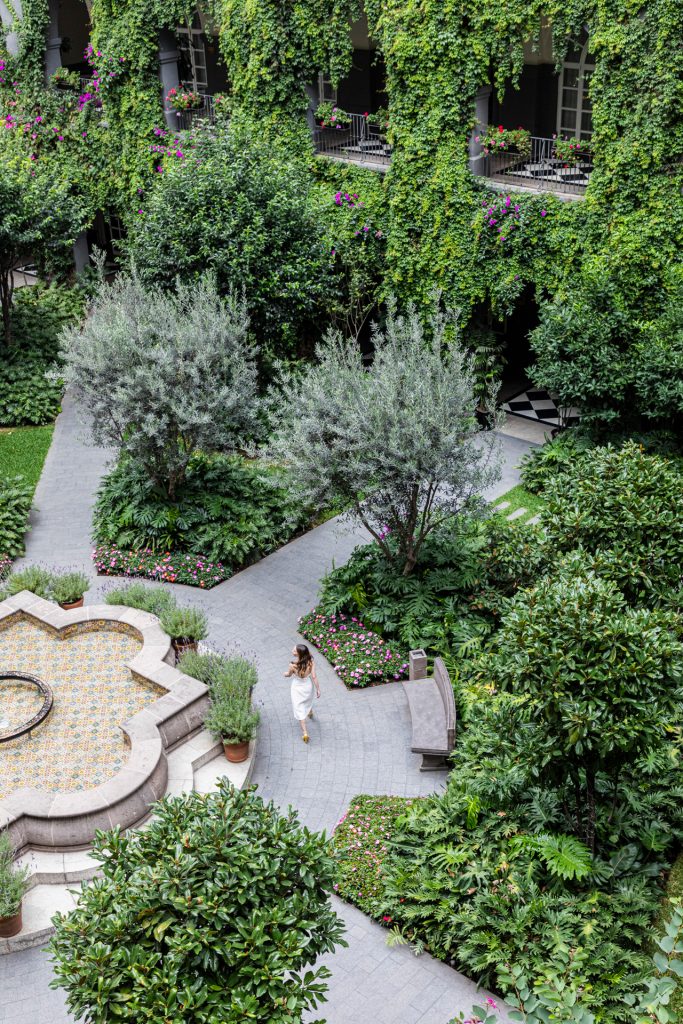
The courtyard at Four Seasons Hotel Mexico City.

Four Seasons Hotel Mexico City: “I like to go for hot chocolate or tea and pain au chocolat and sit in the garden for breakfast. During the Day of the Dead, don’t miss the Pan de Muerto [sweet brioche-style bread]. The hotel is where Fashion Week [events] happen, so I [also] go there to see the shows! The staff are so sweet and gentle.” 
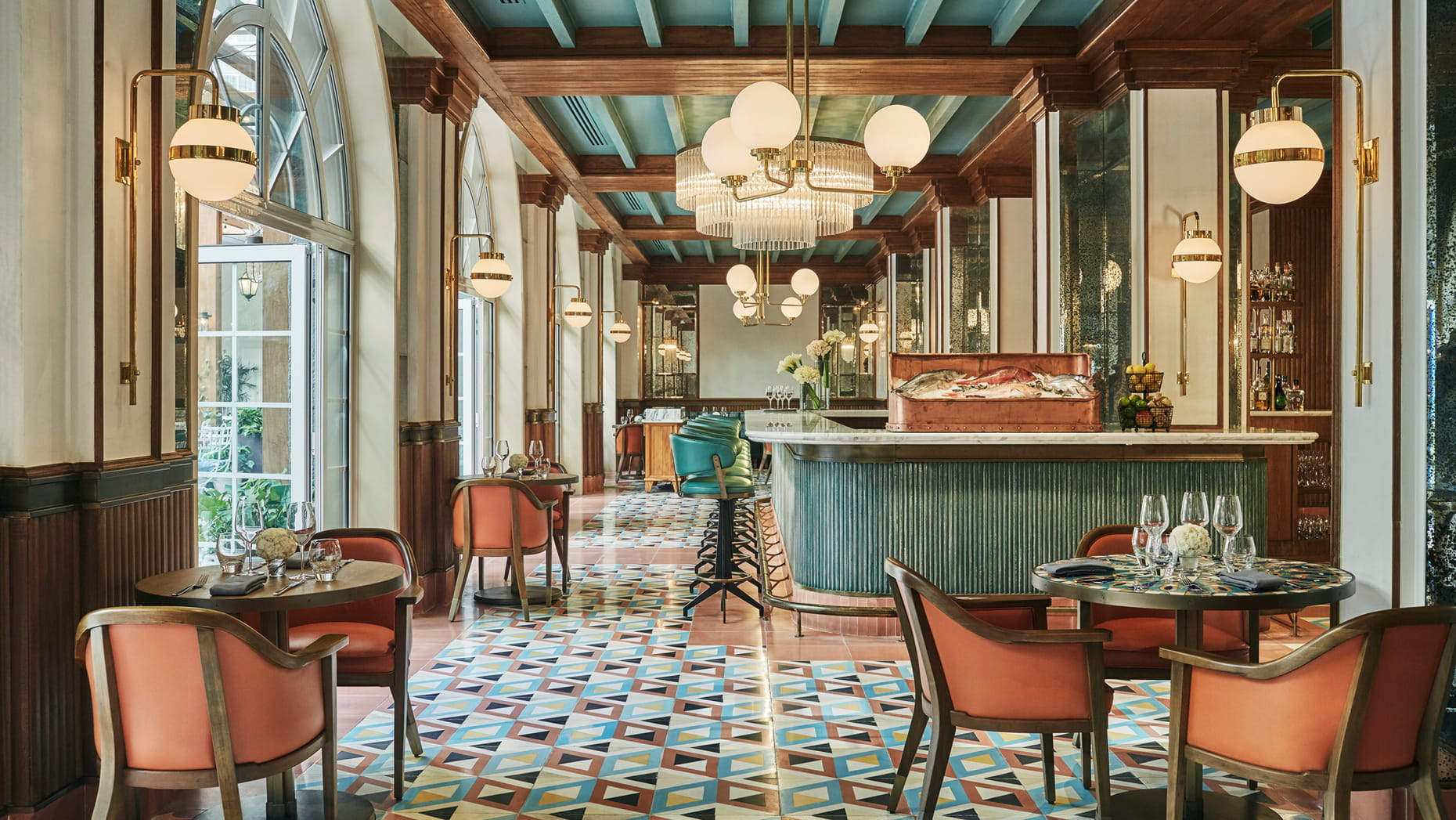
Four Seasons Hotel Madrid is centrally located in Plaza de Canalejas, where you can spot some other notable landmarks also seen in “Money Heist.”

Milan’s Global Moment

On the rooftop of La DoubleJ’s new headquarters in Milan’s Navigli district—a buzzy neighbourhood where restaurants spill onto canals—sits an unexpected oasis: a gong temple, complete with workout mats, meditation cushions, and a wall of bronze gongs. The glass-walled room, which overlooks the city’s old terra-​cotta rooftops, is a community space accessible to anyone who signs up for yoga, meditation, and sound baths. “Twenty years ago, nobody would have come to a wellness space on top of my office,” says J.J. Martin, founder of La DoubleJ, the maximalist fashion and homeware brand known for its bold printed dresses and sets.  

When the magazine editor turned designer first moved to Milan from the United States 25 years ago, no one she knew there was doing breathwork, let alone practicing yoga. Now La DoubleJ’s classes are packed. “We’ve got a full house,” she says. This rooftop wellness space captures a new wave rippling through Italy’s second-largest city. The metropolis’s cultural tone is shifting as more foreigners are lured there due to great quality of life, as well as a flat tax system. “Everywhere I go—whether it’s New York, London, Palm Beach—I’m hearing about the mass exodus to Milan for tax purposes,” says Martin, adding that this influx has fueled a surge in local property values and rentals. For high-net-worth individuals, Italy’s offer for new residents to pay a fixed annual levy of €200,000 on all foreign‑sourced income is a huge draw. Money is flooding in. Last year, Milan’s Via Monte Napoleone became the priciest shopping street in the world, overtaking New York City’s Fifth Avenue and boasting a new Tiffany & Co., the brand’s largest European flagship. 

La Double J
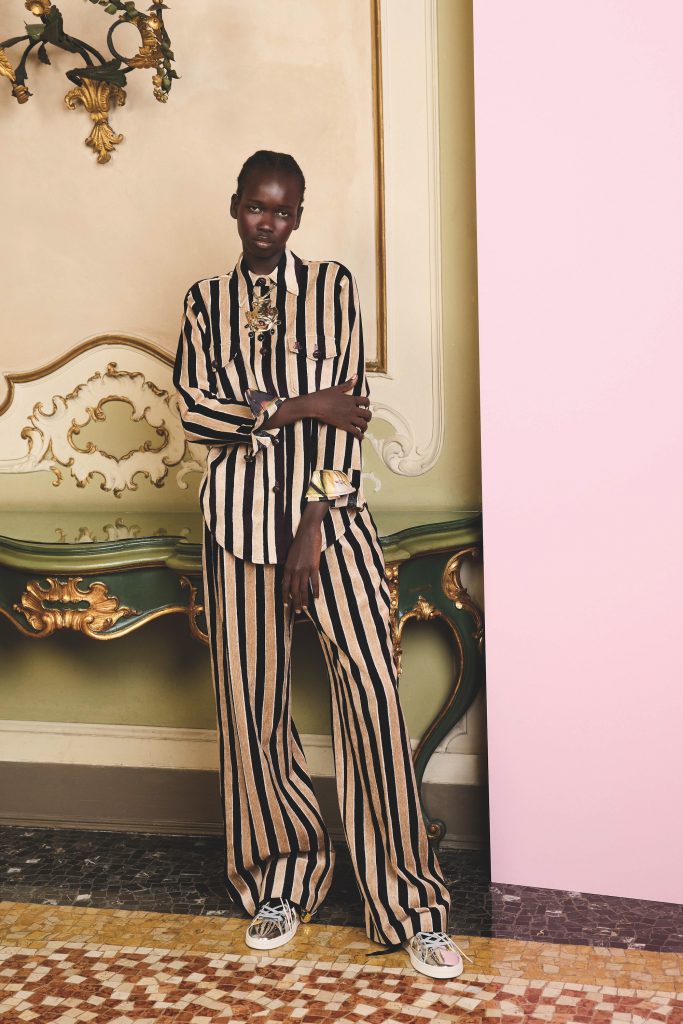
La DoubleJ velvet jacquard jacket and pants from the fall 2025 collection, presented at Milan’s Palazzo Visconti in February.  
La Brera Milan
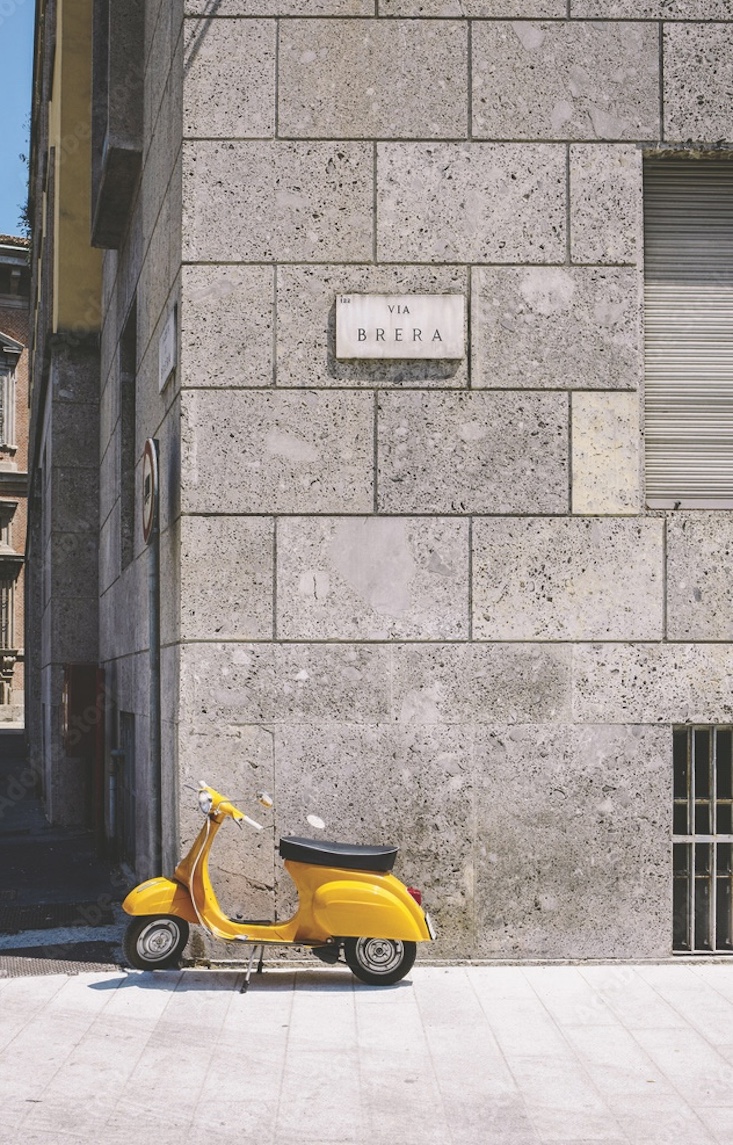
Milan’s Brera district. Photograph by Paperclip Images / Stocksy / Adobe Stock.

For many creatives, the attraction lies in the city and culture itself. While celebrated as Italy’s fashion and design capital, Milan has long carried a reputation as the country’s grittier, more industrial city—not as ornate as Florence or as historically cinematic as Rome. Indeed, Milan’s architecture showcases a striking duality—case in point, the Duomo, with its intricate marble façade, and the Galleria Vittorio Emanuele II arcade, with its glass-and-steel canopy, located not far from converted factories and warehouses. Yet its beauty lies precisely in its subtlety. As David Raffoul, the Paris-born, Beirut-raised co‑founder of design studio David/Nicolas, puts it, “The beauty of Milan is that it’s not an obvious city.” 

In Milan, heritage isn’t just preserved; it’s celebrated. “Out of all the European countries, Italy is the one that stays quite [connected] to its heritage,” says the Norwegian art advisor and curator Truls Blaasmo, who moved to Milan four years ago and whose clients include Gucci. “The Italians are so true to their history.” For him, Italy’s legacy of tradition and design made the move irresistible. “What’s key in the history and heritage of the city is manufacturing, whether it’s cars or furniture.” For many designers and artists, proximity to top-tier artisans—both in Milan and close by elsewhere in Italy—is extremely appealing. “In terms of production and artisans, they are the best,” says Raffoul, who made Milan his permanent base in 2020. “You can go to Veneto, anywhere, and you will find great artisans.” 

FS Milan
The newly renovated Renaissance Suite, designed by Pierre-Yves Rochon, at Four Seasons Hotel Milan.  

Some 20 percent of Milanese residents today are foreign-born, making the city one of the most diverse hubs in the country.

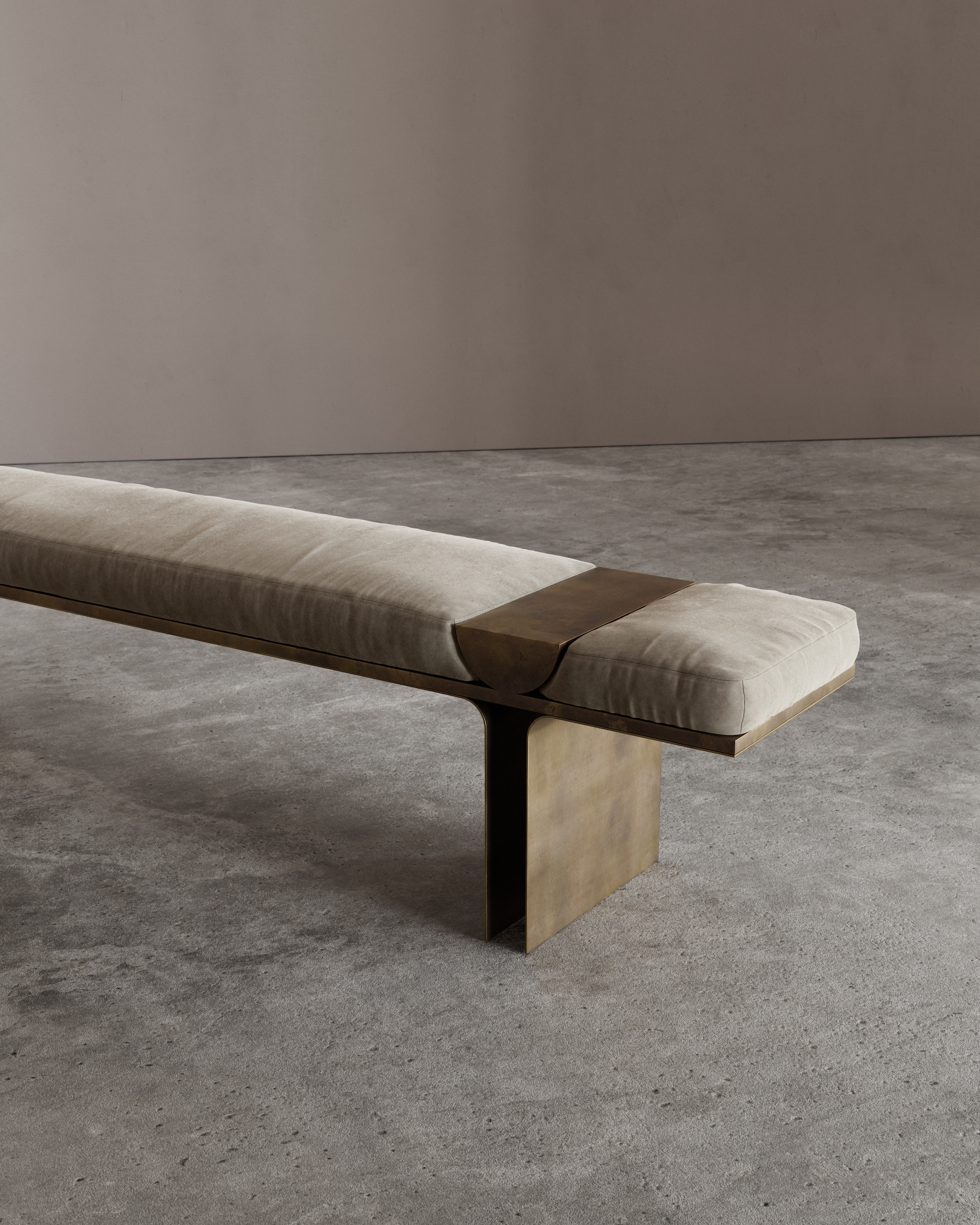
Some 20 percent of Milanese residents today are foreign-born, making the city one of the most diverse hubs in the country. For furniture designers Francis Rudman and Azamit, the married co-founders of Hintsa Rudman, relocating from Montreal to Milan offered an opportunity to start something new. After visiting the city over the years to attend the design fair Salone del Mobile, they finally made the leap two years ago and launched their furniture brand, which uses bronze, brass, and wood to create heritage-​inspired contemporary benches and tables. “It just clicked,” says Azamit. “All the ateliers and manufacturers are so close.” The duo is preparing to debut a collection inspired by their move to Italy. 

Similarly, the U.S.-born clothing designer Brett Johnson, who shows during Milan Fashion Week, has found the city alluring for its artisanal access. “The best trade fairs for fabrics and leathers are in Milan,” says Johnson, who is known for his sharp tailoring. “I discover all the latest offerings there.” Although he splits his time between Milan and Virginia, Johnson maintains a strong presence in the Italian metropolis. He has a showroom on Via Manzoni, near Brera, the upscale neighbourhood that is home to the Brera Academy of Fine Arts and such chic boutiques as the Venetian shoe brand ViBi Venezia and the perfume bar Olfattorio. Other designers who now call Milan their creative base include Japanese-born Satoshi Kuwata, founder of the label Setchu, and Istanbul-​raised Umit Benan, who recently opened his first store on Via Bigli. 

For many, moving to Milan also means enhancing their quality of life. Ambra Medda, co‑founder of Design Miami and the design consultancy AMO, made the move from London to Milan with her husband, designer Edward Barber (of Barber Osgerby), in part to give their children “a slice of Italian culture,” she explains. Although Barber still splits his time between London and Milan, Medda—who was born in Greece and has lived in New York and Miami—wanted her kids to grow up learning Italian. “Living in Italy is so replenishing,” Medda says. Rather than being stuck in a car all day in London, she now bikes or walks through the city with ease. 

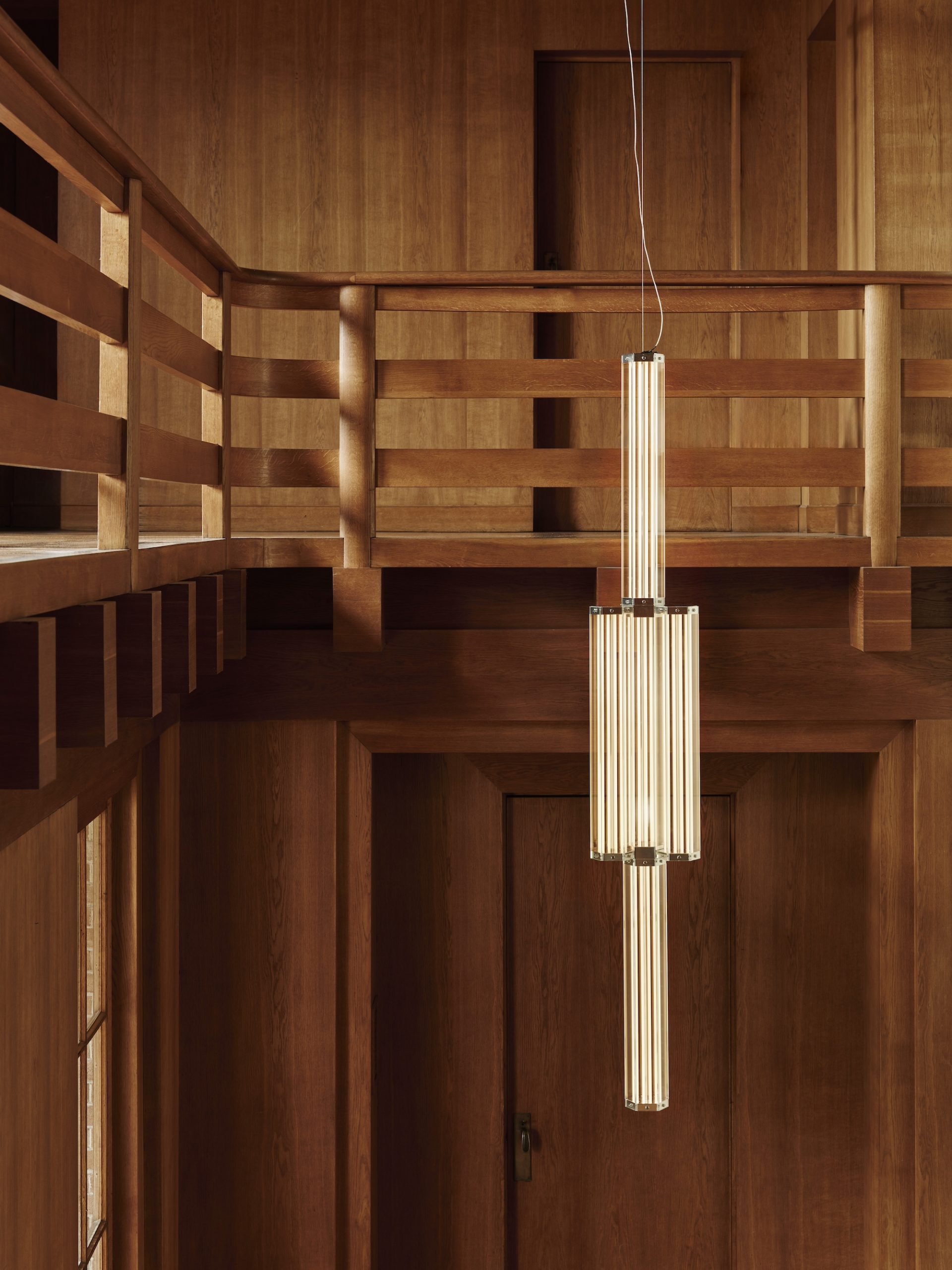
Formafantasma’s SuperWire modular lighting system.
A bench from Hintsa Rudman’s Hiwot collection. 

It’s not just foreigners flocking to Milan; Italian creatives are reclaiming the city, too. Born in southern Italy, fashion designer Francesco Murano first moved to Milan in 2016 to study fashion. “It’s the only metropolitan city in Italy at the moment,” says Murano, who is a finalist for the prestigious LVMH Prize. He launched his brand in 2021 and made his Milan Fashion Week debut in February 2025. In recent years, he has seen more emerging brands rising. “If you want to do this kind of work and be close to trends, you have to stay in Milan.” 

And then there are the Italians returning home. Andrea Trimarchi, co‑founder of the research-focused studio Formafantasma, spent two decades abroad, launching the studio in the Netherlands after studying in Florence, before moving back. “We were missing sun, food, and friends,” he says. At the time he left, Milan’s design scene was tightly controlled by an older generation. “There was no space for the younger generation to flourish,” Trimarchi recalls. Now that’s changing. “A lot of Italian people moved abroad and in the last few years have decided to come back and establish studios similar to ours,” he says, noting that Formafantasma moved its studio into an irresistible warehouse space.  

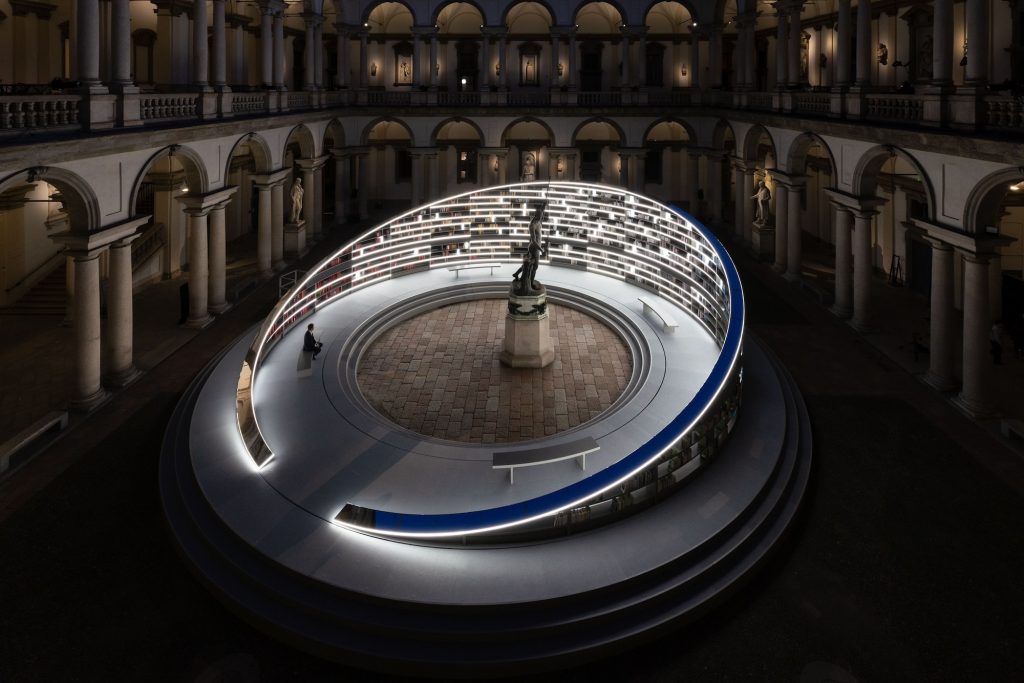
British artist and stage designer Es Devlin’s kinetic installation Library of Light, presented at Pinacoteca di Brera during Salone del Mobile 2025. Photograph by Monica Spezia.

Throughout its history, Milan has been welcoming of immigrants. “It’s always been receptive to foreigners,” says Trimarchi. “It’s the richest region in Italy and biggest producer of design and fashion, so there’s a lot of work there.” Recent years have seen this openness accelerate, spurred by events like Expo 2015 and Salone del Mobile, the annual design fair that has begun attracting major brands, such as Gucci, Prada, and Loewe, presenting immersive installations. Looking ahead, the Milano Cortina Winter Olympics, running February 6 to 22, 2026, will further cement the city’s global influence. Milan, the co-host of the games, will be the site of figure skating, speed skating, hockey, and the opening ceremony. 

Milan has long had an impressive dining scene and currently boasts 18 Michelin-starred restaurants, such as the avant-garde Contraste (which recently underwent a stunning, multihued redesign) and Enrico Bartolini al Mudec, the city’s sole three-star establishment. Trimarchi notes, though, that the food scene has shifted; it now offers Mexican, Indian, and Japanese cuisines, which was unheard of in the past. “There is a much more diverse culinary environment,” he says. Natural-wine bars, such as Nico and Flor, are crowded with patrons sipping glasses of orange wine. “When I first moved here, there was zero international food. You could only get Italian, and it was either at a restaurant or homemade, no takeout or delivery,” says Martin, adding that there are now “even a few vegan and gluten-free spots.” 

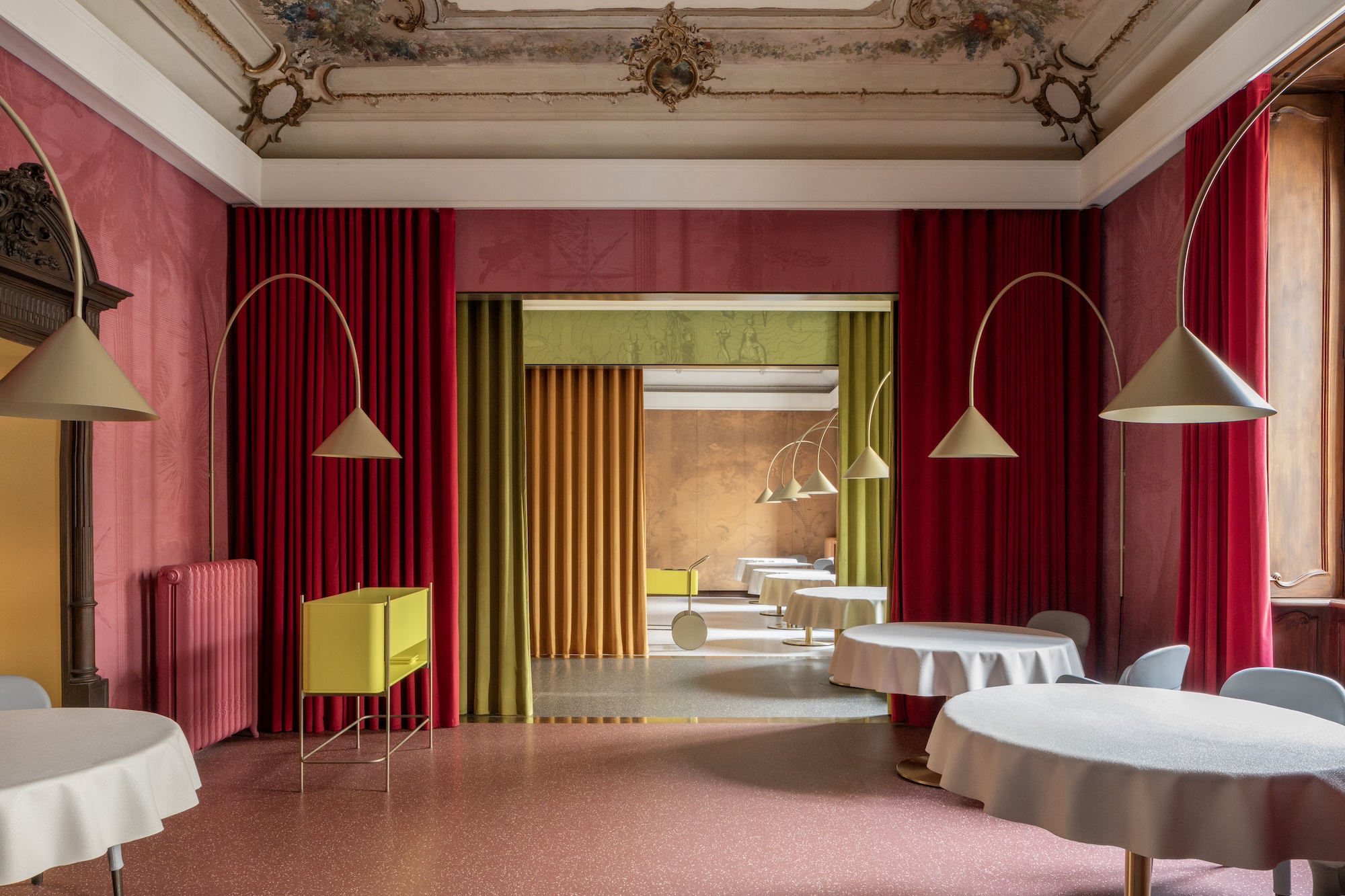
But for all its changes, Milan retains a timeless essence. Step into Marchesi 1824, a historic café where locals enjoy espressos and pastries at the bar, or A Santa Lucia, a no-frills restaurant where the walls are crowded with vintage photographs and tables are dressed in stark white tablecloths. Beloved establishments remain staples. Raffoul swears by the club sandwich at Four Seasons Hotel Milan, where the suites and rooms were recently remade by the illustrious French designer Pierre-Yves Rochon with velvet couches and sienna-hued wall coverings inspired by the cloister’s frescoes.  

And while Martin is pleased that people want to dabble in sound baths, she is also glad that the city is still rooted in its many traditions. That is, after all, part of what drew her to Milan in the first place. “When I first arrived, Milanese fashion was like out of a movie—the women in kitten heels and the men in their Brioni suits,” she says. As globalism has spread, the street style has adapted, but Martin says, “you still have that innate sense of individuality and style that I think is built into the DNA of the Italians.” The city might be transforming, but some things, such as a well-made espresso, remain beautifully the same. “You still can’t get French food here,” she notes. “Some things don’t change.”