The Distinction List: 25 Trends for the New Era of Luxury

What will we covet next? A who-what-where report from the frontlines of luxury fashion, design, dining, and more.

01

THE SUMMIT OF EXCLUSIVITY: Limited-edition lines, such as Louis Vuitton’s Objets Nomades home and furniture collection, represent an increasing focus for high-end brands. With worldwide distribution more available than ever for a maison’s main lines, it’s no longer enough for price to confer exclusivity. Luxury houses dream up extra offerings characterized more by scarcity and whimsy than by simple cost. A standout from the 2025 Objets Nomades roster is the Kaleidoscope Cabinet (pictured below, left), produced with Brazil-based Estúdio Campana. More than two years of development went into the creation of this exquisite limited edition (there are only eight)—with time spent on everything from the gold-plated brass hinges to the curved bottom drawer. (The drawer was so difficult to achieve, it almost stymied the entire concept.) —Mark Ellwood

02

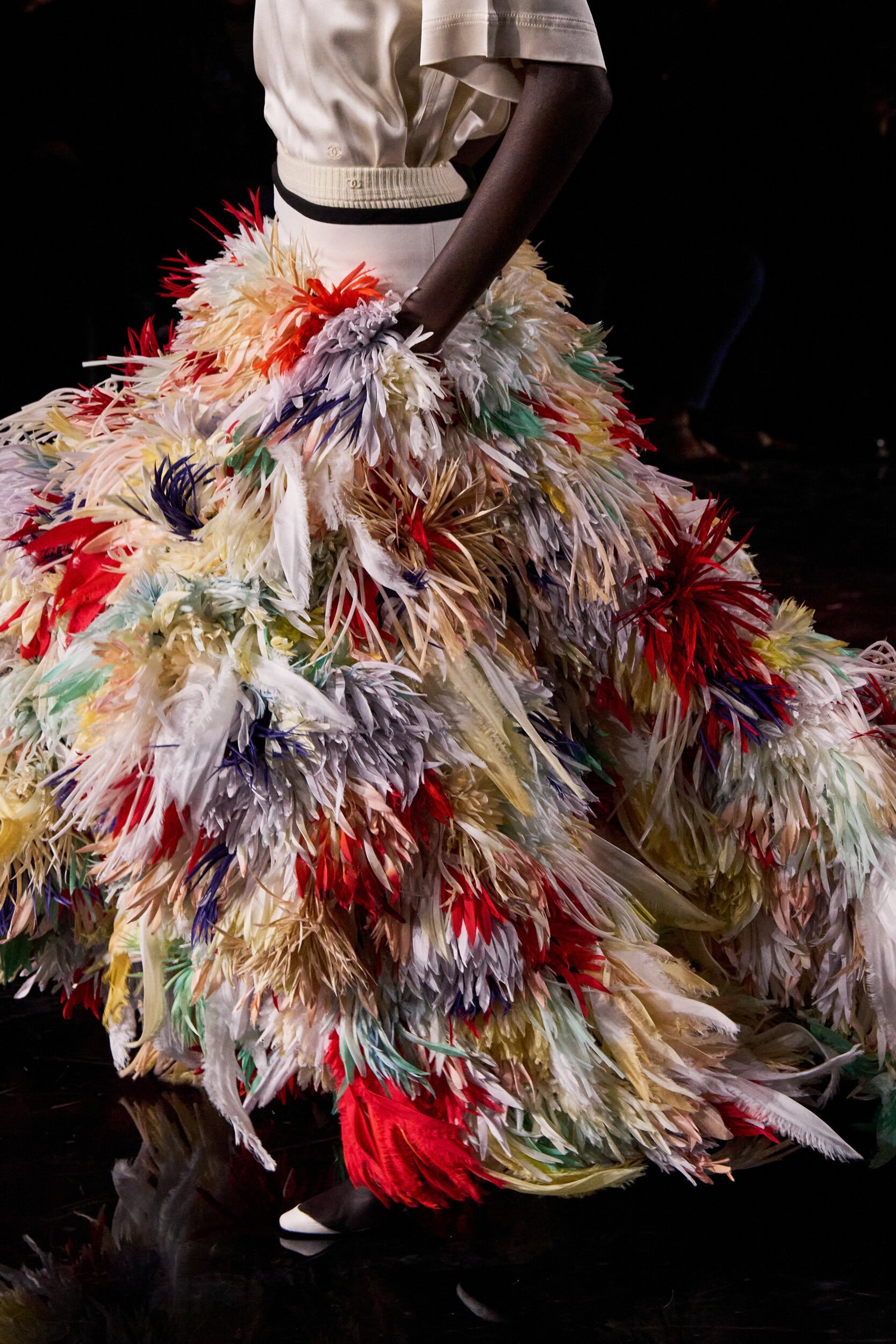
FASHION RESET: A changing of the guard electrified the runways for the Spring 2026 season. In Milan, Dario Vitale’s first solo outing for Versace mixed bold colours with slim cuts evocative of Gianni’s 1990s heyday, while at Gucci, Demna’s tribute to the label’s iconic motifs included maximalist interpretations of the horse bit and the GG monogram. From Paris, highlights included Jonathan Anderson’s modern take on the New Look at Dior; Pierpaolo Piccioli’s sculptural designs in a “neo gazar” fabric at Balenciaga; Michael Rider’s blend of French minimalism and preppy chic at Celine; and technicolour-bright pieces, inspired by an Ellsworth Kelly painting, from Loewe designers Jack McCollough and Lazaro Hernandez (the founders of Proenza Schouler). But few designers stirred more anticipation than did Matthieu Blazy, formerly of Bottega Veneta, with his debut collection for Chanel. On a runway themed to Coco Chanel’s love of astronomy, Blazy offered his interpretations of the house’s iconic codes, from menswear influences to textural tweeds and colourful feathers (see photo above). The overriding idea? Said Blazy, “I just wanted to have fun.” —Laurie Brookins

03

SENSE OF PLACE: Since its 2023 debut on the World’s 50 Best Restaurants list at number 37, Sézanne at Four Seasons Hotel Tokyo at Marunouchi has continued its rise. In 2025, it rocketed to the list’s number-​seven spot; it also holds three Michelin stars. Under chef Daniel Calvert’s direction, Sézanne is celebrated for its 12-course tasting menu highlighting seasonal Japanese ingredients. Calvert credits the restaurant’s success to an unwavering pursuit of excellence: “That’s what you strive to do—a little better every day.” —Degen Pener

04

ICONIC CHARMS: Grace Kelly and Elizabeth Taylor were photographed in the 1970s wearing Alhambra—the famed collection that Van Cleef & Arpels debuted in 1968—but today, as men increasingly embrace luxury jewelry, it might be NBA legend LeBron James, Olympic fencer Cheung Ka Long, or the Los Angeles Dodgers’ Miguel Rojas sporting the striking four-leaf-clover designs (tiger’s-eye style shown). The newest Alhambra examples showcase clovers of blue agate, while others include onyx, historically a talisman against negative energy. —L.B. 
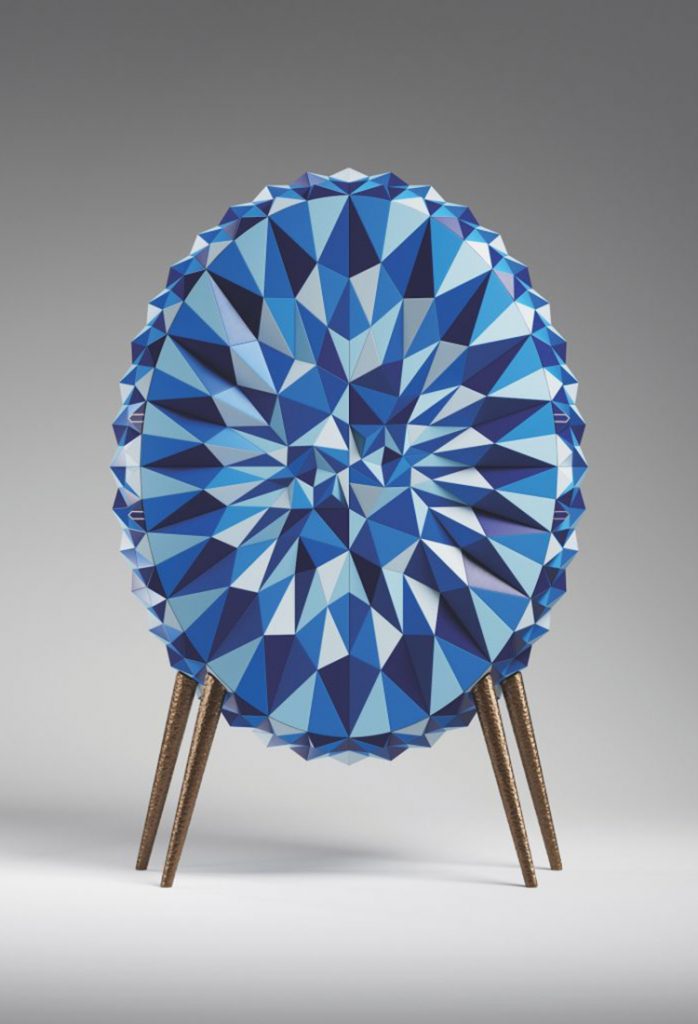
1: The new Kaleidoscope Cabinet from Louis Vuitton’s Objets Nomades collection.
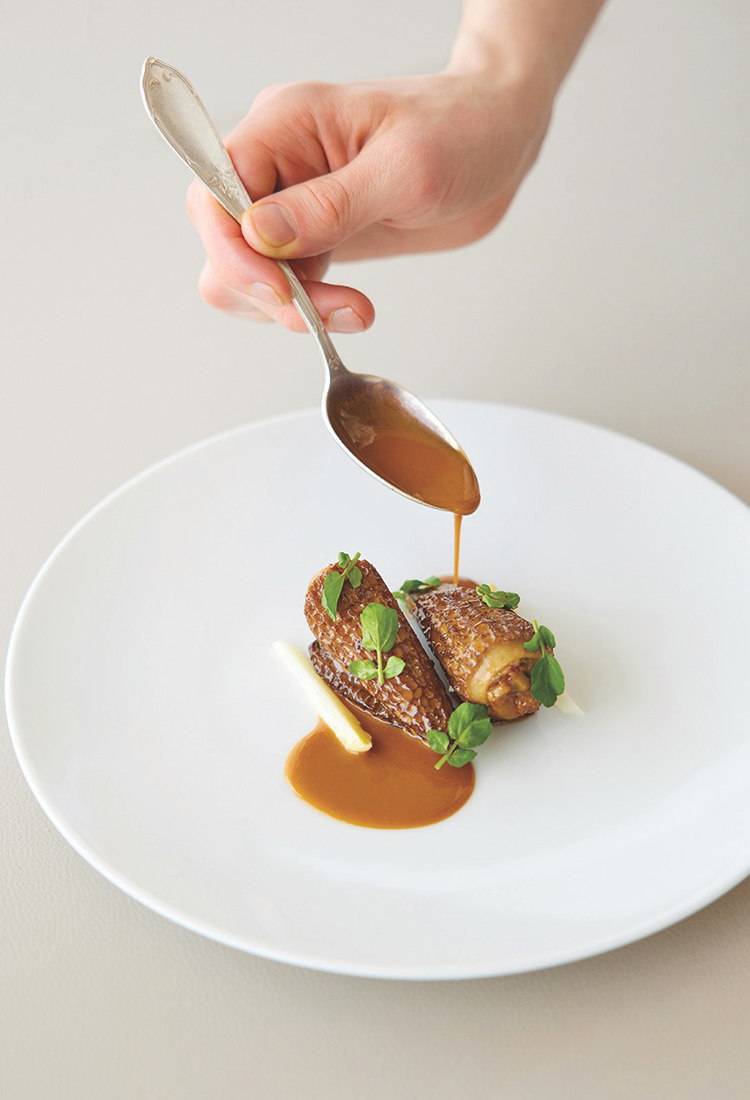
3: Morel mushrooms with white asparagus and roasted chicken sauce at Sézanne.

05

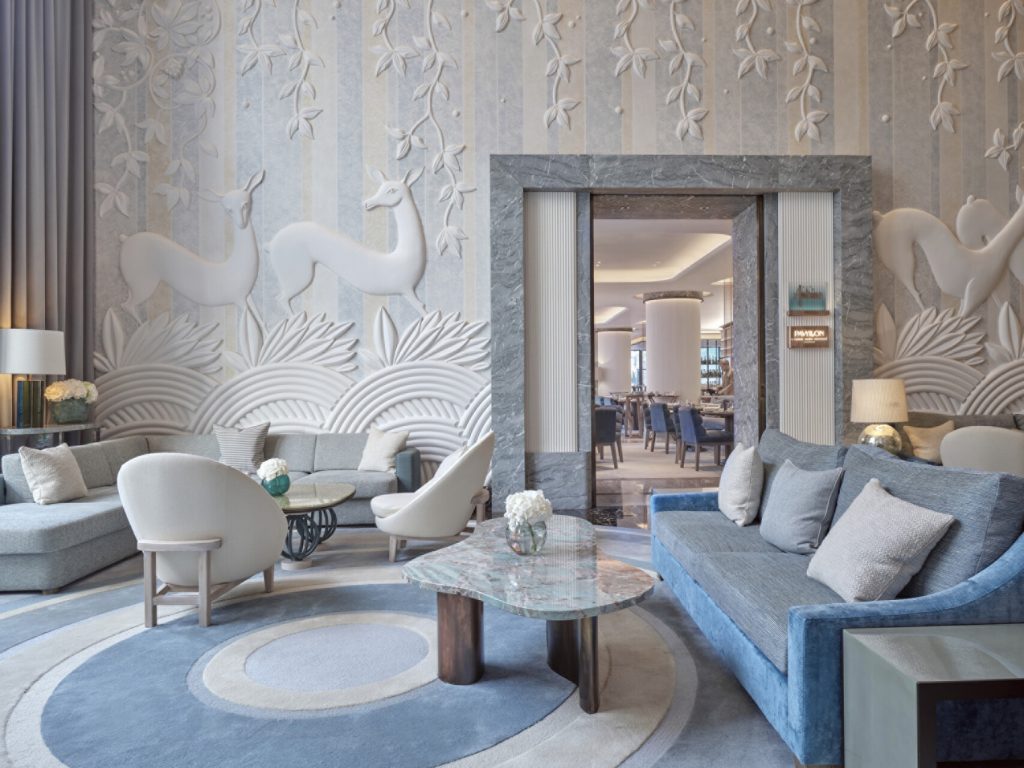
PERFECTLY POISED IN LONDON: Understated. Discreet. Refined. Four Seasons Hotel London at Park Lane exemplifies this era’s embrace of quiet luxury. The original Four Seasons in Europe, the London hotel celebrated its 55th anniversary in 2025 by earning three Michelin keys for the second year in a row, while its Yannick Alléno–helmed restaurant Pavyllon London retained its Michelin-​star honour. A collection of 18 recently renovated suites (some with terraces overlooking Hyde Park) feels like a sanctuary in the city, as does the spa, which offers treatments and wellness therapies ranging from a jet-lag massage and body brushing ritual to a holistic facial based on Chinese medicine techniques. The property shares its three-Michelin-keys distinction with its Four Seasons sister hotels in Megève, France; Athens (Astir Palace); Tokyo (Otemachi); and Paris (George V). —Pavia Rosati

06

AI HYPERCAR: In a sign of how artificial intelligence is entering the luxury auto world, the start-up Vittori unveiled its first hypercar, the Turbio, in October. Designed with the famed Italian firm Pininfarina, the vehicle features a sleek and sculptural silhouette derived from hundreds of AI-generated concept renders, and AI-powered 3D printing methods influenced the shape of the carbon-fiber and titanium chassis. Only 50 models will be made, produced in collaboration with Pininfarina. —D.P.

07

BRITISH WINE WINS: The bubble’s popped: French sparkling wine no longer retains its stranglehold after a series of upstart wineries bested Champagne’s finest at several contests—​​and those triumphant vintages are from England, where the terroir mirrors that of Épernay but the climate retains the crispness essential to superb fizz. Specifically, it was Nyetimber’s 2016 Blanc de Blancs Magnum that pipped four shortlisted candidates for the crown at the International Wine Challenge awards in September, the first time a wine from outside of Champagne has taken the title. Order a bottle or two of Nyetimber at Four Seasons Hotel Tokyo at Otemachi.
—M.E.

08

EAR CANDY: In a sea of on-the-go audio options, Bang & Olufsen’s Beo Grace wireless earbuds stand apart for their chic refinement and world-class sound quality. The striking earbuds with polished aluminum stems are remarkably lightweight—enough that each earpiece can rest on a flower petal. Even the pearl-blasted aluminum charging case is elegant and can stylishly sit on a valet tray when not in use. —Beau Hayhoe
Four SEasons London
5: Four Seasons Hotel London at Park Lane celebrated its 55th anniversary last year.

09

VINYL RENAISSANCE: Vinyl has serious staying power, as seen in the number of listening bars opening worldwide. To get that hi-fi, high-design experience at home, look to Wrensilva’s meticulously engineered record consoles, available in a variety of wood finishes, each one a statement piece. The San Diego–based company’s latest offering is the Wrensilva Larrabee Creator Edition M1 console, a limited-edition collaboration with the Grammy-winning mix engineer and Larrabee Studios owner Manny Marroquin. Built to integrate with Sonos audio systems, the console is a study in both striking good looks and remarkable sound quality. —B.H.

10

ULTRA PERSONALIZED: No other fashion company in the world is quite like NB44. Founded by Nicolas Bijan Pakzad, the invite-only, membership-based brand takes the personalization of luxury to the next level: Each quarter, it sends a custom-​built trunk (pictured below, left) of its stylish menswear to its clients, who include Wicked director Jon Chu, with each delivery tailored to the wearer’s lifestyle. Clients can purchase what they like and request any changes they desire, such as remaking a burgundy zip-neck sweater in navy with a shawl collar. —B.H.

11

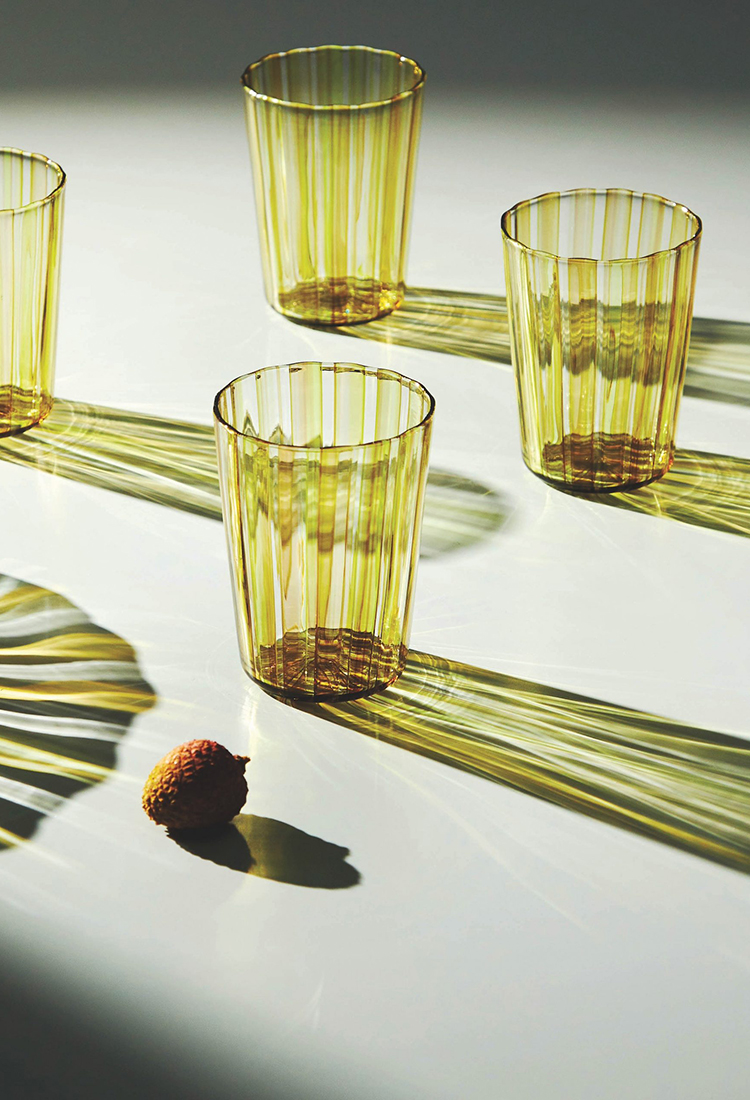
HANDPICKED FOR HOME: If, like most style obsessives, you’re still mourning the demise of MatchesFashion.com, fret not: co-founder Tom Chapman, with his signature edgy, eclectic eye, is now running Abask, an online outlet specializing in home and design. The site epitomizes the search for exclusivity that remains a core driver for luxury. It features 2,000 or more handpicked treats, both antique and contemporary, as well as its own reissues of design classics from the likes of NasonMoretti, the Murano-based glassworks. This season’s particular focus: Japanese makers. Take your pick between Kyoto-based Seikado, renowned for exquisite pewter for almost 200 years; Kagawa-based Mori Glass, including the studio’s striped tumblers (pictured below); and the Tokyo-based contemporary home line Thursday Furniture, among others. —M.E. 

12

EFFERVESCENT AND LOW ALCOHOL: Move over Aperol. There’s another spritz in town. And in 2025, it took over the world. The Hugo Spritz is an invigorating form of floral refreshment born of the Italian Alps—an assemblage of St-Germain elderflower liqueur, Prosecco, fresh mint, lime, and soda. Though it was initially conceived 20 years ago, the Hugo is surging in popularity now, thanks in part to today’s no- and low-alcohol movement (see “Zero Proof, Full Flavour”). The ginger-tinted drink retains body and flavour while having half the alcohol content of a typical martini. —Brad Japhe
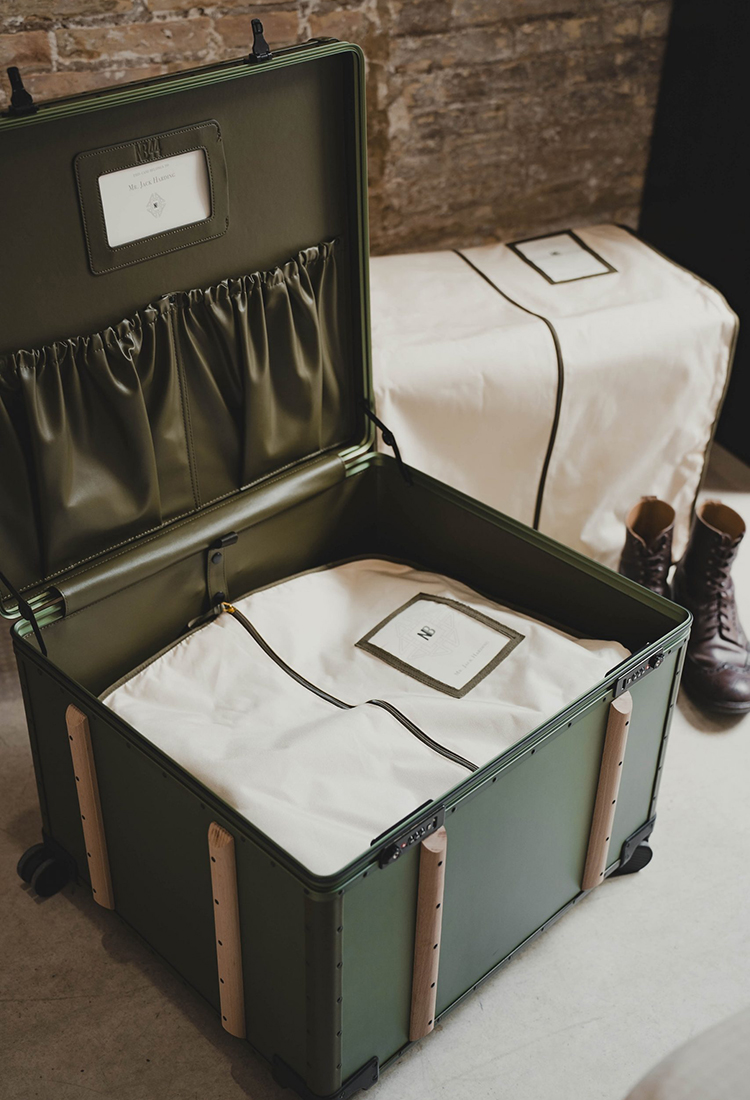
10: NB44’s special delivery: a custom-built trunk packed with a new seasonal wardrobe for the client.
11: Striped Mori Glass tumblers at Abask.

13

SUNNY DIAMONDS: The ubiquity of lab-grown diamonds has had a ripple effect on the fine-jewelry industry: Retailers are seeing rising interest in natural coloured diamonds that stand out among look-alike icy white cultured stones. In-demand hues include warm whites, ambers, and yellows—the last a favourite and a focal point of the new Talk to Me, Harry Winston collection. Among the pieces from this series is a ring highlighting a 5.02-carat, pear-shaped yellow diamond, as well as 26 pear-shaped and round brilliant diamonds, set in 18-karat yellow gold and platinum. The message is clear: in a market flooded with sameness, rarity and uniqueness still rule. —Victoria Gomelsky

14

SPLENDOUR IN SPAIN: In 2025, Four Seasons garnered the most property rankings on the latest World’s 50 Best Hotels list, which also named the company the “most admired hotel group” in the world. A remarkable seven Four Seasons properties were lauded across the full list (with extended rankings 51 to 100), including Four Seasons Hotel Madrid. Opened in 2020 as part of the Centro Canalejas Madrid complex, the hotel stands in the heart of Madrid’s historic city centre—now revitalized with galleries, boutiques, and cafés—and serves as a beacon of the neighbourhood’s transformation. On the seventh-floor roof terrace sits Dani Brasserie, where Michelin-starred dishes by chef Dani García mix Spanish and Andalusian flavours, and visitors and Madrileños alike take in the panoramic views, appreciating the city’s past and present. —Julie Pham

15

KNITTED AND FITTED: Nothing says “quiet luxury” quite like chic knitwear, be it cashmere or a fine merino wool. And few names in the space do knitwear better than N. Peal, established as a men’s haberdashery in London in 1936. In 2025, the brand teamed up with actor and travel-​show host Stanley Tucci for a capsule collection of irresistible pieces, from cashmere quarter-zips and superfine silk-blend polos to cashmere-and-silk bird’s-eye jacquard ties. —Tres Dean

16

THE ARTISANAL DIFFERENCE: In 2018, Johann Rupert, the chairman of Richemont, co-founded the nonprofit Michelangelo Foundation with an express mission: to champion craftsmanship of all kinds. Makers were to be celebrated, and their skills propagated. So, the foundation launched Homo Faber—a pop-up exhibition, held regularly in cities like Venice and Seville, that showcases artisan works. Now, it’s offering an always-on option: a series of handy craftsmanship-oriented guides to different cities on the Homo Faber website. The 11-stop itinerary for Florence, for example, features everything from the perfumer Aquaflor to the workshop of Daniele and Letizia Traversari, fourth-generation mosaic makers with a particular aptitude for portraiture. —M.E.
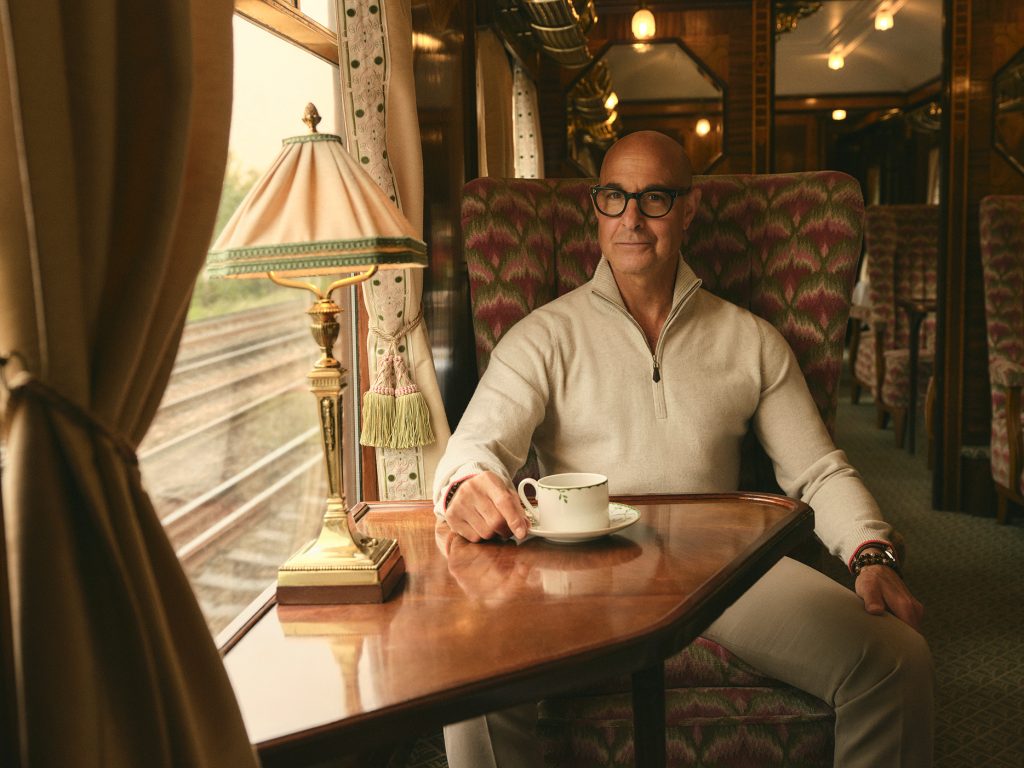
15: Stanley Tucci wearing pieces from his capsule collection for N. Peal.

17

MECHANICAL LEAP: Ahead of 2025’s Watches and Wonders fair in Geneva, speculation about Rolex’s upcoming debut buzzed across social media. When the company officially revealed the Rolex Land-Dweller—its first entirely new model since 2012—the excitement proved justified. The watch features a slim, vintage-inspired case paired with an integrated flat-link bracelet, marking a fresh aesthetic direction. More important, the timepiece holds Rolex’s groundbreaking Dynapulse escapement, a new mechanism that governs the transfer of energy from the mainspring to the hands. Watch insiders have praised the robust and efficient movement as a game-changer precisely because it reaffirms that mechanical innovation can be pushed to new heights. “An accomplishment like this happens every couple hundred years,” says Paul Boutros, the head of watches for the Americas at the auctioneer Phillips. “It’s revolutionary.” —V.G.

18

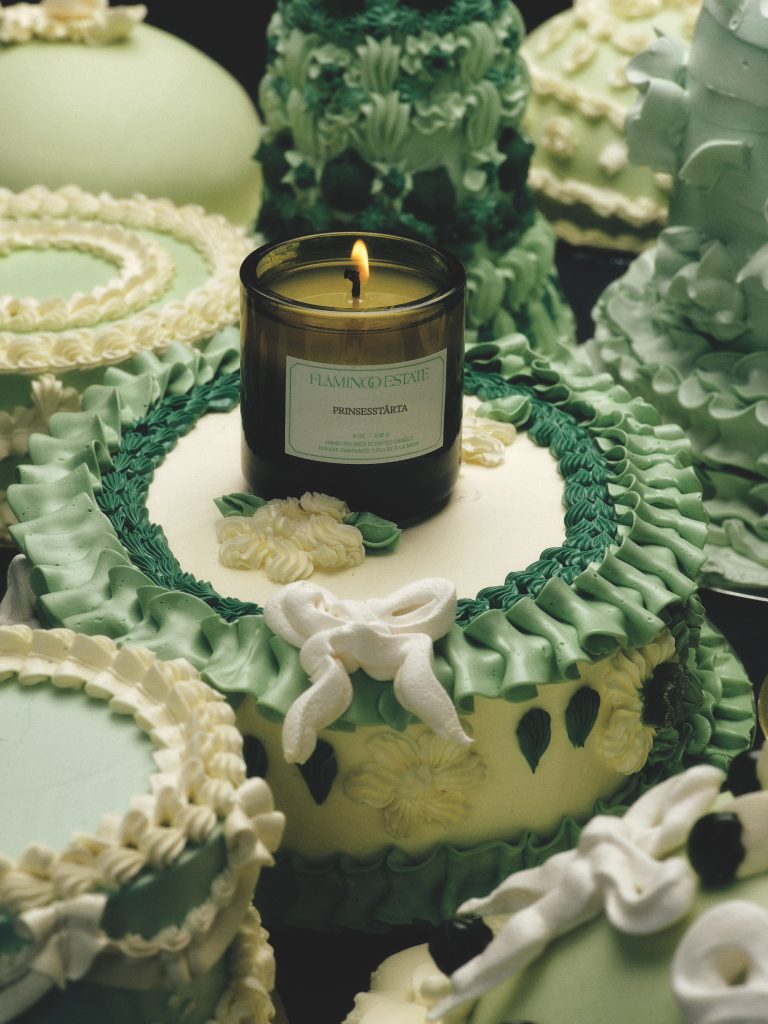
CULTIVATING EDEN: Through his five-year-old lifestyle brand Flamingo Estate, former advertising executive Richard Christiansen has somehow made regenerative agriculture downright glamourous. In 2025, he took it to new heights. Think collaborations with chefs such as Alice Waters and Evan Funke to guest-curate Flamingo Estate’s coveted produce boxes; limited-edition jars of pickles dreamed up with Pamela Anderson; and a steady stream of swoon-worthy skincare, soaps, and standout candles like the decadent Prinsesstårta (pictured below, left), inspired by San Ambroeus’ iconic Principessa cake. Nestled in the hills of Los Angeles, Flamingo Estate crafts everything using organic ingredients grown at more than 140 regenerative farms—proving that sustainability can, in fact, smell amazing. —D.P.

19

PICKED AT THE PEAK: Amid all the tweezer-y ornamentation and pageantry of fine dining, there is ultimately nothing more luxurious than a piece of perfectly ripe fruit. Consider Tomat, a Los Angeles farm-to-table restaurant near LAX, where the most succulent thing on chef Harry Posner’s menu might be a pastel green slice of arava melon, harvested at Weiser Family Farms, that he caps with a few pieces of white strawberry kimchi and droplets of sesame oil. At Ki, in L.A.’s Little Tokyo neighbourhood, chef Ki Kim occasionally winds down his Michelin-starred Korean tasting menu by slicing up a ripe and just-right summer peach and dusting it with lime zest. “When the fruit itself tastes that good,” Kim says, “there’s no need for much else.” —Jeff Gordinier 

20

CARRY THE DAY: Fashion is offering an alternative to the quotidian canvas tote, something a little more luxurious: the leather tote as an everyday carryall. The bag of the moment? Superstar designer Willy Chavarria’s signature, genderless W Tote bearing a bold “W” topstitched across its front and back panels. —T.D.
21

THE NEW GILDED AGE: Gold, if you haven’t noticed, is on a tear. In October, the precious metal’s price topped $4,000 an ounce for the first time. While the rising cost of the material has rattled the fine-jewelry industry, consumers appear undeterred and are leaning even harder into gold despite—or perhaps because of—its soaring value. Pieces of the moment include David Yurman’s 18-karat gold Sculpted Cable bangle bracelet.  —V.G.

22

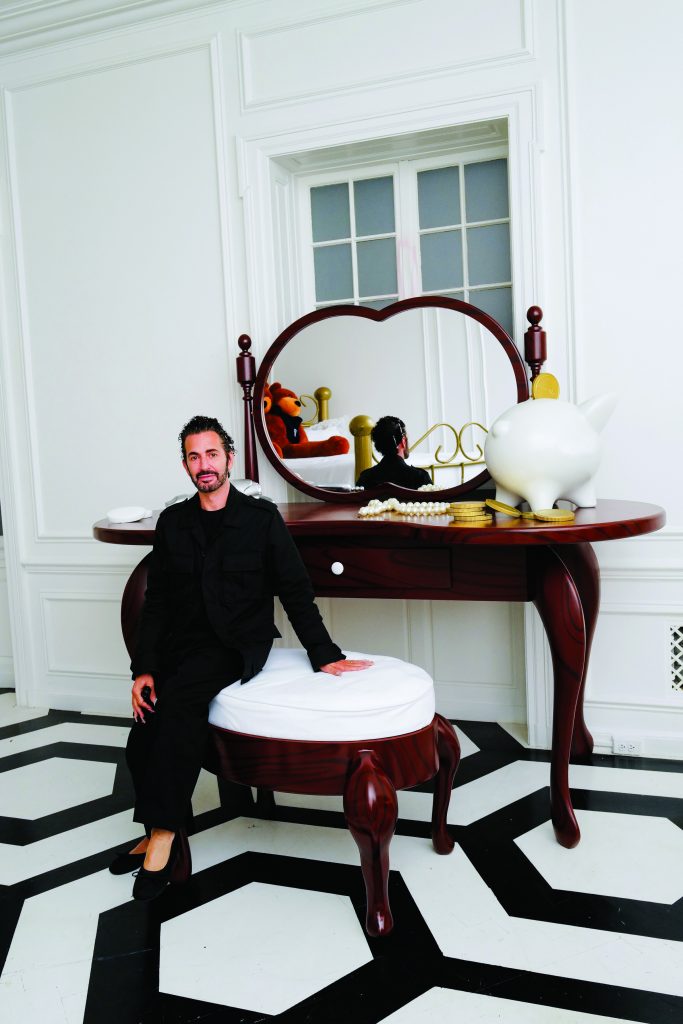
ALL THINGS GREAT AND SMALL: Perhaps Goldilocks was wrong when she settled for that just-right-sized bed. Across design culture today, a rule-breaking focus on playing with proportion is afoot, from the goofily gigantic to the endearingly Lilliputian. In the latter camp, several British makers offer custom miniatures of iconic architecture, from Mulvany & Rogers to Chisel & Mouse, which recently released a mini Thomas Jefferson Memorial to coincide with the 250th anniversary of the United States in 2026. In September, zeitgeist-surfer Marc Jacobs partnered with white-hot artist Anna Weyant for a pop-up installation during New York Fashion Week, where the pair created a life-size, dollhouse-like landscape. Visitors could meander through, enjoying such outré details as an oversize two-headed teddy bear. —M.E.

23

LUMINOUS INNOVATION: Sweet Chemistry and Knesko are redefining skincare with distinct, science-backed approaches. Sweet Chemistry face products feature the brand’s proprietary Matrikynes complex, a mix of bioactive peptides found in upcycled bovine bones, to boost skin density and hydration and reduce fine lines. Meanwhile, GemClinical Technology infuses gemstone particles into Knesko’s decadent treatments to stabilize active ingredients like CoQ10 and vitamin C and to help activate the body’s chakras, or energy centers. The Knesko collection includes the Diamond Radiance Collagen Face Mask, which is used in the signature facial at the Beverly Hills Spa at Beverly Wilshire, A Four Seasons Hotel. —Elycia Rubin

24

EPICUREAN EXCELLENCE: The same year that French haute cuisine was crowned the best in the world at the biennial Bocuse D’Or chef competition (in 2025), two redoubts of haute gastronomie retained their three-Michelin-star rankings: Le Cinq at Four Seasons Hotel George V, Paris, and Caprice at Four Seasons Hotel Hong Kong. At Caprice—a temple of opulence with dazzling Czech crystal chandeliers, a glass catwalk, and stunning views of Victoria Harbour—the central open kitchen is where the culinary magic happens, with chef Guillaume Galliot and team leaning into luxurious ingredients; think blue lobster from Brittany, Alaskan king crab, and Japanese Saga beef. The wine list is extensive, as is the selection of cheeses at Caprice Bar. —Nicola Chilton

25

LIQUID ARTISTRY: In 2025, three establishments at Four Seasons were honoured by the World’s Best 50 Bars list: Virtù at Four Seasons Hotel Tokyo at Otemachi (renowned for the use of Japanese produce with French spirits); Argo at Four Seasons Hotel Hong Kong (noted for its innovative ingredients); and BKK Social Club at Four Seasons Hotel Bangkok at Chao Phraya River, which excels not just because the drinks are outstanding but also thanks to storytelling. BKK Social Club’s latest narrative-driven menu takes inspiration from all things Mexico, with creations like the Frida Kahlo (with Michter’s Bourbon, lavender-infused maple syrup, and coconut) and the Lucha Libre (a Michelada-style highball). “Each drink tells a part of Mexico’s story,” says Philip Bischoff, beverage manager at the Bangkok hotel (which the 2025 World’s 50 Best Hotels list named the second best on the planet). —Vincent Vichit-Vadakan 
The Culture Cut: Art in Unlikely Places

Art isn’t restricted to that which is painted, contained within a frame, and hung on the walls of a grand museum like the MET in New York City or the Louvre in Paris. Art can be an exquisitely designed dress, for instance, and it can be found anywhere—in the desert, on a beach, in an eyeglass shop, even. Here are four new exhibitions of beyond-the-frame art that are on our radar.

Florence, Italy

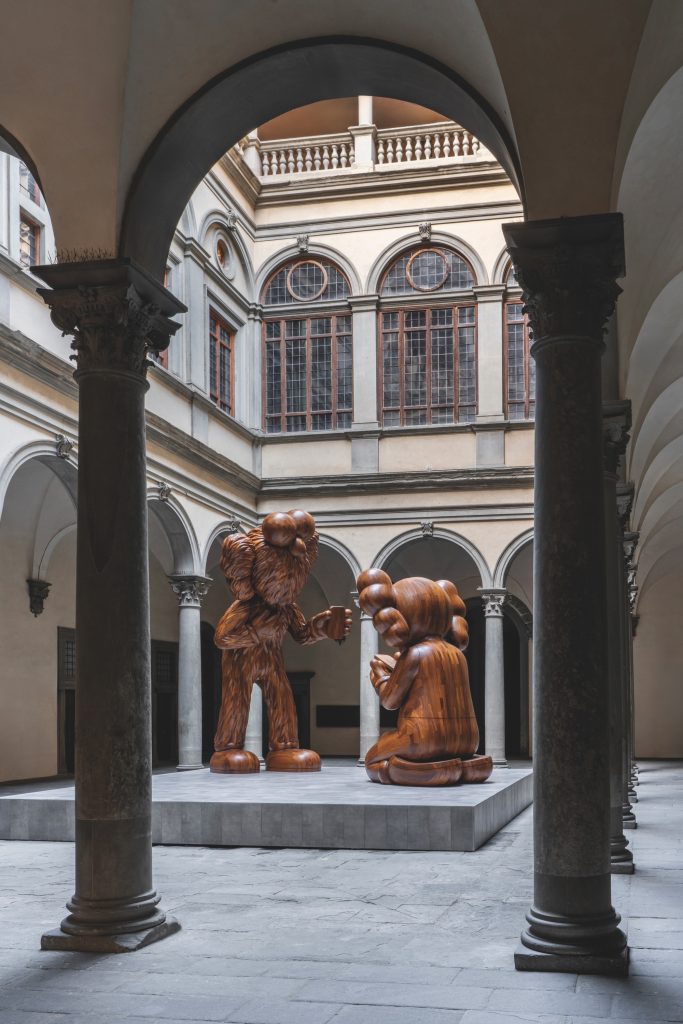
A thoroughly modern interpretation. Photograph by Ela Bialkowska.

Known for his bold, pop-inflected sculptures, the artist KAWS crafted his massive new installation, “The Message,” in warmly burnished wood. The artwork—featuring two nearly 20-foot-tall figures, each of which holds a wooden smartphone—is a modern interpretation of a famous 15th-century fresco, “The Annunciation”, by Fra Angelico. Works by the Italian Renaissance painter, along with KAWS’s sculpture, are on view through January 25, 2026, at Palazzo Strozzi in Florence, Italy, which is home to Four Seasons Hotel Firenze.

Paris, France

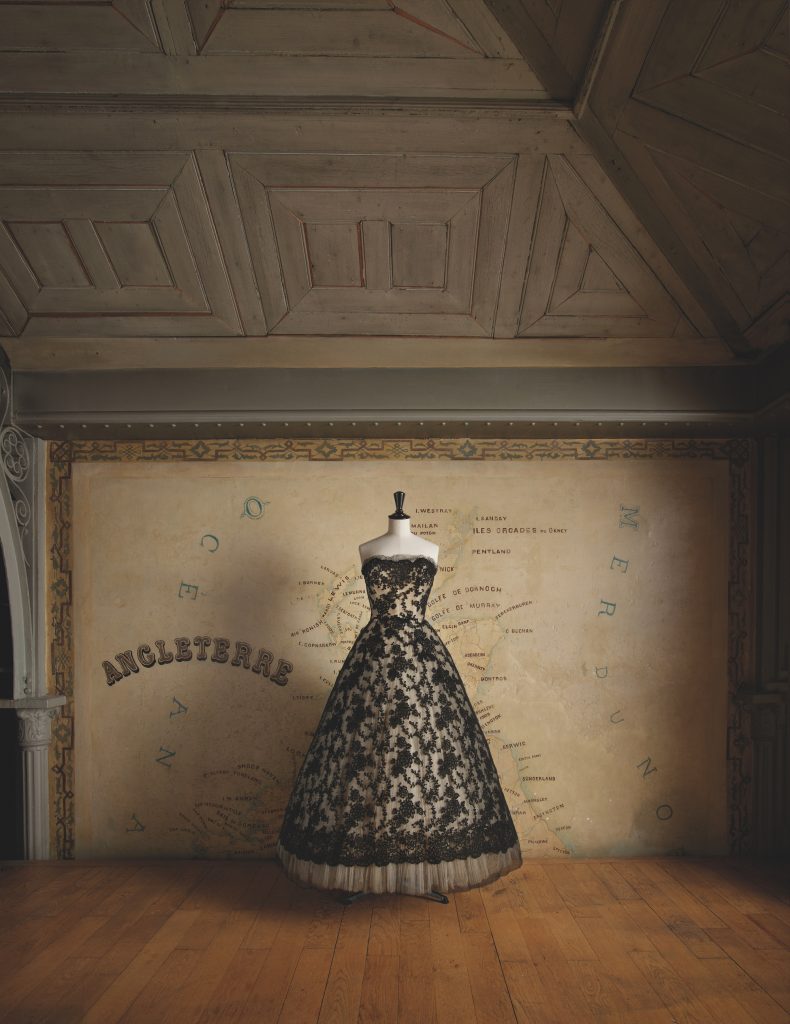
A Christian Dior evening gown from the Fall/Winter 1951 haute couture line.

When he was a young man, in 1956, Azzedine Alaïa spent just four days as an intern at the legendary House of Dior—a fleeting experience that would leave a lasting impression. In time, he would establish his own maison, becoming known as a master of sculptural tailoring. Behind the scenes, Alaïa (who died in 2017) was also a devoted collector of vintage Dior, amassing some 600 pieces. Now his extraordinary personal collection takes center stage in not one but two exhibitions in Paris: a show, at La Galerie Dior spotlighting more than 100 of these rare pieces, and one at the Azzedine Alaïa Foundation, where Dior and Alaïa designs are shown in concert, tracing threads of influence, admiration, and creative kinship. (The former exhibition runs through May 3, 2026; the latter, through May 24, 2026.) For those who won’t be in Paris, Rizzoli and Damiani are publishing catalogues of the exhibits.—Degen Pener

Seoul, South Korea

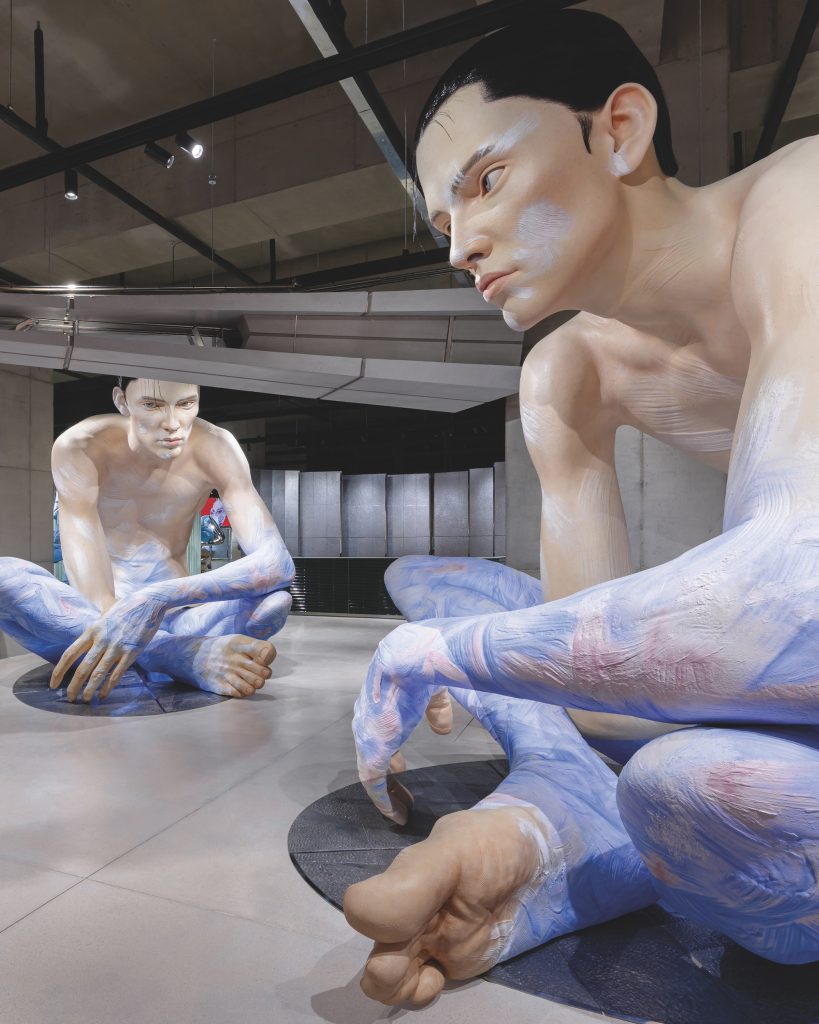
Giant sculptures inside the Gentle Monster store.

Rising above Seoul’s Seongsu-dong neighbourhood, Haus Nowhere has quickly become a cultural pilgrimage site for shoppers seeking the next chapter in retail. Opened in September in a 14-story brutalist building, the store is the fourth experimental retail project from IICombined, the parent company of the luxury eyewear brand Gentle Monster. Yes, it sells products, including sunglasses; caps and beanies from Gentle Monster sister brand Atiissu; fragrances by Tamburins; and tableware from Nuflaat. More than anything, though, it’s an unforgettable sensory experience, complete with a colour-saturated teahouse and a rotating roster of art installations, like two painted humanoid giants sitting in meditation (above) and a gargantuan dachshund napping on the floor. It’s a concept store gone supersized.—Julie Pham

Naples, Florida

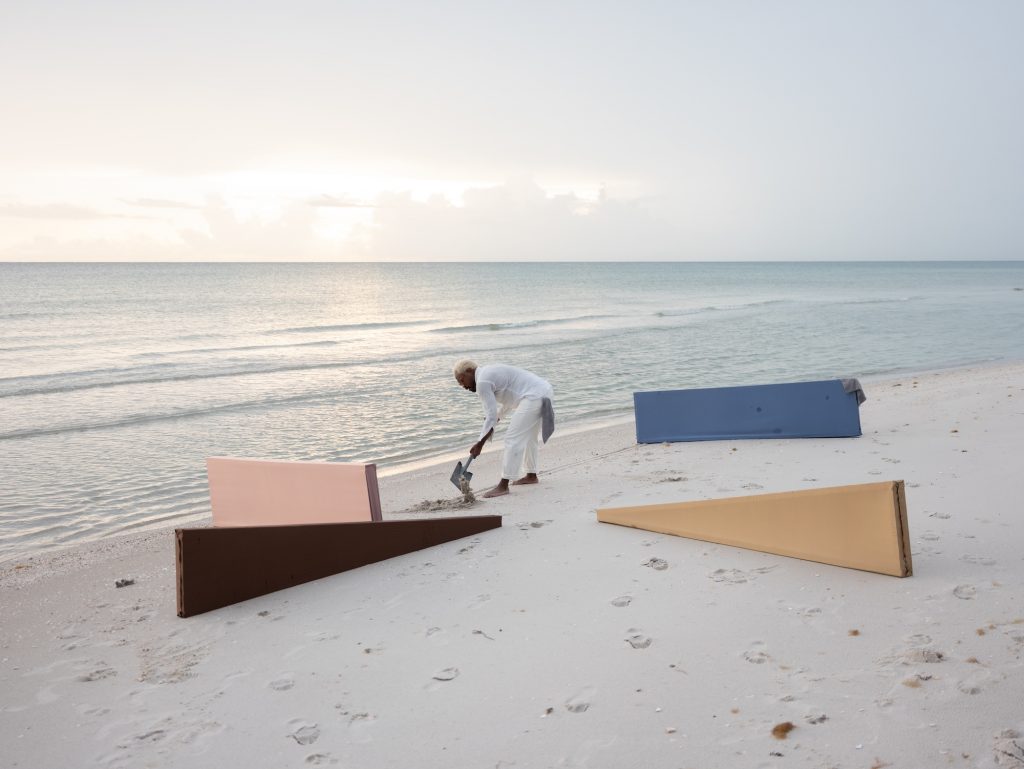
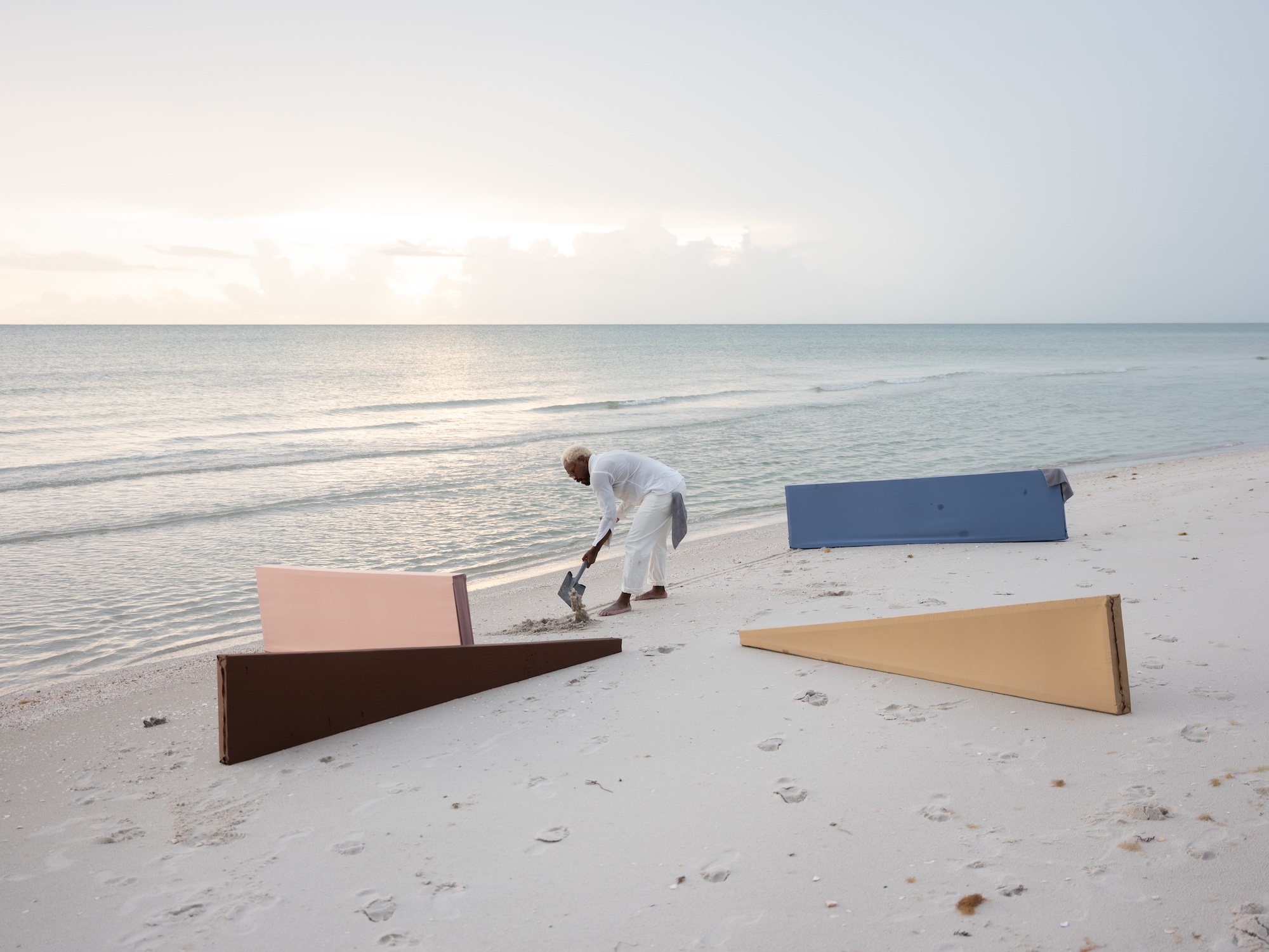
Artist James Perkins at work. Photograph by Leila Brewster.

“I’m blurring the line between what is man-made and what is made by nature,” says James Perkins (pictured above). The New York–based artist’s practice involves burying silk-covered wood frames and letting the pieces absorb the effects of sun, surf, rain, and earth. Last year year, he buried some of his latest works in Naples, Florida, home of the new Naples Beach Club, A Four Seasons Resort. Perkins is also the subject of his first museum show, Burying Painting, which runs through February 15, 2026, at the Scottsdale Museum of Contemporary Art.

Milan’s Global Moment

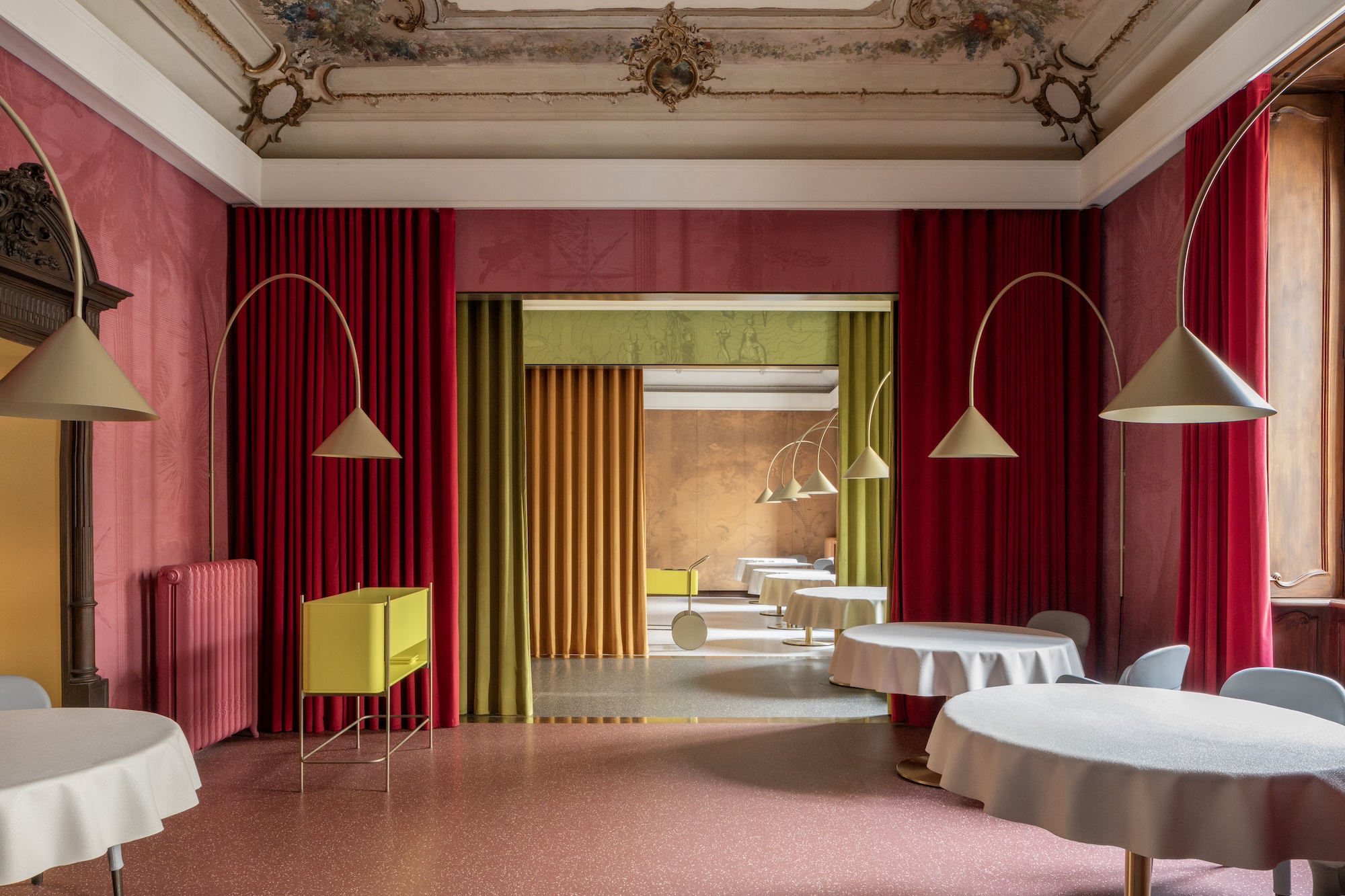
On the rooftop of La DoubleJ’s new headquarters in Milan’s Navigli district—a buzzy neighbourhood where restaurants spill onto canals—sits an unexpected oasis: a gong temple, complete with workout mats, meditation cushions, and a wall of bronze gongs. The glass-walled room, which overlooks the city’s old terra-​cotta rooftops, is a community space accessible to anyone who signs up for yoga, meditation, and sound baths. “Twenty years ago, nobody would have come to a wellness space on top of my office,” says J.J. Martin, founder of La DoubleJ, the maximalist fashion and homeware brand known for its bold printed dresses and sets.  

When the magazine editor turned designer first moved to Milan from the United States 25 years ago, no one she knew there was doing breathwork, let alone practicing yoga. Now La DoubleJ’s classes are packed. “We’ve got a full house,” she says. This rooftop wellness space captures a new wave rippling through Italy’s second-largest city. The metropolis’s cultural tone is shifting as more foreigners are lured there due to great quality of life, as well as a flat tax system. “Everywhere I go—whether it’s New York, London, Palm Beach—I’m hearing about the mass exodus to Milan for tax purposes,” says Martin, adding that this influx has fueled a surge in local property values and rentals. For high-net-worth individuals, Italy’s offer for new residents to pay a fixed annual levy of €200,000 on all foreign‑sourced income is a huge draw. Money is flooding in. Last year, Milan’s Via Monte Napoleone became the priciest shopping street in the world, overtaking New York City’s Fifth Avenue and boasting a new Tiffany & Co., the brand’s largest European flagship. 

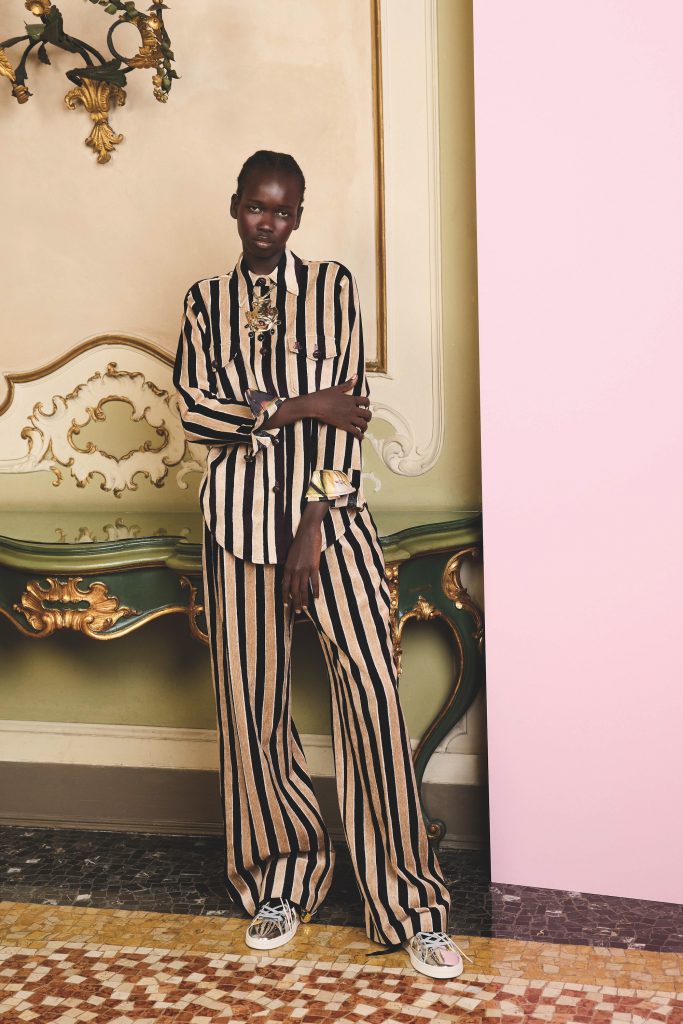
La Double J
La DoubleJ velvet jacquard jacket and pants from the fall 2025 collection, presented at Milan’s Palazzo Visconti in February.  
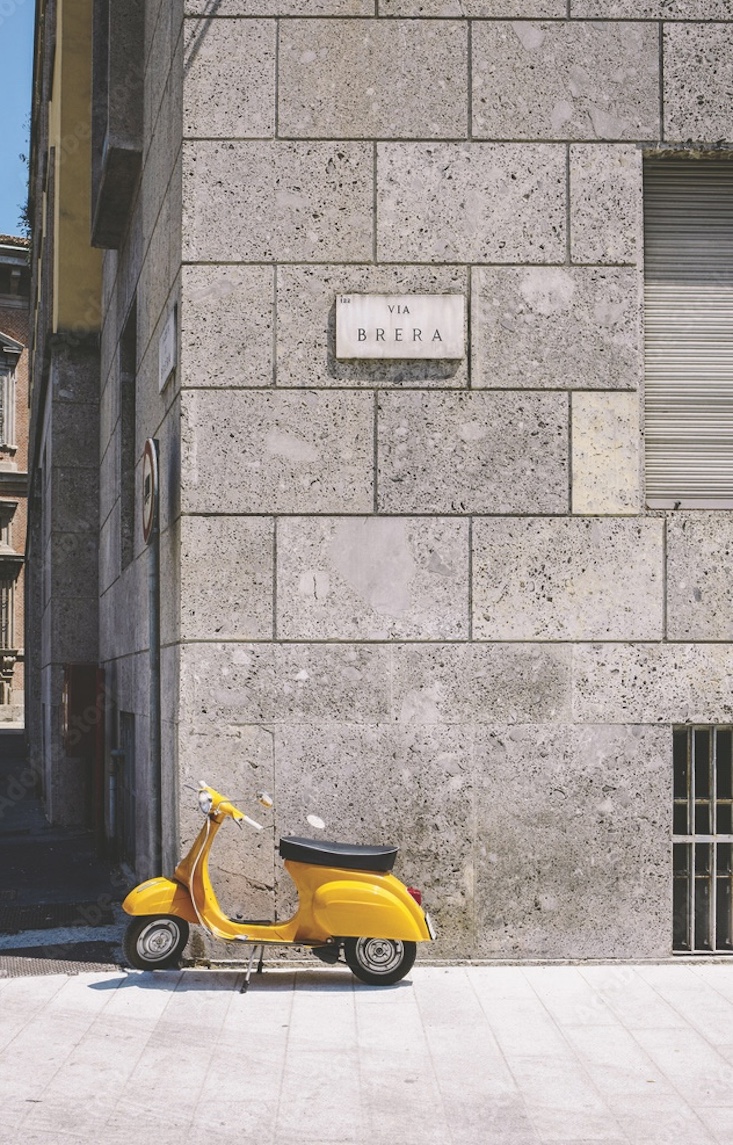
La Brera Milan
Milan’s Brera district. Photograph by Paperclip Images / Stocksy / Adobe Stock.

For many creatives, the attraction lies in the city and culture itself. While celebrated as Italy’s fashion and design capital, Milan has long carried a reputation as the country’s grittier, more industrial city—not as ornate as Florence or as historically cinematic as Rome. Indeed, Milan’s architecture showcases a striking duality—case in point, the Duomo, with its intricate marble façade, and the Galleria Vittorio Emanuele II arcade, with its glass-and-steel canopy, located not far from converted factories and warehouses. Yet its beauty lies precisely in its subtlety. As David Raffoul, the Paris-born, Beirut-raised co‑founder of design studio David/Nicolas, puts it, “The beauty of Milan is that it’s not an obvious city.” 

In Milan, heritage isn’t just preserved; it’s celebrated. “Out of all the European countries, Italy is the one that stays quite [connected] to its heritage,” says the Norwegian art advisor and curator Truls Blaasmo, who moved to Milan four years ago and whose clients include Gucci. “The Italians are so true to their history.” For him, Italy’s legacy of tradition and design made the move irresistible. “What’s key in the history and heritage of the city is manufacturing, whether it’s cars or furniture.” For many designers and artists, proximity to top-tier artisans—both in Milan and close by elsewhere in Italy—is extremely appealing. “In terms of production and artisans, they are the best,” says Raffoul, who made Milan his permanent base in 2020. “You can go to Veneto, anywhere, and you will find great artisans.” 

FS Milan
The newly renovated Renaissance Suite, designed by Pierre-Yves Rochon, at Four Seasons Hotel Milan.  

Some 20 percent of Milanese residents today are foreign-born, making the city one of the most diverse hubs in the country.

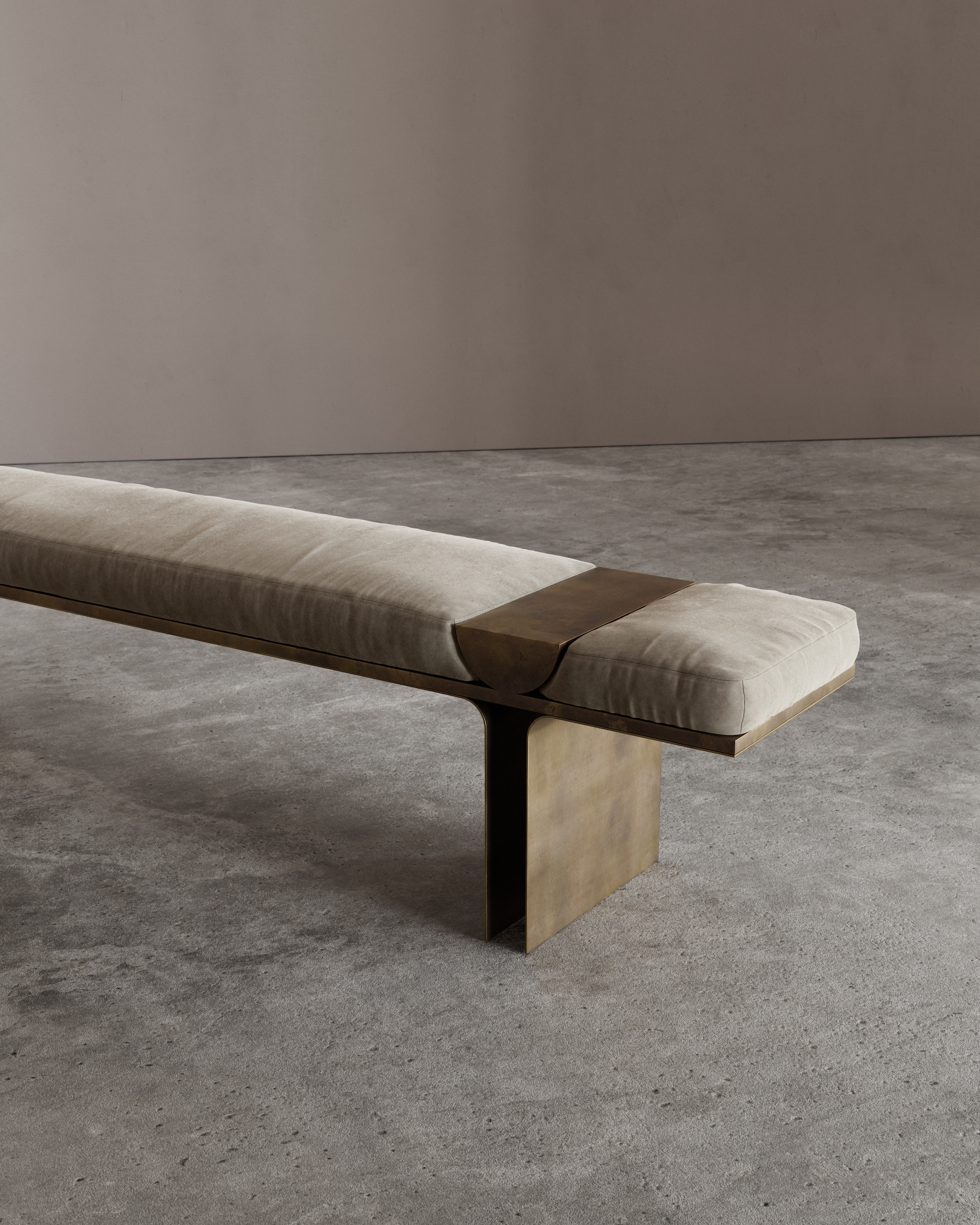
Some 20 percent of Milanese residents today are foreign-born, making the city one of the most diverse hubs in the country. For furniture designers Francis Rudman and Azamit, the married co-founders of Hintsa Rudman, relocating from Montreal to Milan offered an opportunity to start something new. After visiting the city over the years to attend the design fair Salone del Mobile, they finally made the leap two years ago and launched their furniture brand, which uses bronze, brass, and wood to create heritage-​inspired contemporary benches and tables. “It just clicked,” says Azamit. “All the ateliers and manufacturers are so close.” The duo is preparing to debut a collection inspired by their move to Italy. 

Similarly, the U.S.-born clothing designer Brett Johnson, who shows during Milan Fashion Week, has found the city alluring for its artisanal access. “The best trade fairs for fabrics and leathers are in Milan,” says Johnson, who is known for his sharp tailoring. “I discover all the latest offerings there.” Although he splits his time between Milan and Virginia, Johnson maintains a strong presence in the Italian metropolis. He has a showroom on Via Manzoni, near Brera, the upscale neighbourhood that is home to the Brera Academy of Fine Arts and such chic boutiques as the Venetian shoe brand ViBi Venezia and the perfume bar Olfattorio. Other designers who now call Milan their creative base include Japanese-born Satoshi Kuwata, founder of the label Setchu, and Istanbul-​raised Umit Benan, who recently opened his first store on Via Bigli. 

For many, moving to Milan also means enhancing their quality of life. Ambra Medda, co‑founder of Design Miami and the design consultancy AMO, made the move from London to Milan with her husband, designer Edward Barber (of Barber Osgerby), in part to give their children “a slice of Italian culture,” she explains. Although Barber still splits his time between London and Milan, Medda—who was born in Greece and has lived in New York and Miami—wanted her kids to grow up learning Italian. “Living in Italy is so replenishing,” Medda says. Rather than being stuck in a car all day in London, she now bikes or walks through the city with ease. 

Formafantasma’s SuperWire modular lighting system.
A bench from Hintsa Rudman’s Hiwot collection. 

It’s not just foreigners flocking to Milan; Italian creatives are reclaiming the city, too. Born in southern Italy, fashion designer Francesco Murano first moved to Milan in 2016 to study fashion. “It’s the only metropolitan city in Italy at the moment,” says Murano, who is a finalist for the prestigious LVMH Prize. He launched his brand in 2021 and made his Milan Fashion Week debut in February 2025. In recent years, he has seen more emerging brands rising. “If you want to do this kind of work and be close to trends, you have to stay in Milan.” 

And then there are the Italians returning home. Andrea Trimarchi, co‑founder of the research-focused studio Formafantasma, spent two decades abroad, launching the studio in the Netherlands after studying in Florence, before moving back. “We were missing sun, food, and friends,” he says. At the time he left, Milan’s design scene was tightly controlled by an older generation. “There was no space for the younger generation to flourish,” Trimarchi recalls. Now that’s changing. “A lot of Italian people moved abroad and in the last few years have decided to come back and establish studios similar to ours,” he says, noting that Formafantasma moved its studio into an irresistible warehouse space.  

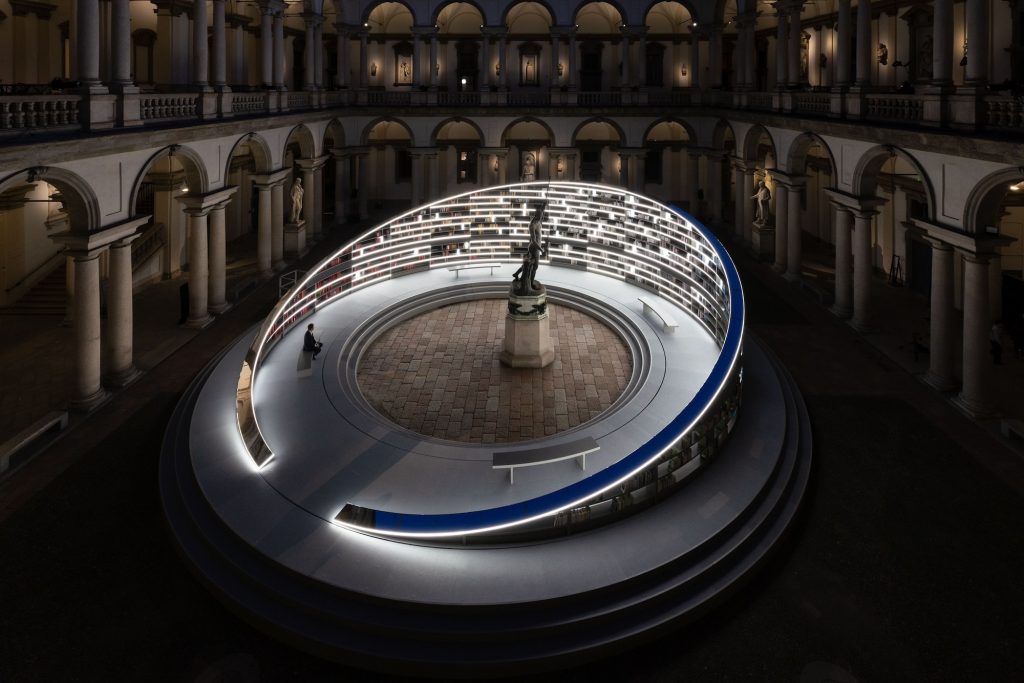
British artist and stage designer Es Devlin’s kinetic installation Library of Light, presented at Pinacoteca di Brera during Salone del Mobile 2025. Photograph by Monica Spezia.

Throughout its history, Milan has been welcoming of immigrants. “It’s always been receptive to foreigners,” says Trimarchi. “It’s the richest region in Italy and biggest producer of design and fashion, so there’s a lot of work there.” Recent years have seen this openness accelerate, spurred by events like Expo 2015 and Salone del Mobile, the annual design fair that has begun attracting major brands, such as Gucci, Prada, and Loewe, presenting immersive installations. Looking ahead, the Milano Cortina Winter Olympics, running February 6 to 22, 2026, will further cement the city’s global influence. Milan, the co-host of the games, will be the site of figure skating, speed skating, hockey, and the opening ceremony. 

Milan has long had an impressive dining scene and currently boasts 18 Michelin-starred restaurants, such as the avant-garde Contraste (which recently underwent a stunning, multihued redesign) and Enrico Bartolini al Mudec, the city’s sole three-star establishment. Trimarchi notes, though, that the food scene has shifted; it now offers Mexican, Indian, and Japanese cuisines, which was unheard of in the past. “There is a much more diverse culinary environment,” he says. Natural-wine bars, such as Nico and Flor, are crowded with patrons sipping glasses of orange wine. “When I first moved here, there was zero international food. You could only get Italian, and it was either at a restaurant or homemade, no takeout or delivery,” says Martin, adding that there are now “even a few vegan and gluten-free spots.” 

But for all its changes, Milan retains a timeless essence. Step into Marchesi 1824, a historic café where locals enjoy espressos and pastries at the bar, or A Santa Lucia, a no-frills restaurant where the walls are crowded with vintage photographs and tables are dressed in stark white tablecloths. Beloved establishments remain staples. Raffoul swears by the club sandwich at Four Seasons Hotel Milan, where the suites and rooms were recently remade by the illustrious French designer Pierre-Yves Rochon with velvet couches and sienna-hued wall coverings inspired by the cloister’s frescoes.  

And while Martin is pleased that people want to dabble in sound baths, she is also glad that the city is still rooted in its many traditions. That is, after all, part of what drew her to Milan in the first place. “When I first arrived, Milanese fashion was like out of a movie—the women in kitten heels and the men in their Brioni suits,” she says. As globalism has spread, the street style has adapted, but Martin says, “you still have that innate sense of individuality and style that I think is built into the DNA of the Italians.” The city might be transforming, but some things, such as a well-made espresso, remain beautifully the same. “You still can’t get French food here,” she notes. “Some things don’t change.”   

Icons In the Spotlight: Luis Barragán, Giorgio Armani, and Other Legends Get Their Dues  

Ever wonder how filmmaker Wes Anderson pulls off his fabulously meticulous set designs? Curious to see architect Luis Barragán’s boldly painted residences in person? Looking for insight into David Bowie’s creative process? These new retrospectives, archives, and exhibitions offer ample opportunities to do a deep dive into what it means to be an artist. 

London 

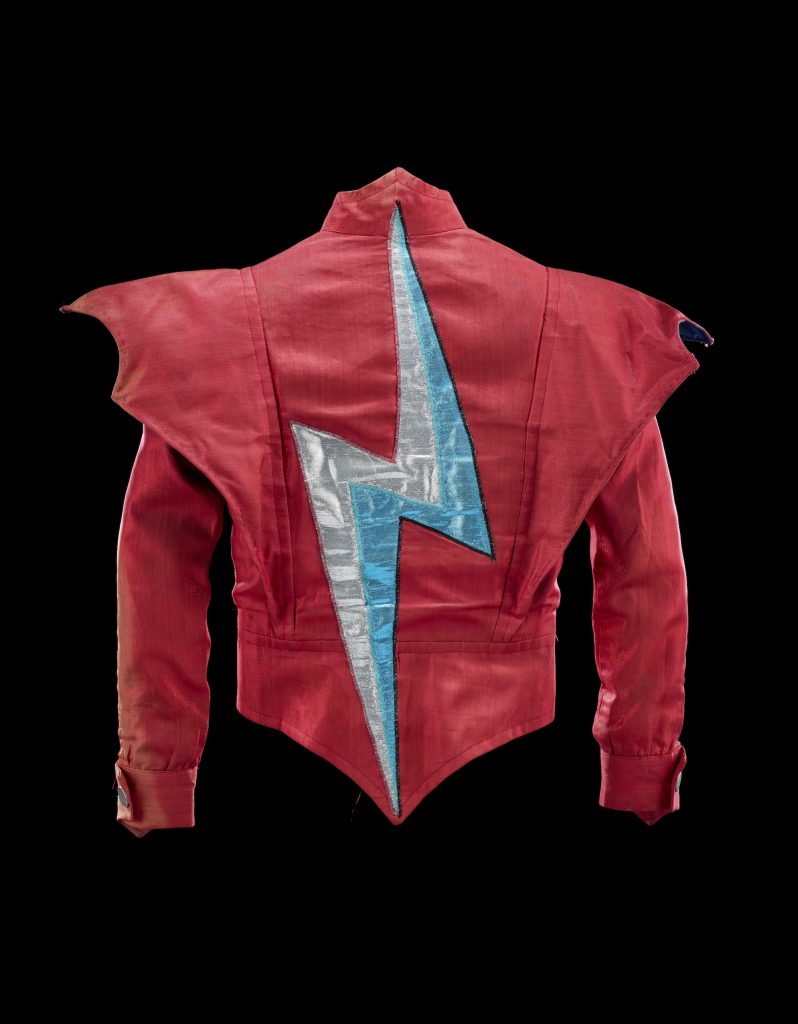
Aladdin Sane Jacket, Designed by Freddie Burretti for David Bowie, 1973, Photo courtesy of V&A Museum
Aladdin Sane jacket designed by Freddie Burretti for David Bowie. Photograph courtesy of V&A Museum.

Located inside the new V&A East Storehouse, the David Bowie Centre is now the permanent home of the iconoclastic singer’s archive, comprising more than 90,000 item—from his own desk to lyrics, diaries, costumes, and musical instruments. “Balancing storage with stagecraft, the centre is an intimate space to explore Bowei’s life, work and legacy, offering a deeply personal insight into Bowie’s world,” says lead curator Madeleine Haddon. Visitors can even make appointments to view items that are in storage through the museum’s innovative “Order an Object” service. 

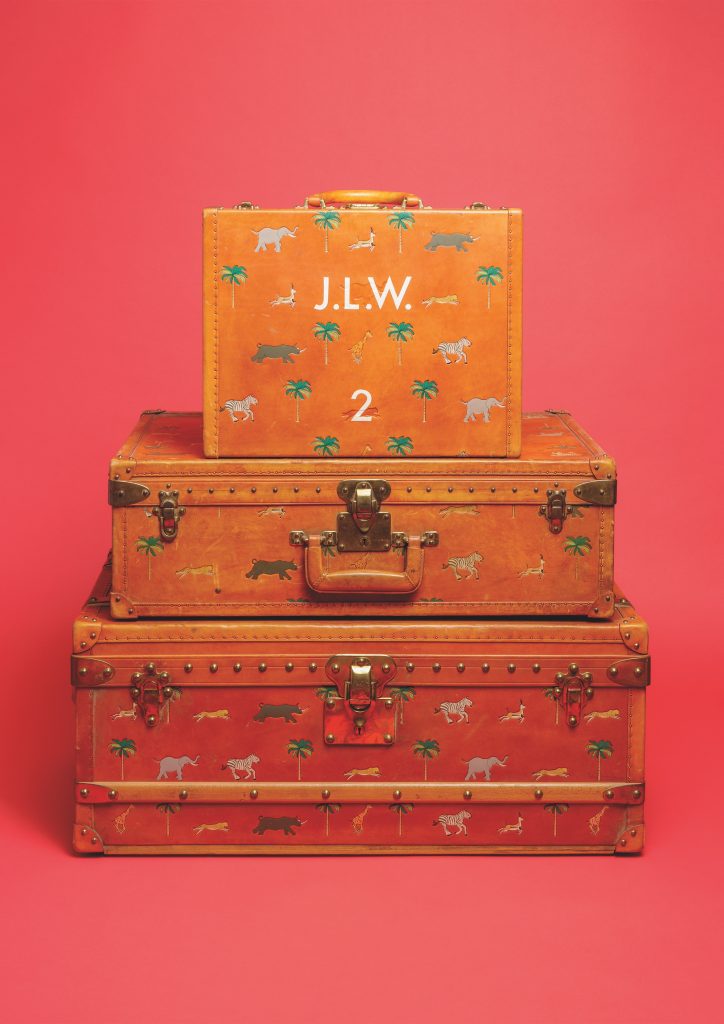
Francois Voltaire Suitcases for Whitman Brothers Designed by Marc Jacobs for Louis Vuitton; Wildlife Art Designed by Eric Chase Anderson. THE DARJEELING LIMITED. Photo Roger Do Minh. © the Design Museum
Francois Voltaire suitcases for Darjeeling Limited designed by Marc Jacobs for Louis Vuitton; wildlife art designed by Eric Chase Anderson. Photograph by Roger Do Minh.

Opening November 21 and running through July 26, 2026, at the Design Museum, Wes Anderson: The Archives is the first major museum exhibition focused on the work of visionary director Wes Anderson. Featuring handwritten notebooks, storyboards, costumes, and props—such as suitcases from The Darjeeling Limited—the show builds on the exhibit’s debut at La Cinemathèque Francaise with more than 100 additional objects on view. The Design Museum is just a mile from Four Seasons Hotel London at Park Lane

Mexico City 

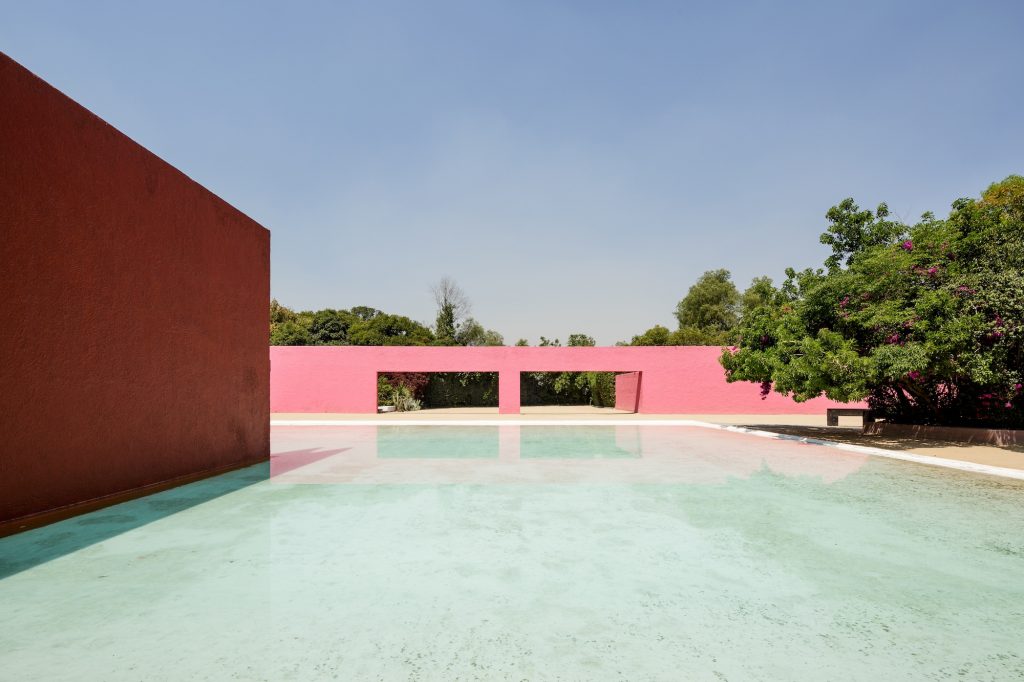
La Cuadra San Cristobal, Luis Barragan
La Cuadra San Cristóbal. Photograph by Yannik Wegner, courtesy of Fundación Fernando Romero.

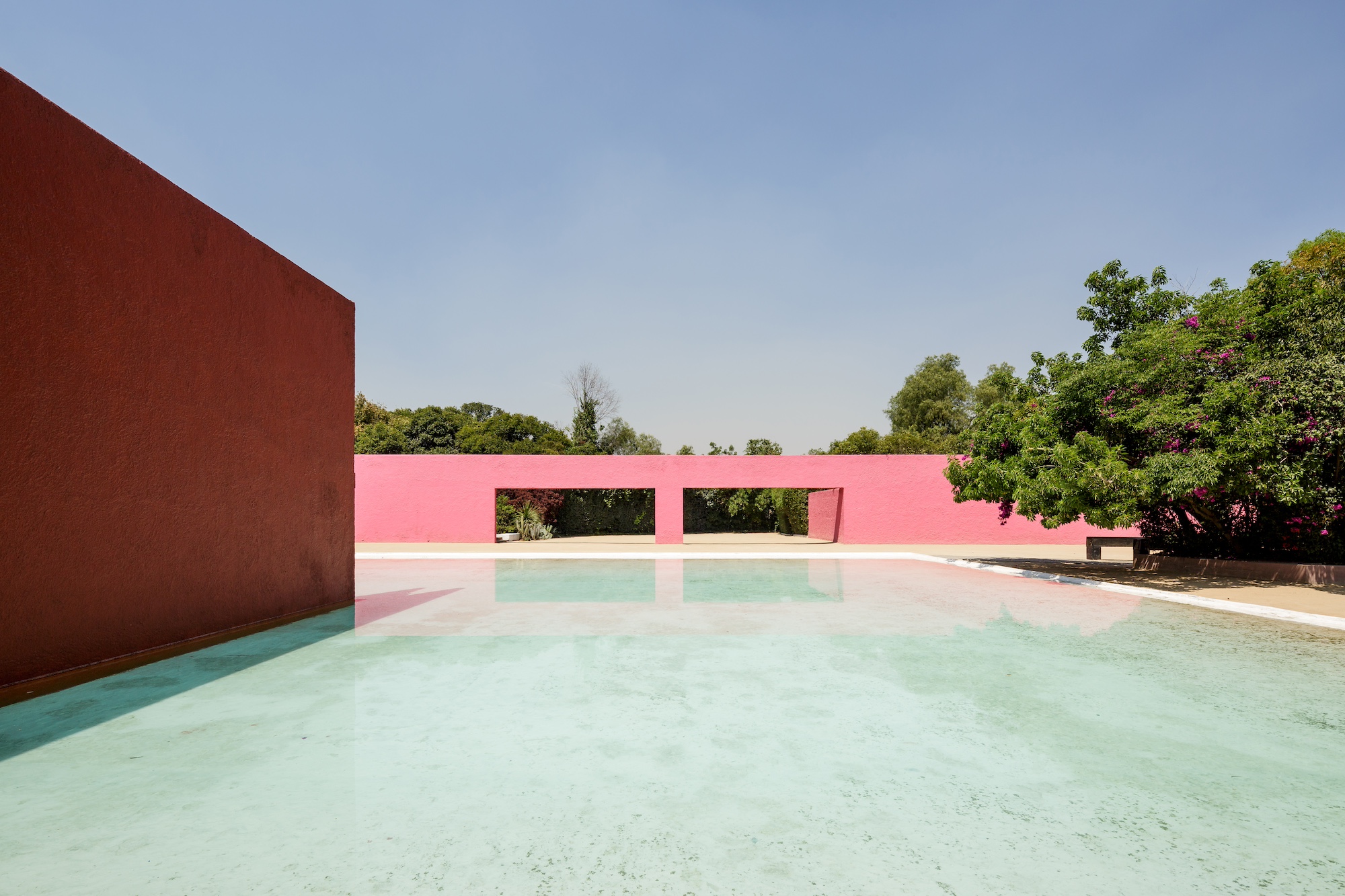
One of legendary Mexican architect Luis Barragán’s most striking residential designs—La Cuadra San Cristóbal, a study in bright colour blocking, located on the outskirts of Mexico City—is set to open to the public later this year as part of a 10-year plan to transform it into a cultural centre. In town, Four Seasons Hotel Mexico City has embarked on a phased renovation by Mexican designer Bibiana Huber that will include a vibrant redesign of all its guest rooms and suites. 

Milan

Giorgio Armani Prive 2005-2025, Photo by Delfino Sisto Legnani
From Giorgio Armani Privé 2005-2025. Photograph by Delfino Sisto Legnani.

Iconic designer Giorgio Armani, who died in September at age 91, is the subject of dual anniversary exhibitions in the fashion capital. Running through December 28 at the brand’s Armani/Silos space, Giorgio Armani Prive: 2005-2025 celebrates his two decades in haute couture with a showcase of more than 150 looks, including dresses worn by Michelle Yeoh, Cate Blanchett, and Demi Moore. A second show of his exquisite designs, at the Pinacoteca di Brera (a short walk from Four Seasons Hotel Milan), marks 50 years since the brand’s founding in 1975.  

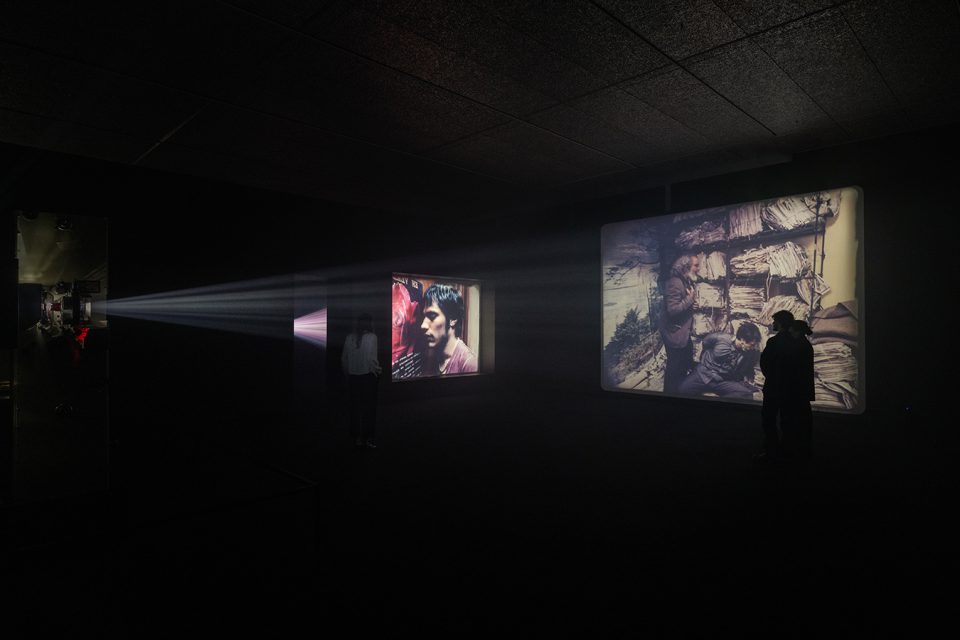
Fondazione Prada Sueno Perro
From Sueño Perro. Photograph courtesy of Fondazione Prada.

At Fondazione Prada, from September 18 to February 26, 2026, Oscar-winning director Alejandro G. Iñárritu presents Sueño Perro. The multisensory exhibition will reveal never-before-seen footage from his debut feature Amores Perros, released 25 years ago. 

Paris

Gautier DeBlonde at Palais Galliera
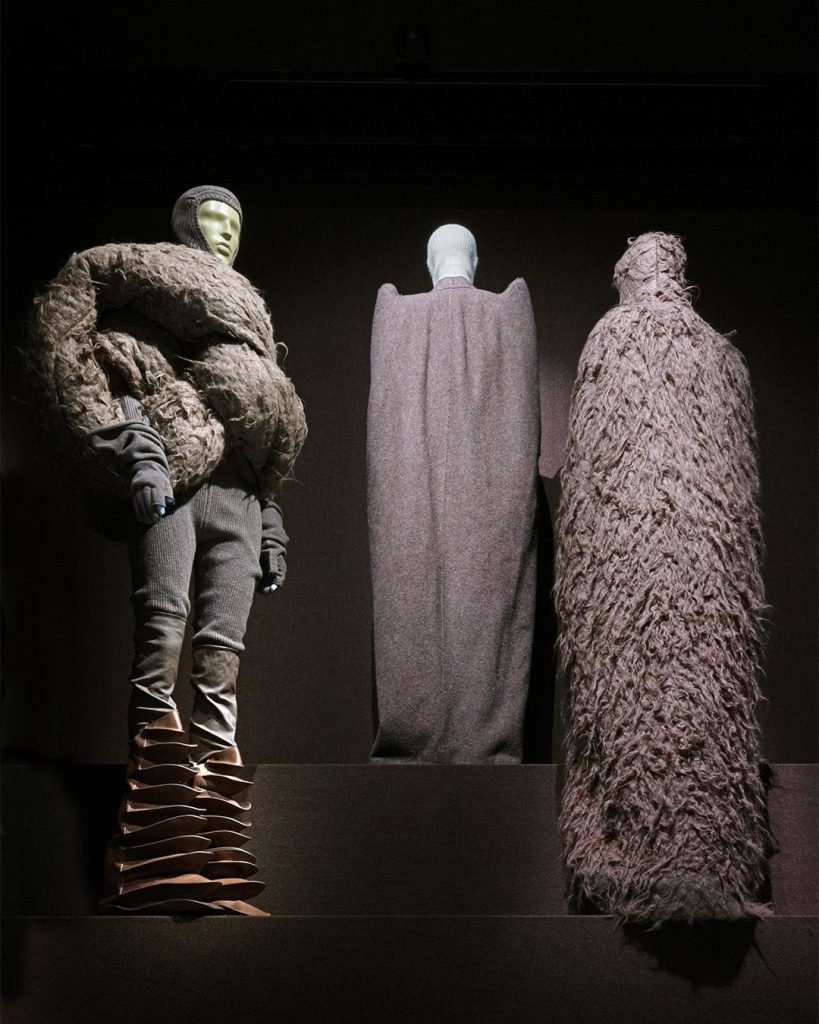
From Rick Owens: The Temple of Love. Photograph courtesy of OWENSCORP.

Known as the high priest of fashion’s avant-garde, Rick Owens is the subject of a stunning retrospective, Rick Owens: The Temple of Love at the Palais Galliera through January 4, 2026. The California-born, Paris-based designer, who is the exhibition’s artistic director, even extended his vision to the building of the façade, draping enormous statues in sequined fabric. Just a few blocks away is Four Seasons Hotel George V. Paris, which, in collaboration with French interior designer Pierre-Yves Rochon, has just completed a three-year renovation of its 243 guest accommodations, giving each space the feel of a Parisian pied-à-terre. 

La Maison du Pastel: A Centuries-Old Color Conjurer

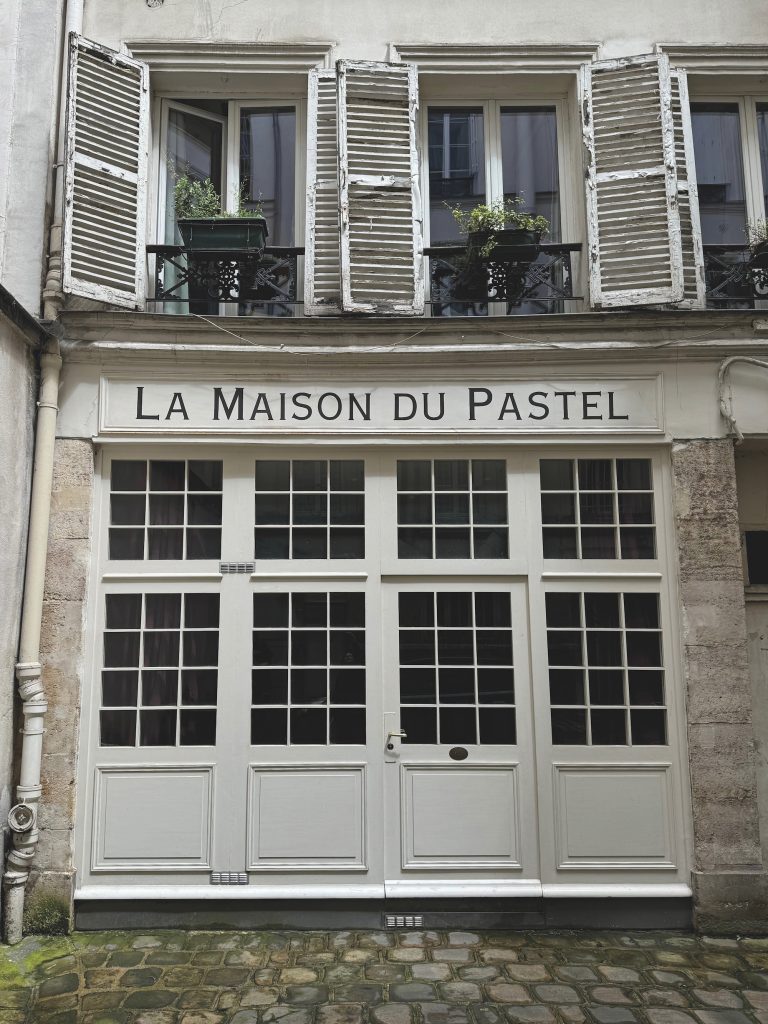
Tucked away in Paris’s 3rd arrondissement is a sanctum of colour. There, Isabelle Roché and Margaret Zayer, the chatelaines of La Maison du Pastel, serve the business’s devoted patrons with the kind of rare attention that only the stewards of a 300-year-old house can provide.  

La Maison du Pastel
The modest storefront.

Over the centuries, pastelists have shared their colour wish lists with the proprietors, who’ve scribbled notes about each request and spent years, if not decades, honing the tonal hues. In the late 19th century, chemist Henri Roché acquired the house and perfected formulas for binding powdery pigments in sticks of lightfast, luminous colour. He consulted such artists as Edgar Degas, who sketched pink-toned ballerinas in fluid poses, their fans and costumes lit with yellow and blue, and James McNeill Whistler, who touched his drawing of windows over a narrow Venice canal with aqua, crimson, and olive.  

Maison du Pastel
The hand-made pastels have a cult following among artists, designers, and other creatives. Photograph by Margaret Zayer/Maison du Pastel.

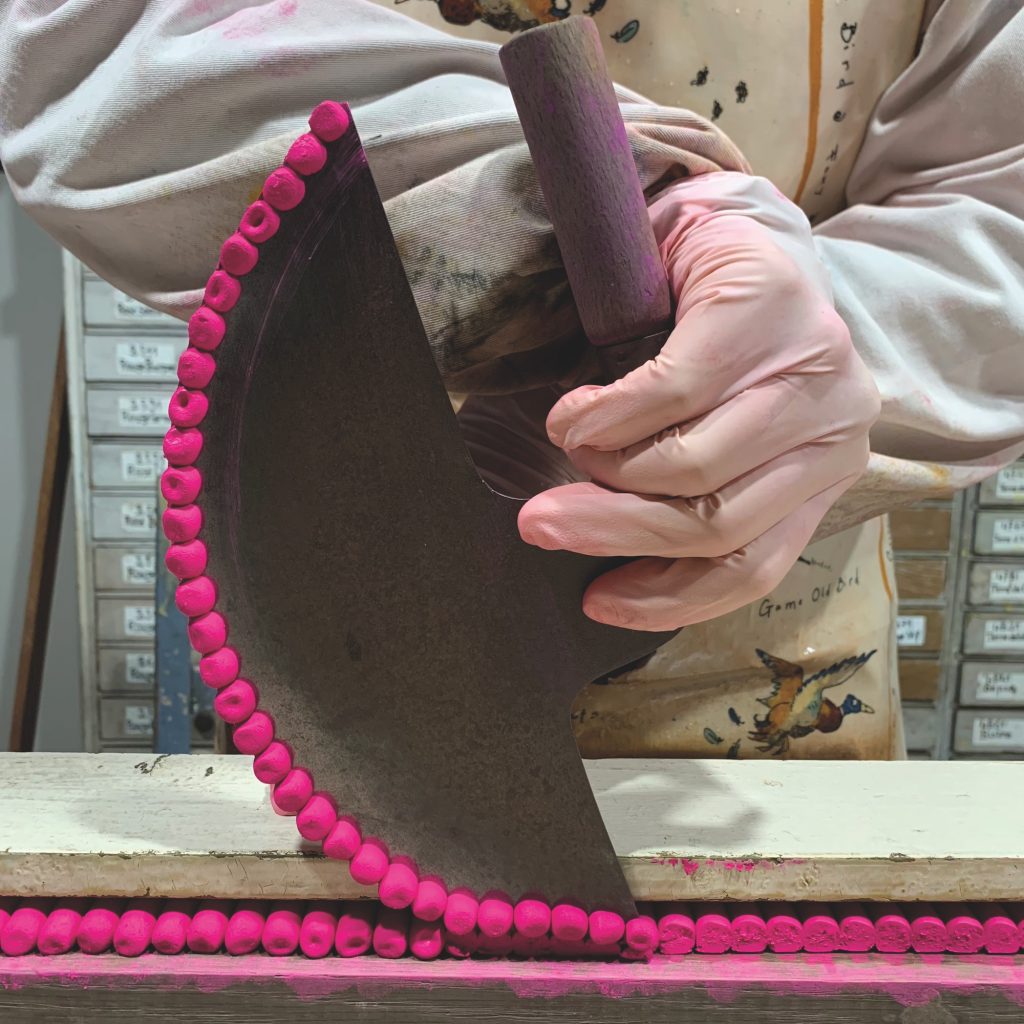
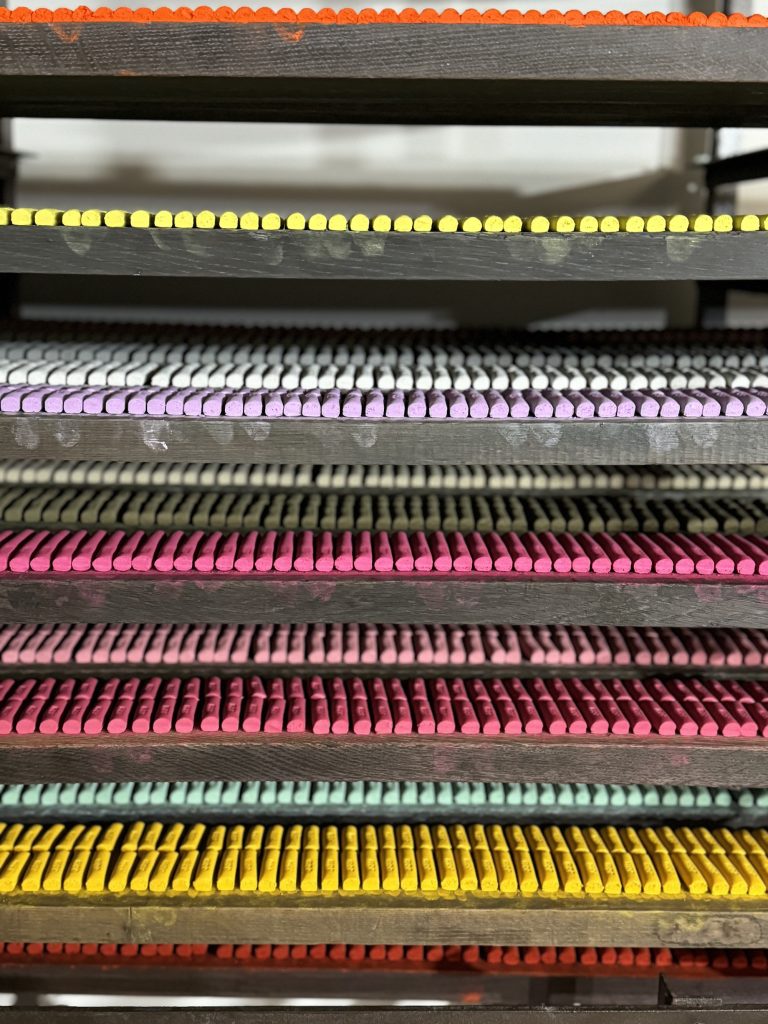
When Isabelle Roché, a distant relative of Henri’s, took over the business 25 years ago, she inherited its legacy of craft. She set about reviving the house, sifting through vintage pigments and papers to learn pastel-making, which involves turning taffy-like batter into small batches of hand-rolled sticks.  

Fifteen years ago, Zayer joined the maison as an intern and went on to oversee colour formulation. The two come to Paris once a week from their atelier in the countryside to open their shop on Thursday afternoons for just four hours.  

Maison du Pastel
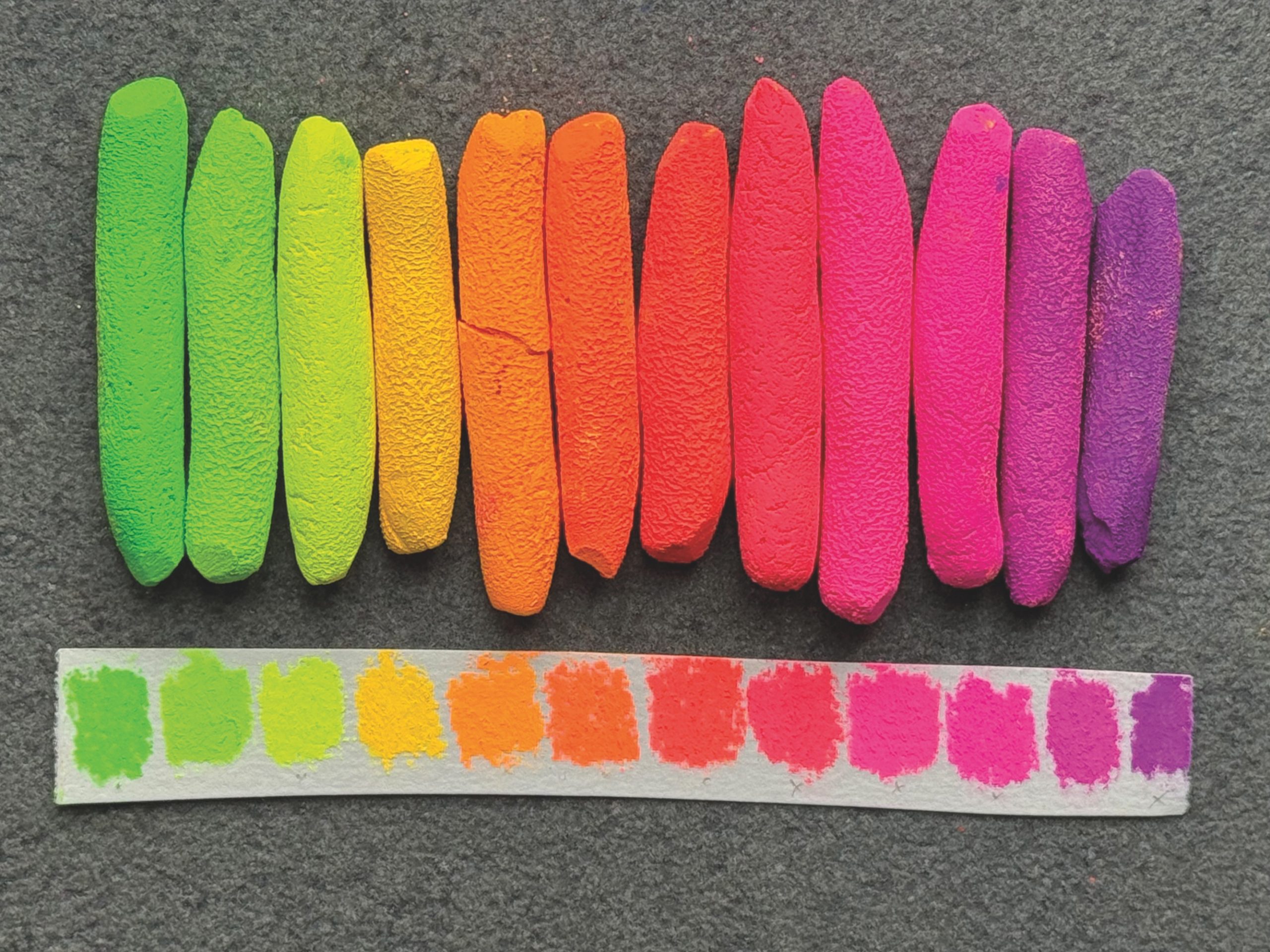
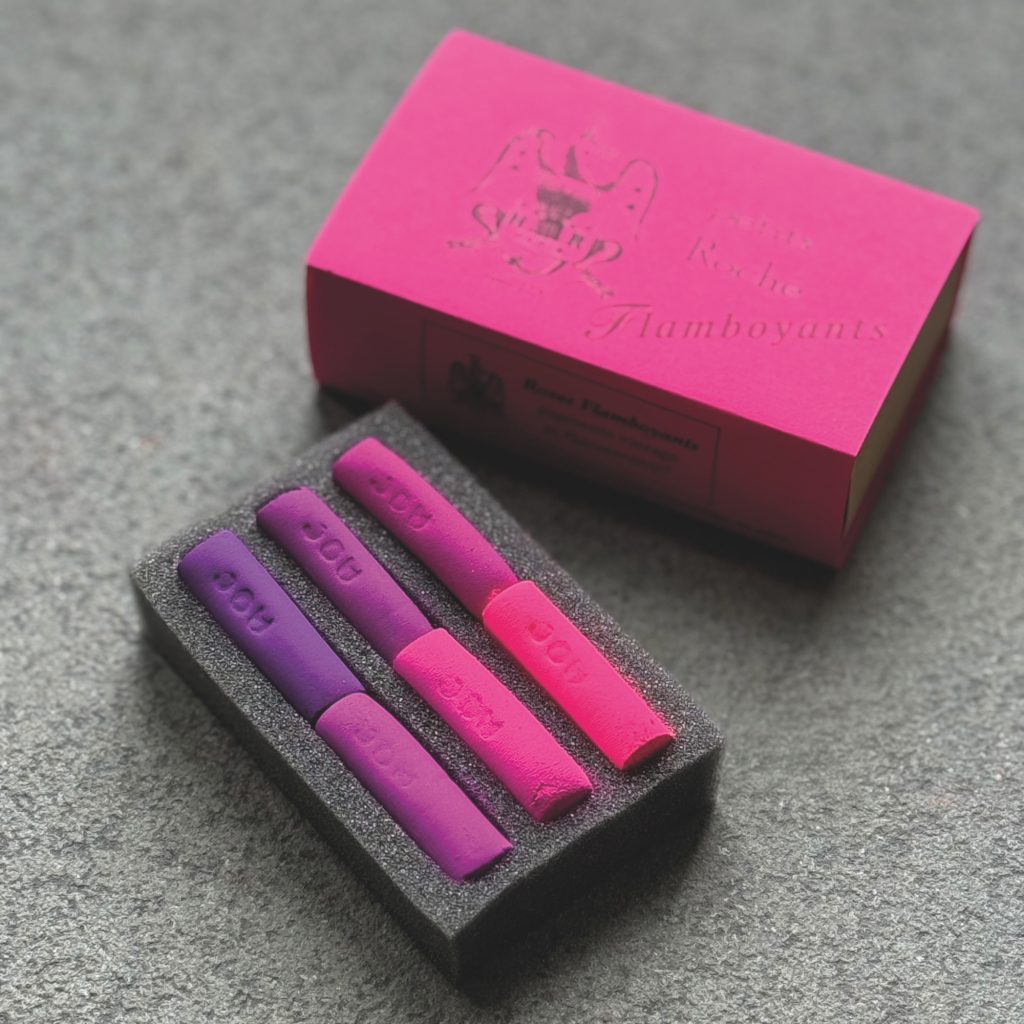
Hot pinks. Photograph by Margaret Zayer/Maison du Pastel.

“The colours are just beyond,” says fashion illustrator Richard Haines. “It’s like buying a box of bonbons—a delicious piece of Paris.” Recently, the maison’s palette surpassed 2,000 colours. The hues draw both artists and fashion designers (Karl Lagerfeld had a set), and devoted patrons know their favourites by their numbers or evocative names like Scarab and Flamboyants.

Maison du Pastel
A drying rack of pastels. Photograph by Margaret Zayer/Maison du Pastel.

A new line of fluorescent pastels debuts this summer, promising to ignite creativity in ways yet to be seen.