In Good Taste: One-of-a-Kind Dining Experiences at Four Seasons Resorts

“Authenticity” is a word that marketers love to bandy about—for good reason. Authenticity is shorthand for something that has real chops, that has integrity, that isn’t manufactured. And nowhere is that more important than in the fine-dining world, where success is impossible without it.  

Fortunately, at Four Seasons, authenticity isn’t just a buzzword; it’s a must. Here, we profile three destinations—in Anguilla, Maui, and Tamarindo—that are offering guests culinary experiences that are unique to the place, and personal to the chefs who create them. 

Four Seasons Resort and Residences Anguilla

Anguilla is known as the culinary capital of the Caribbean—and the dining options at Four Seasons Resort and Residences Anguilla live up to the island’s reputation. Executive Chef Emmanuel “Manu” Calderon oversees all dining at the destination, infusing each offering with the flavours and traditions of his upbringing and heritage. He grew up in the Yucatán Peninsula—“hungry all the time,” he says—watching his mother and grandmother prepare family meals. At the Resort, his love for the bold flavours of his native country is most evident at Lima-Limon, the Resort’s beachfront Mexican restaurant.  
FS Anguilla, Lima Limon
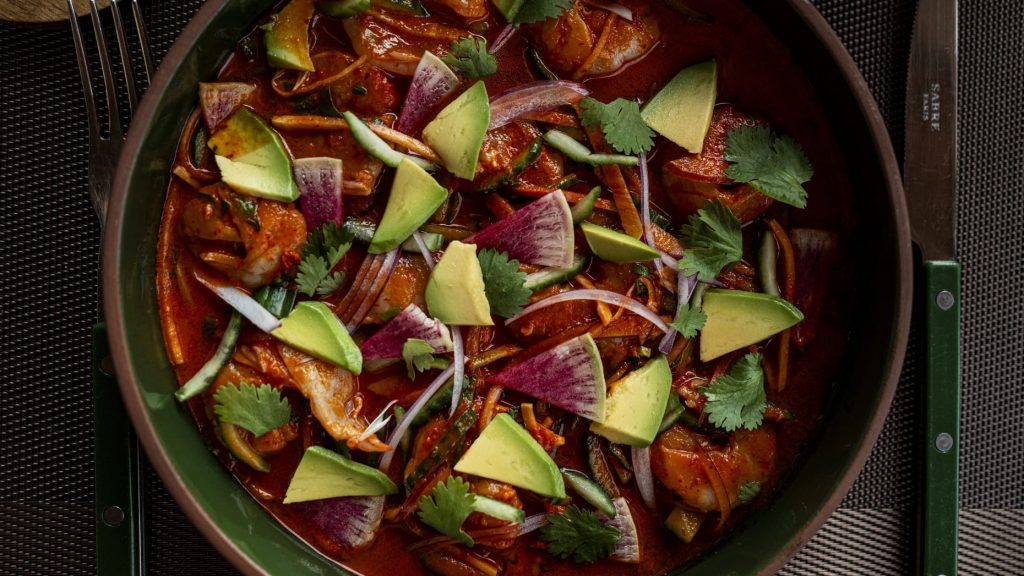
Shrimp in a fermented red pepper infusion with radish and avocado slices at Lima-Limon.

Set on a terrace overlooking Barnes Bay, Lima-Limon serves up elevated versions of crowd-pleasers like carnitas tacos, street corn, birria-style short rib, and churros. Chef Jorge Lopez De Lira currently helms the restaurant and has imbued the menu with his own take on Mexican cuisine—one that hints at the regional flavours of his hometown of Guadalajara. It’s an authentic dining experience that can only come to pass when the people behind it have spent a lifetime feeding their obsession. 
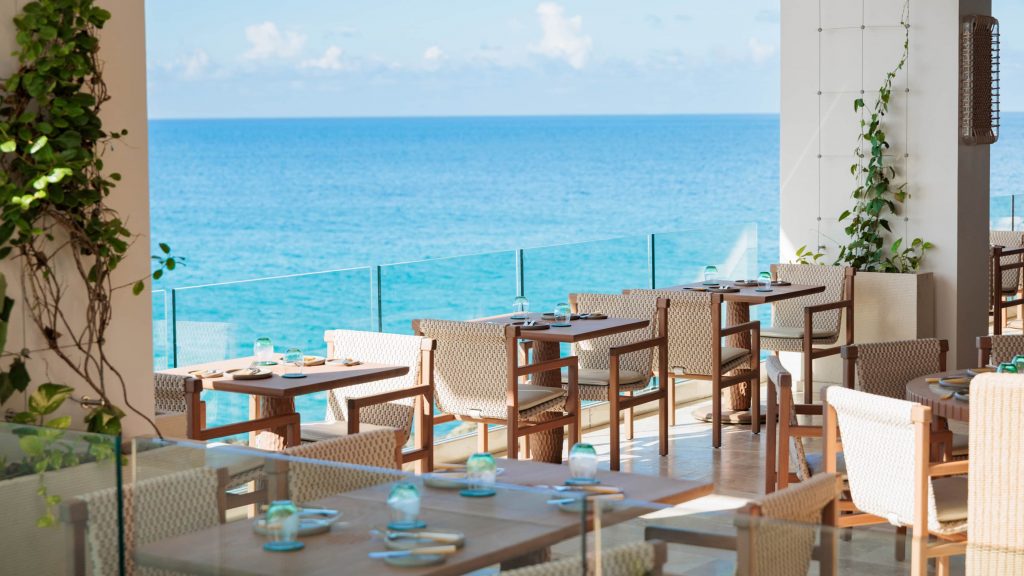
FS Anguilla, Salt
Sophisticated oceanfront dining at Salt.

Rounding out the Resort’s dining experiences is Salt, the newly renovated signature restaurant that celebrates Anguilla’s deep connection to the sea. Perched over the ocean in an elegant setting, Salt presents refined Caribbean cuisine, highlighting pristine local seafood and thoughtfully sourced ingredients. The refreshed space and menu invite guests to linger over beautifully crafted dishes that feel both elevated and rooted in place—an experience that captures the understated sophistication for which Four Seasons Anguilla is known. 
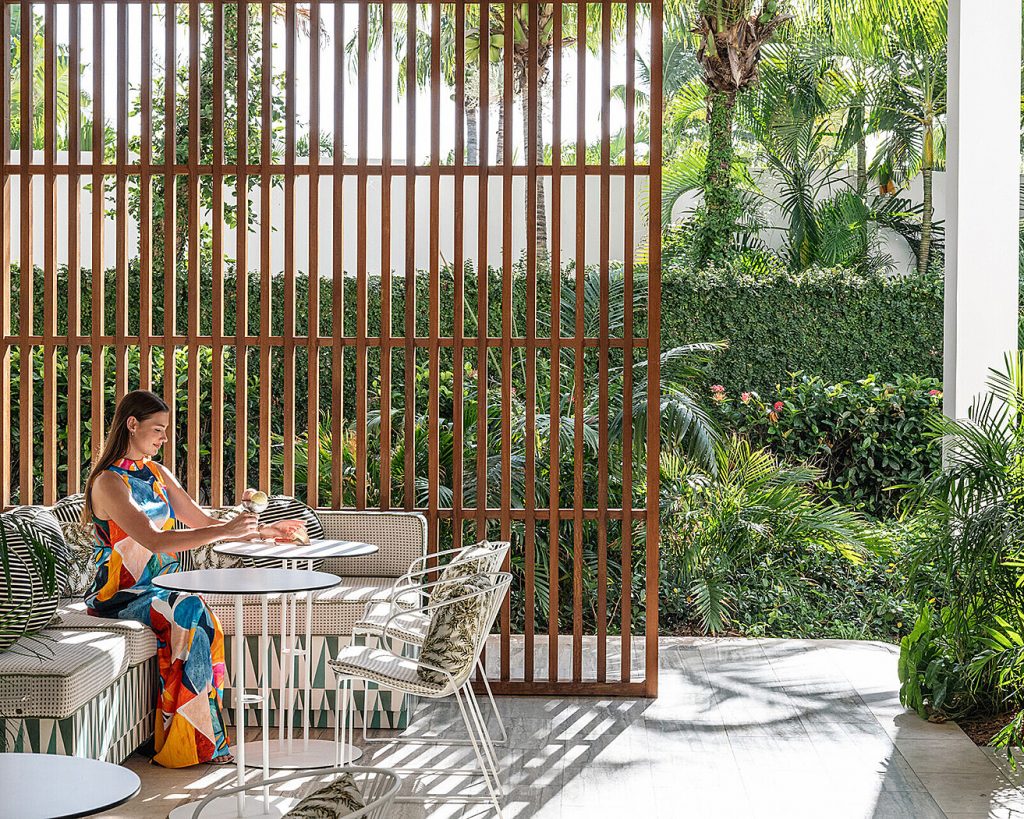
FS Anguilla, Cafe Nai
Bright and airy Café Nai.

Coffee aficionados, meanwhile, should make sure to stop by Café Nai, the on-site cafe that’s become the island’s go-to spot for a cup of artisanal java, a fresh smoothie, or grab-and-go delights like fresh pastries and creamy gelato.

Four Seasons Resort Maui at Wailea

Hawaii is an incredibly diverse state, with an ethnically Asian majority and 25 percent of the population speaking a language other than English at home. The dining options at Four Seasons Resort Maui at Wailea reflect this multicultural melting pot.

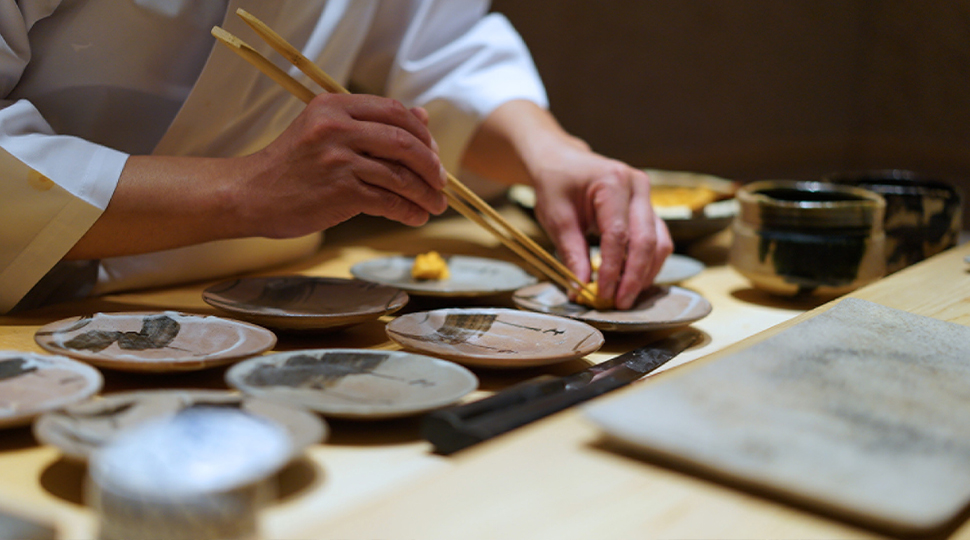
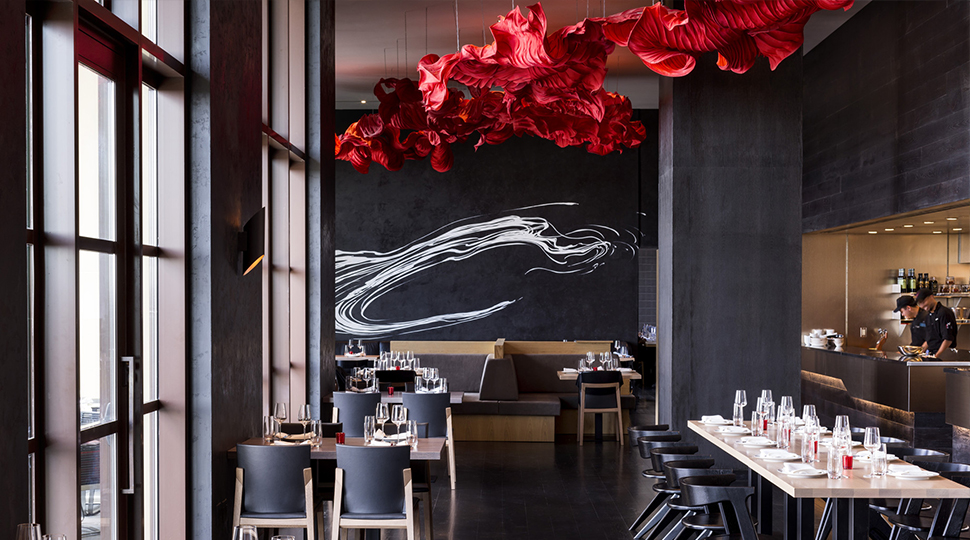
At KOMO, the Resort’s newest addition, extraordinarily fresh sushi—and time-honored Japanese culinary technique—is the main attraction. The über-chic 50-seat restaurant, designed by Atelier Pond, is led by Tokyo-born chef Kiyokuni “Kiyo” Ikeda, who honed his craft at Morimoto. From house-made dashi and custom-blended soy sauce to hand-grated wasabi and premium sake, KOMO’s commitment to authenticity is clear. 
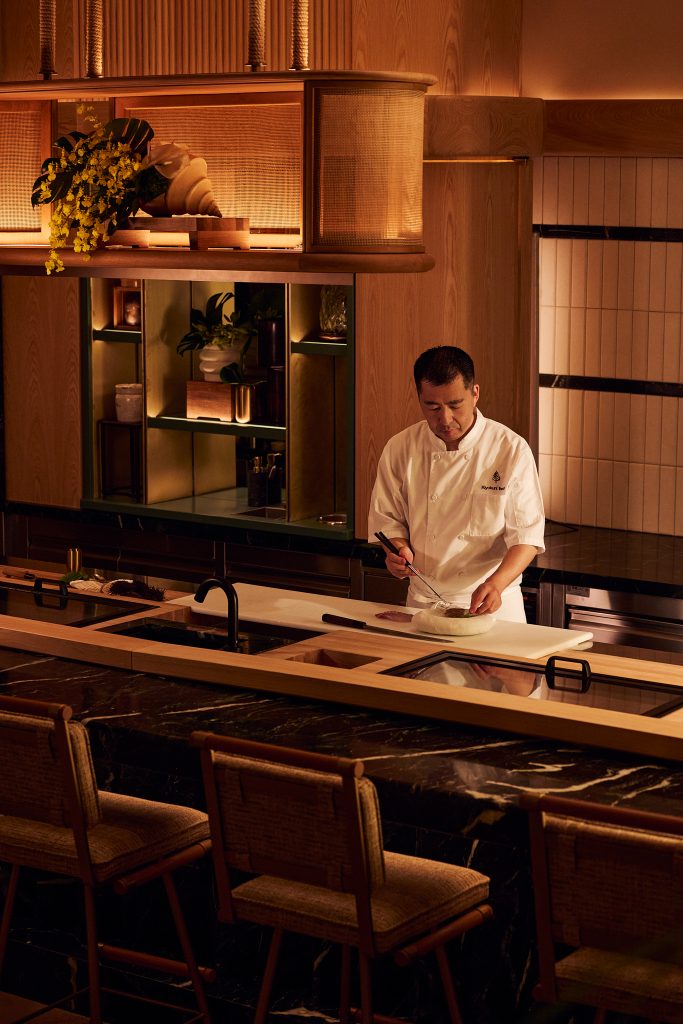
FS Maui KOMO
Chef Kiyo at KOMO’s sushi counter.

For a truly memorable experience, make a reservation at the 14-seat sushi counter and consider ordering the “Mystery Box,” an ever-changing selection of nigiri based on multiple weekly shipments from Tokyo’s famous Toyosu Market. Even Chef Kiyo doesn’t know what will arrive until the boxes are opened, ensuring that no two visits are ever the same as he transforms each surprise delivery into an unforgettable omakase experience.
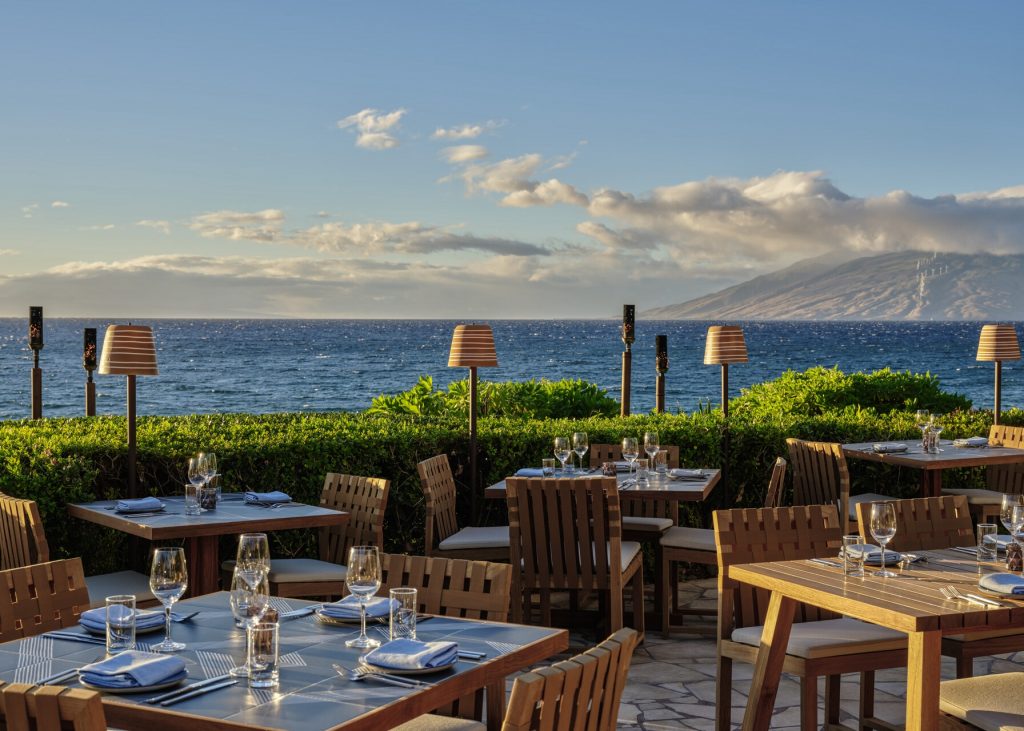
FS Maui, Ferraro's
Ferraro’s al fresco dining space.

Then there’s Wolfgang Puck’s Spago outpost, which serves up locally inspired fare alongside Spago classics, and Ferraro’s, an open-air oceanfront restaurant that churns out elevated Italian dishes (think fresh seafood and house-made pastas). In addition to serving lunch and dinner, the exceptionally situated Ferraro’s offers a special Golden Hour menu, timed to take advantage of the photo-perfect hours leading up to sunset.

Four Seasons Resort Tamarindo

Discerning travelers who want to get away from it all are making a beeline for Four Seasons Resort Tamarindo, in western Mexico’s relatively undiscovered and pristine Costalegre region. One glimpse of the 3,000-acre property, tucked within a secluded nature preserve and ringed by miles of lush jungle that culminates with the blue waters of the Pacific, and you’ll understand the allure. Foodies, in particular, won’t be disappointed. 
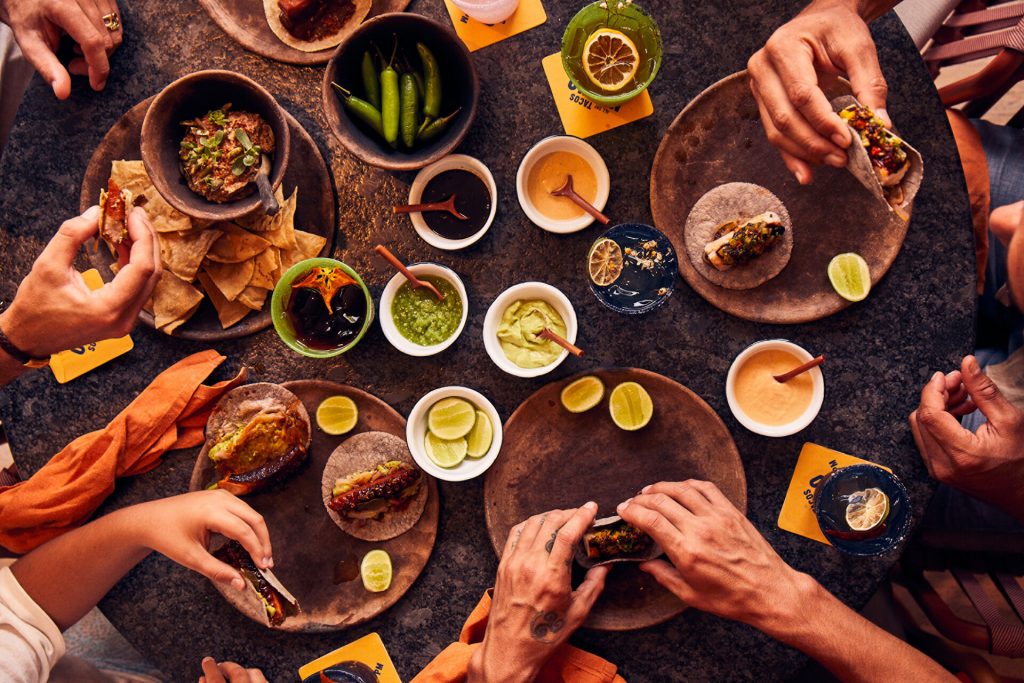
FS Tamarindo, Nacho
The “Travel Through Mexico Taco Tasting” experience at Nacho.

Tamarindo has three on-site restaurants, all highlighting Mexican heritage and gastronomy: Nacho, a casual taqueria; Sal, a seafood-focused terrace restaurant overlooking Majahua Beach; and Coyul, created in partnership with Elena Reygadas, who was named World’s Best Female Chef 2023 by The World’s 50 Best Restaurants. Reygadas is the chef-owner of a clutch of world-renowned eateries in Mexico City, including Michelin-starred Rosetta. At Coyul, she’s helped develop a menu that’s an irresistible fusion of Italian and Mexican flavours that emphasize regional ingredients and seasonality. 
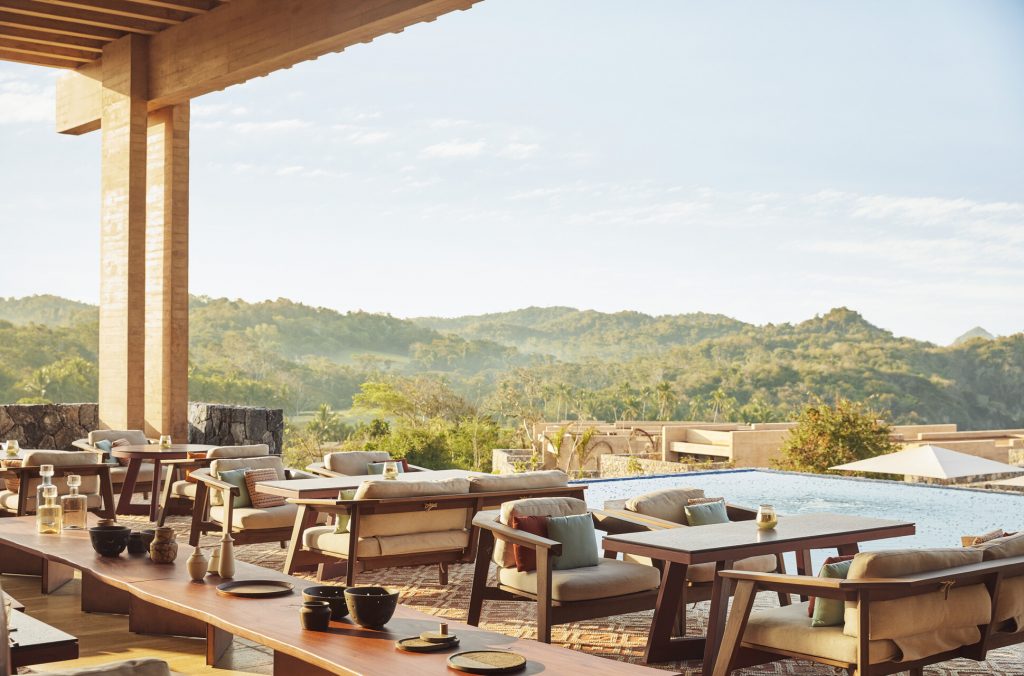
FS Tamarindo, coyul
Coyul serves both breakfast and dinner.

Sustainability is a theme that guides the resort’s culinary ethos, with some restaurants sourcing ingredients from Rancho Lola, the Resort’s on-site farm that grows indigenous crops and practices traditional farming methods. At the farm, guests can take a tour (and meet its resident chickens, goats, and pigs); plant a tree; sign up for a cooking class in the open-air kitchen; or enjoy a traditional Mexican breakfast, complete with just-harvested vegetables, fresh tortillas, artisanal Cuyutlán salt, and traditional coffee.  
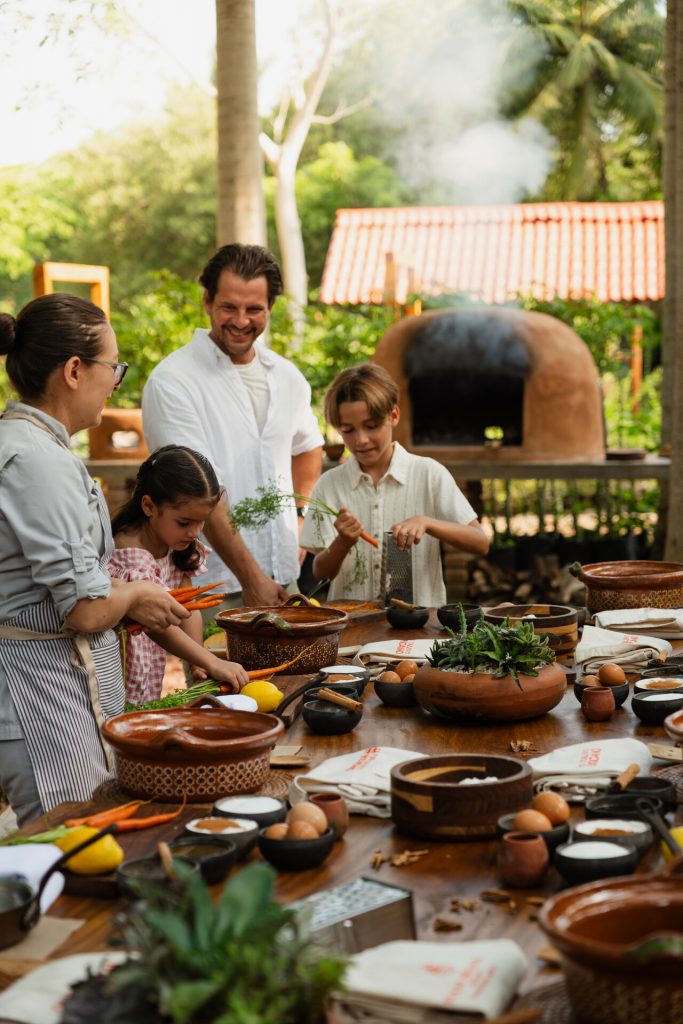
FS Tamarindo, Rancho Lola
Gather fresh ingredients—eggs, carrots, and honey—at Rancho Lola, then learn how to make carrot cake from scratch.

Tamarindo also offers a host of ways to imbibe the country’s distinctive flavours, including a blind tequila tasting, a margaritas workshop, a Mexican-wine tasting, and a coffee-extraction class that introduces guests to coffee beans from across the country. 
Mexico City Food Tour: A World of Flavours in 24 Hours

The Michelin Guide awarded a total of 26 stars throughout Mexico in 2024. It was the first time the coveted restaurant guide recognized the country’s vast cuisine, which was molded by Mexico’s indigenous culture and the influences of Spain’s colonization that linger to this day.  
It was also a pivotal moment in Mexico’s 13,000-year-old food culture, because the secret was officially out to the rest of the world: Mexican food is the best, boldest, and most diverse cuisine. The country that gifted the world such crucial staple ingredients as tomatoes, chiles, cacao, vanilla beans, chia seeds, spirulina, and perhaps the most quintessential ingredient used for everything from food to fuel—corn—finally got its overdue flowers on the international culinary stage. 
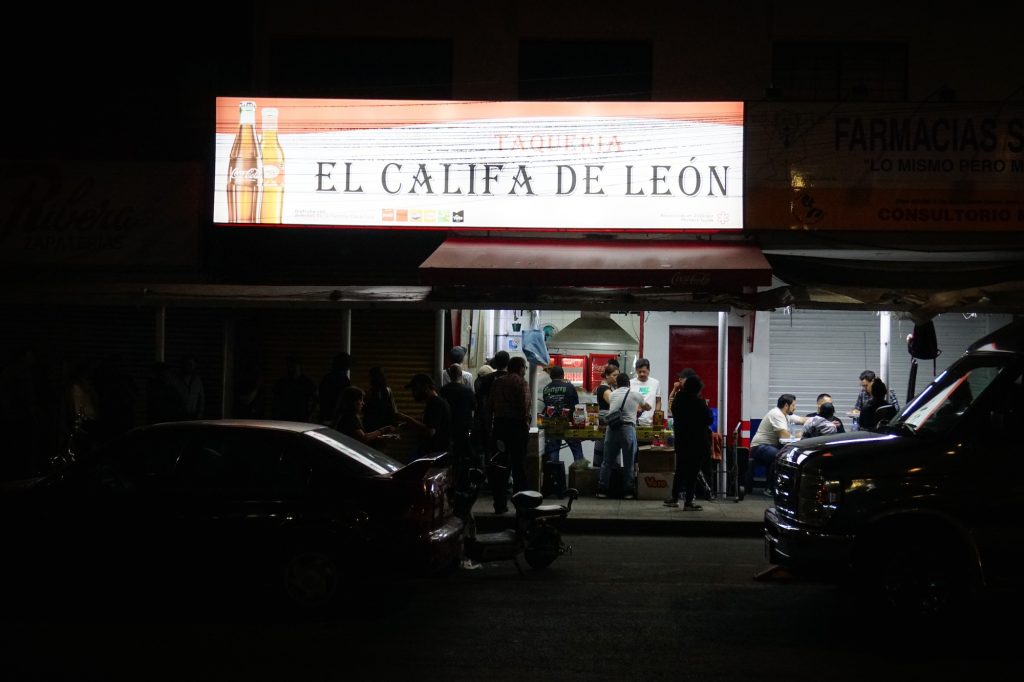
The world’s only Michelin star–rated taqueria, in Mexico City, offers just four tacos on the menu.

It’s not that a country that has maintained much of its indigenous identity and foodways needed a European-based tire company to validate its food. Still, the Michelin Guide aims a wrecking ball at the watered-down, cheesy, rich, sleeping-Mexican-on-a-saguaro representation of the cuisine that has existed around the world for so many years. “Many people don’t understand that Mexican cuisine is a ‘mother cuisine,’” says Pati Jinich, cookbook author, chef, and host of the PBS television shows La Frontera and Pati’s Mexican Table

Jinich was a political analyst before she switched to food; now, she’s the country’s most prominent advocate for defending regional Mexican food throughout her work in the United States. “It’s a global cuisine with Mexican pillars,” she says, “and has become stronger and bigger thanks to all the immigrant waves that have come into Mexico.”

Arabic shawarma gave rise to al pastor tacos. Italian pasta begat fideo, Mexican-style angel hair cooked with tomato. From France arose Guadalajara’s baguette-like birote sourdough, the basis of Jalisco’s beloved lonches and tortas ahogadas. And the distillation tools and techniques for mezcal and tequila arrived via the Manila Galleon Spanish trade route from the Philippines to Mexico. 

“Many people don’t understand that Mexican cuisine is a ‘mother cuisine,’” says Pati Jinich, chef and host of the PBS television shows La Frontera and Pati’s Mexican Table.

Mexico is also home to the world’s only Michelin star–rated taqueria, Taquería El Califa de León, located in Mexico City’s Cuauhtémoc district. Opened in 1969, it offers only four tacos, but they’re some of the country’s most simple, clean-tasting, and satisfying: seared bistec (chuck steak), grilled chuleta (pork chop), gaonera (ribeye), or costilla (beef rib). They are served on perfect corn tortillas made to order on a roller and simply adorned with a refreshing raw tomatillo salsa or a spicier and more complex red salsa made with dried red chiles.  

Bring up Mexico City to any food-obsessed person, and they will likely start shouting out their favourite spots. The capital city—or CDMX (Ciudad de México), as it is now called, instead of its old name, “Mexico DF”—is home to nearly 10 million residents and boasts more than 57,000 restaurants, making for a dining scene rife with high-low thrills. Many of its inhabitants moved there generations ago from other parts of Mexico, and visiting there is one of the easiest ways to taste the country’s vast regional variations and enjoy both traditional food and new-school modern Mexican. (To experience the best of the city today, from street eats and local markets to mezcal tastings, discover Mexico City Food Tours led by local experts.)

A Taste of CDMX

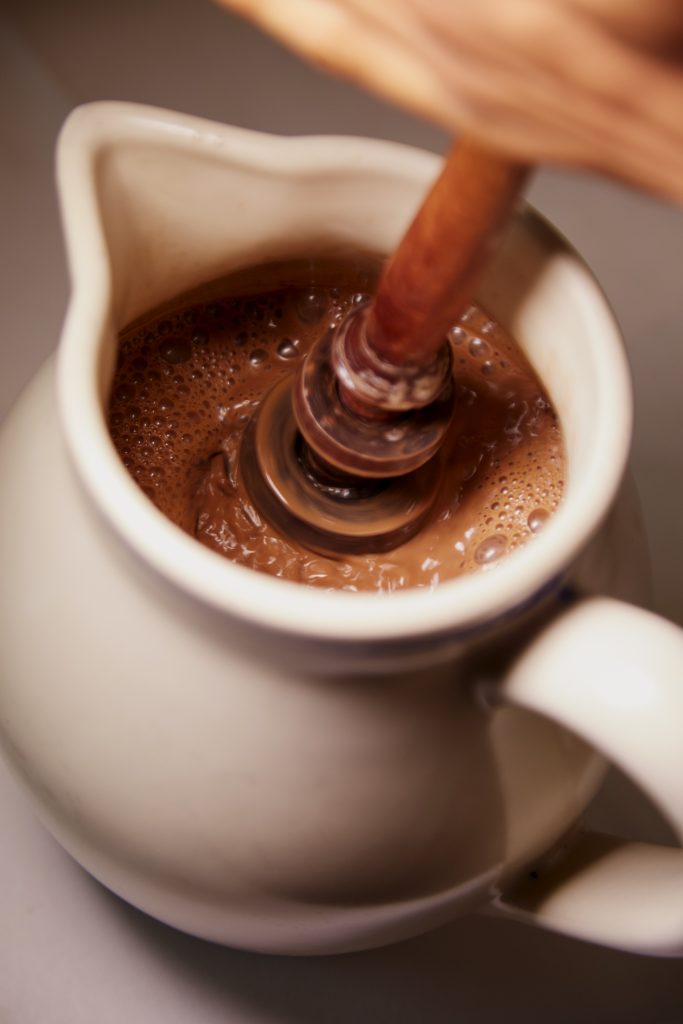
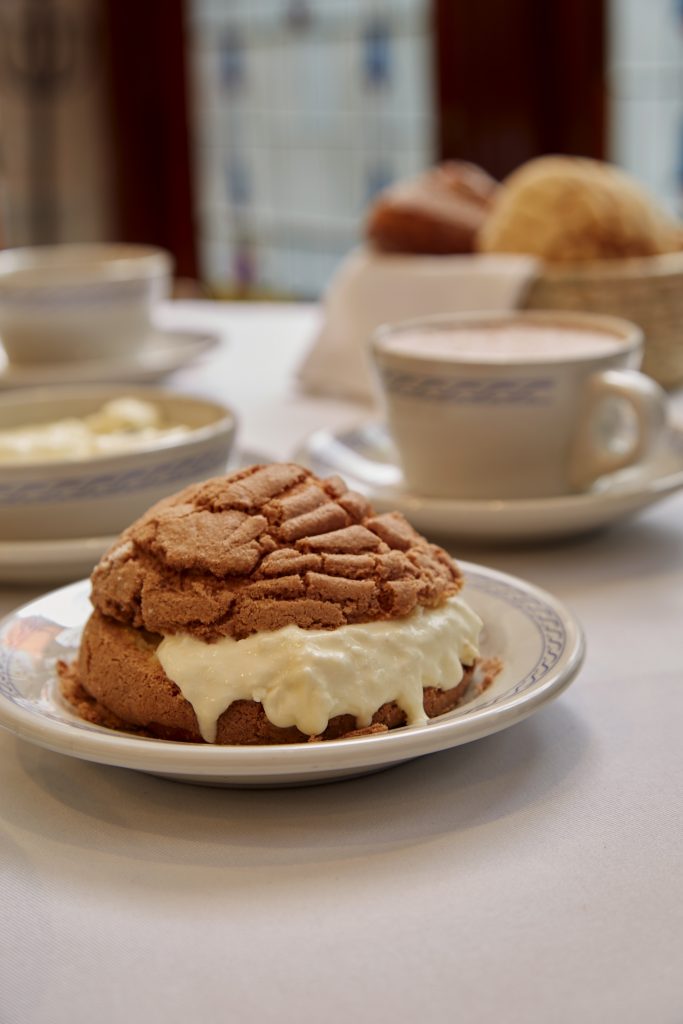
One of my favourite ways to explore Mexico City’s restaurants is to start the day at El Cardenal in Centro Histórico and admire its traditional “captain service,” where an army of lifelong waiters is always ready to refill your mug full of frothy drinking chocolate until you say “stop”—and another server is right behind them offering freshly baked warm, tender conchas (sweet bread) sandwiched with nata, a Mexican spreadable sweet cheese that is somewhere between clotted cream and stracciatella.

Frothy hot chocolate at El Cardenal.
Sweet bread with nata.

Afterward, I might walk off my breakfast through Centro’s bustling cultural sights and sounds at Templo Mayor, located next to El Cardenal, then go on to check out Diego Rivera’s magnum opus mural inside the Palacio de Bellas Artes. Mexico City is one of the most walkable cities, after all.  

For a pre-lunch snack, I would take a cab to my favourite raw bar in the world, Mi Compa Chava. It specializes in Mexico’s national seafood delicacy of scallop-like pen shell clams called callo de hacha, hand-dived and delivered every other day from Sonora. Each clam is the size of a jicama and seasoned to eye-opening levels of umami with chef Salvador “Chava” Orozco’s crushed peppercorn-like chiltepín chiles and salsas. Also obligatory is the handmade coconut soft serve, and if you are lucky enough to be there during Mexico’s mango season, their mango variation made with Colima’s rare barranqueño variety of ultra-sweet mangos.   

Next comes lunch at Oma, the Japanese omakase restaurant helmed by Abraham López, the Japanese-trained chilango (what you call someone who is proud to be from Mexico City) sushi chef at Four Seasons Hotel Mexico City. He proudly sources his menu using 90 percent Mexican ingredients, including responsibly farmed bluefin tuna, totoaba fish, and Japanese vegetables grown in Cuernavaca, Mexico City’s nearby city with warmer weather.  

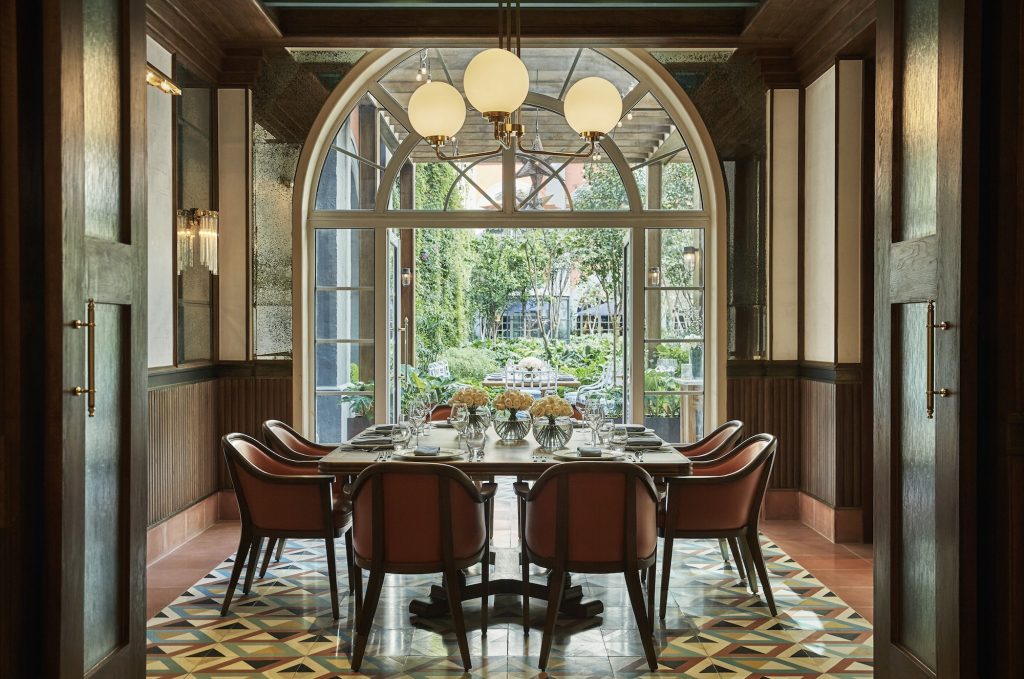
Zanaya at Four Seasons Hotel Mexico City.

López sees many parallels in Mexican and Japanese cuisines, because they both greatly respect ingredients and tradition. “I carry the Japanese spirit of wanting to get better every day,” he says.  

Omakase and tastefully inspired Mexican sushi are having a moment in Mexico, with restaurants like Oma calling dibs on prized seafood like toro and uni before it departs to Tokyo. On López’s menu, he takes inspiration from his Oaxacan roots and his mother, and he grates cacao onto Baja-grown kampachi and sears it so it’s juicy and filled with sweet and salty flavours. “Omakase does not have to be monotonous,” he says. “My favourite moment is when Japanese and Korean customers are skeptical about having a Mexican omakase and leave surprised and shocked to hear that our seafood is all from Mexican waters. I love changing perceptions.”  

For a more traditional coastal dinner, visit Zanaya, the innovative Mexican seafood restaurant at Four Seasons Hotel Mexico City. Its menu is influenced by the cuisine of the state of Nayarit—a true Mexican seafood powerhouse. There you can make your own tableside tacos with the menu’s smoky pescado zarandeado (fire-grilled fish) or try the electric-like aguachile, which is as spicy as it is refreshing. Either dish will transport you right to the Bahía de Banderas at first bite. 

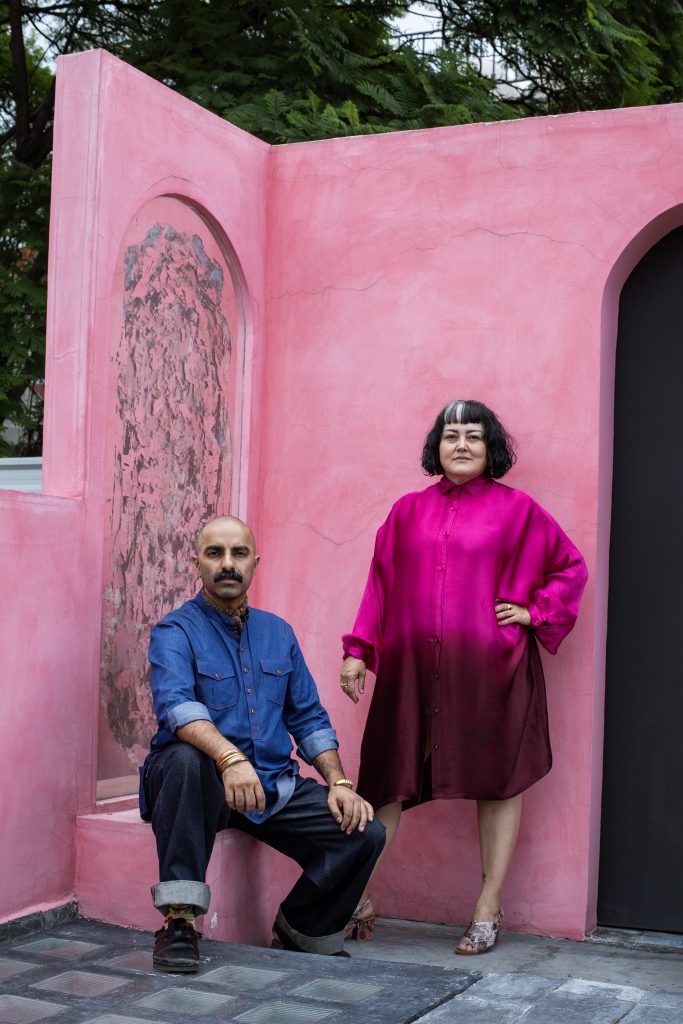
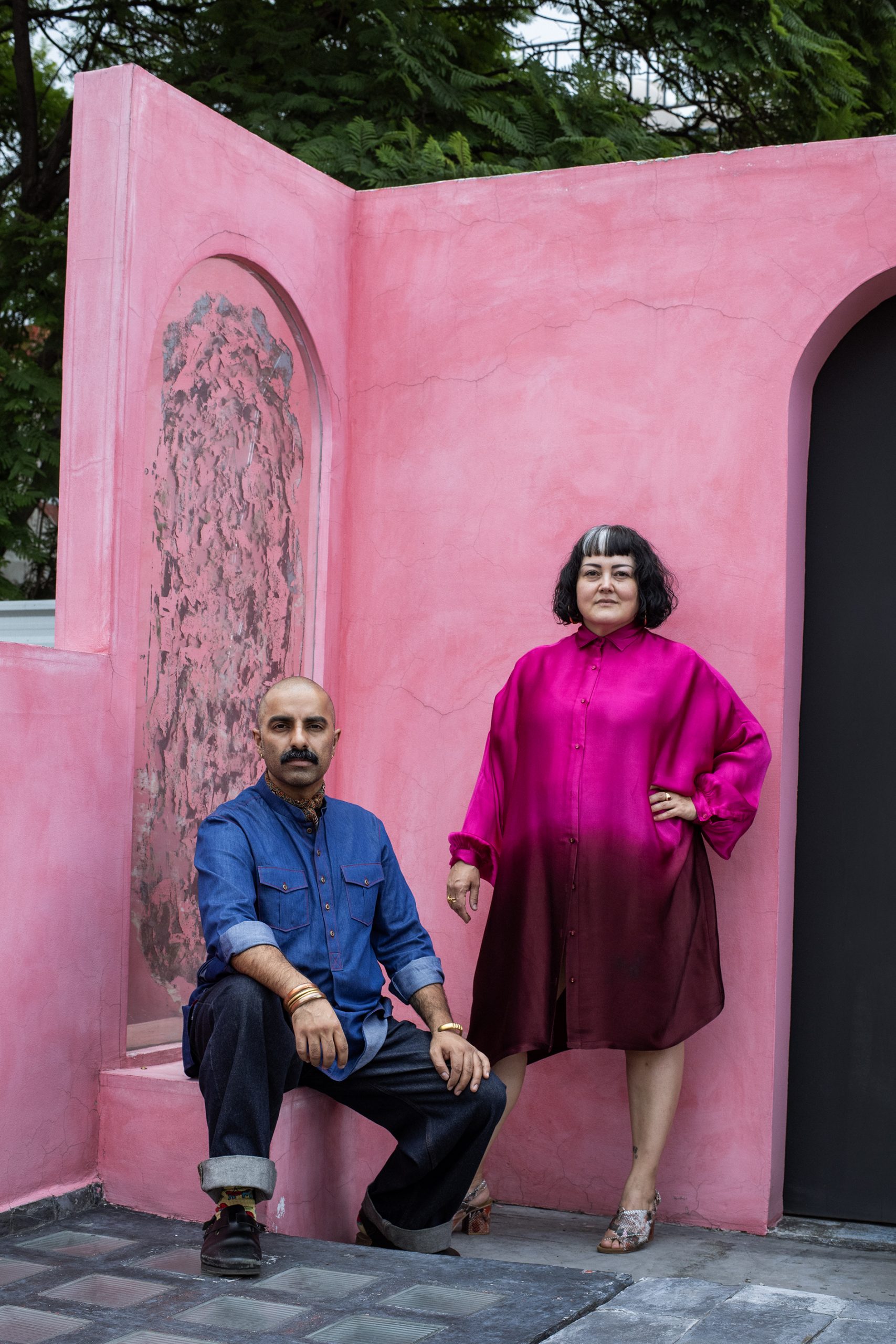
Keval and Listman of Masala y Maíz. Photograph by Ana Lorenzana
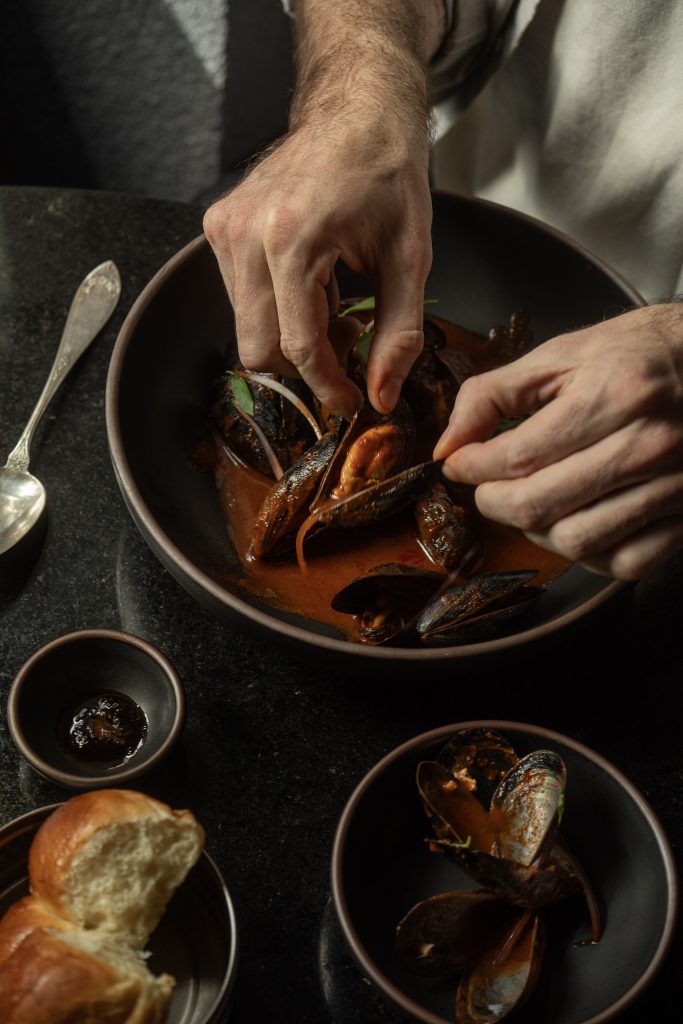
A fusion of global flavours at Masala y Maíz. Photograph by Ana Lorenzana

A mind-melting dinner—equal parts art, food, politics, and deliciousness—awaits at Masala y Maíz. Chefs and owners Norma Listman and Saqib Keval are among Mexico City’s most passionate advocates for human rights. They let it be known through a revolving “call to action,” a radical phrase posted on the front of their menus, and through interactions with their servers.  

It’s a thinking person’s restaurant that melds South Asian, East African, and Mexican flavours and techniques in one stunning setting. Standout dishes include coconut milk esquite (warm shaved corn in broth), large shell-on prawns gently cooked in vanilla bean–perfumed ghee, and a vegetarian infladita de maíz, which one eats like India’s street food, pani puri. The wine list is all natural grapes and the kind of juice that sparks a conversation with your dining companion, sometimes by the colour alone as it is poured. 

To end my ultimate day of indulging in CDMX, I would head to Enrique Olvera’s lesser-known lo-fi mezcal bar, Ticuchi, where guest deejays spin vinyl. Olvera is Mexico’s most prolific chef and the pioneer of modern Mexican food. His flagship restaurant, Pujol—featuring a tasting menu and a taco omakase bar—was awarded two Michelin stars last year.  

Ticuchi is his much more laid-back concept. Its six different margarita variations are all refreshing in their own way, and the more alcohol-forward “Nosferatu” Negroni, infused with cacao blossoms, is one of the best cocktails in the city. Olvera-approved bar snacks include the utterly sensational tamal de esquite.  

A Meal to Remember: Luxury Dining with Four Seasons

An extraordinary meal endures in our memory, not only for the artful cuisine but also for the experience around it. When we take our seat at the table with friends or loved ones, time slows down: We’re fully present, together, in the moment, with all our senses engaged.

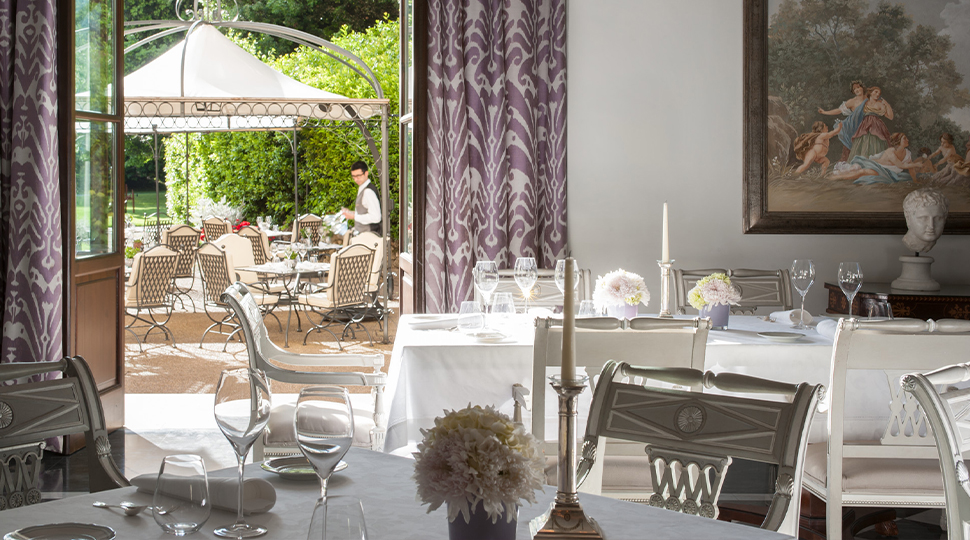
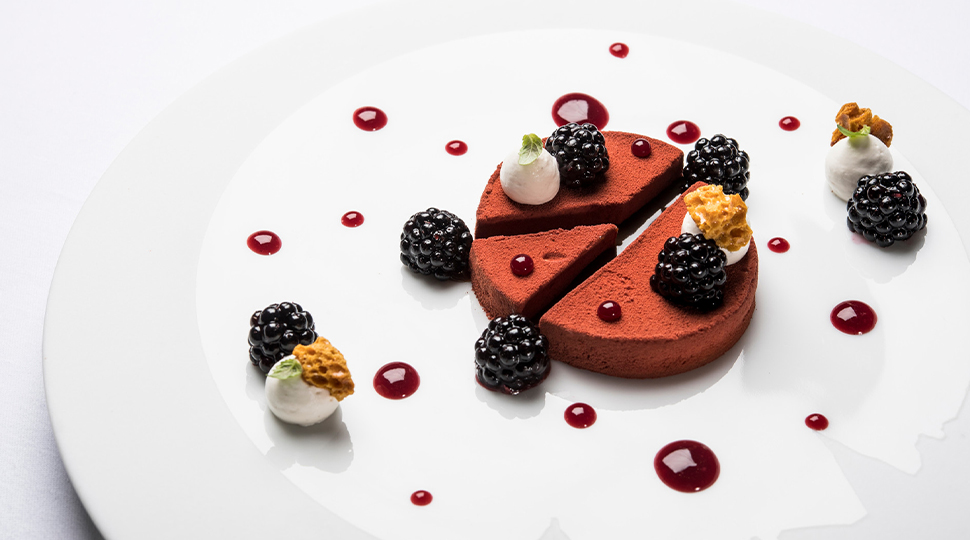
Fans of award-winning fine dining will feel at home at Four Seasons, whose 25 restaurants with Michelin stars across 20 Four Seasons hotels and resorts have 34 stars and counting – the most of any luxury hospitality brand – and a host of accolades from arbiters of excellence like Black Pearl and Gault&Millau. Along with outstanding cuisine, there’s another important aspect of every meal: the warm, personalized service Four Seasons is known for.

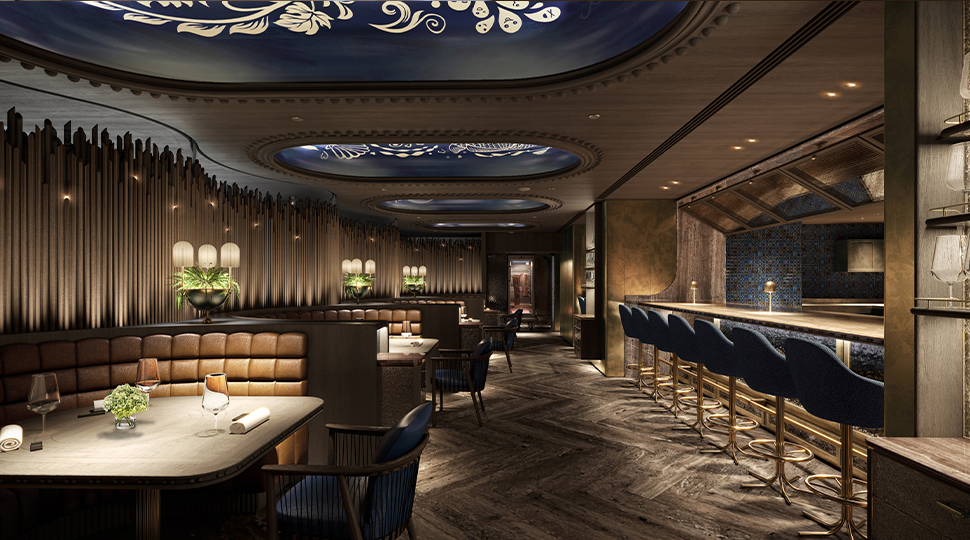
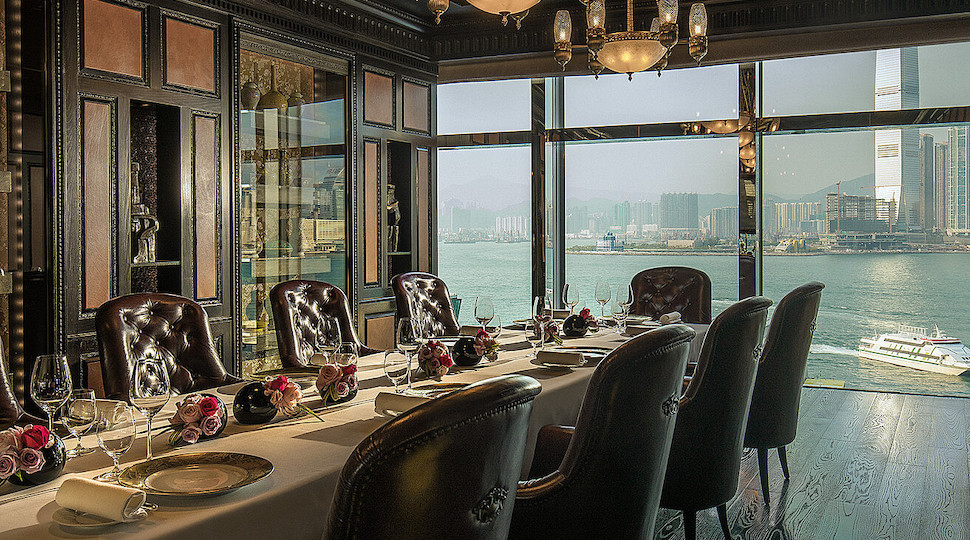
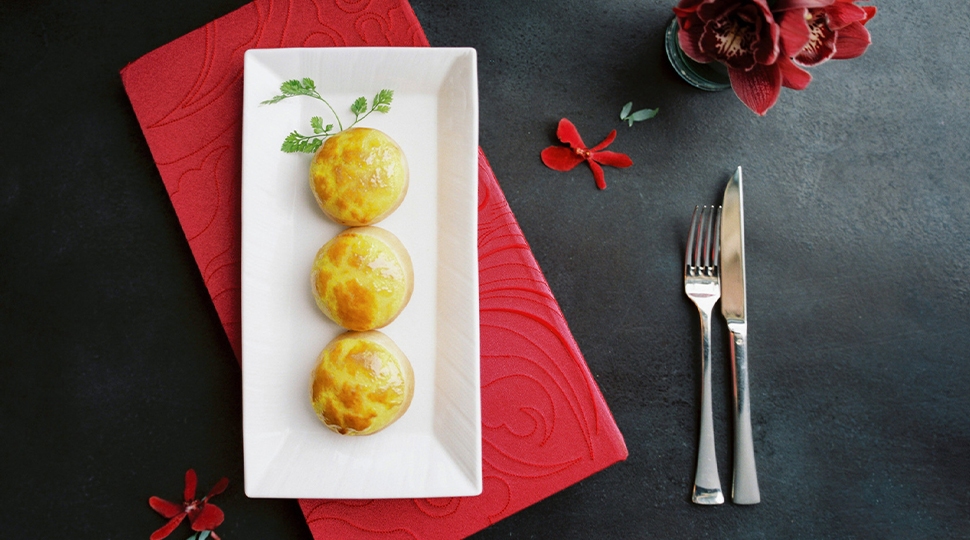
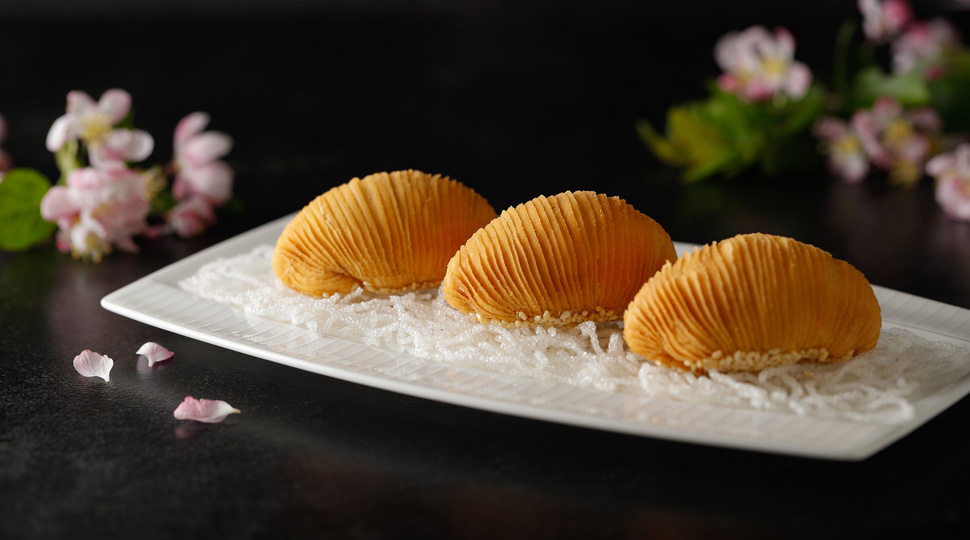
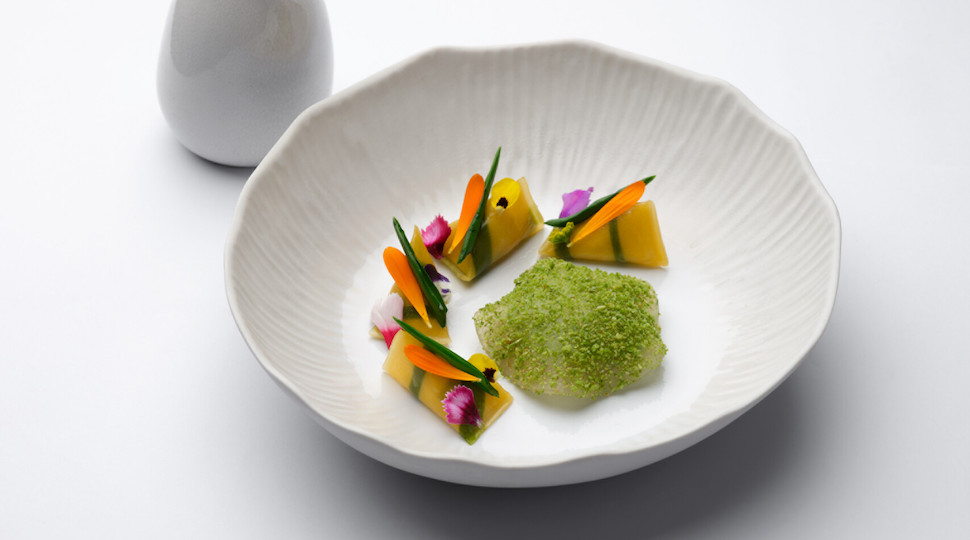
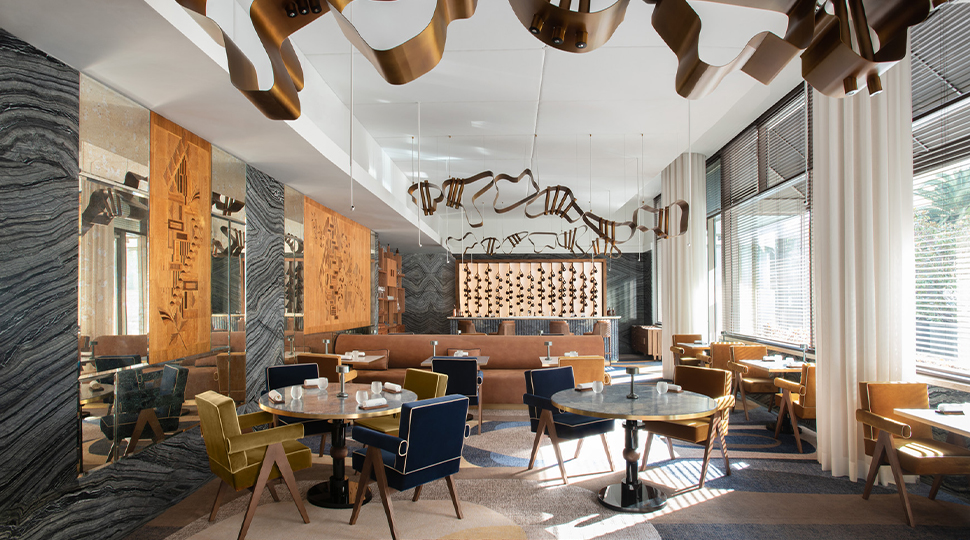
Those looking for fine dining in Hong Kong will find a variety of exceptional cuisine all under one roof. Four Seasons Hotel Hong Kong alone holds eight Michelin stars for impeccable French cuisine at Caprice (three stars), Cantonese at Lung King Heen (two), Italian at Noi (two) and Japanese at Sushi Saito (one), while ARGO is honoured on the list of the World’s 50 Best Bars. One of the most celebrated Chinese restaurants anywhere, Lung King Heen shines in dishes like Pineapple Pork Buns, with ingredients personally sourced and inventively prepared by Executive Chinese Chef Chan Yan Tak.

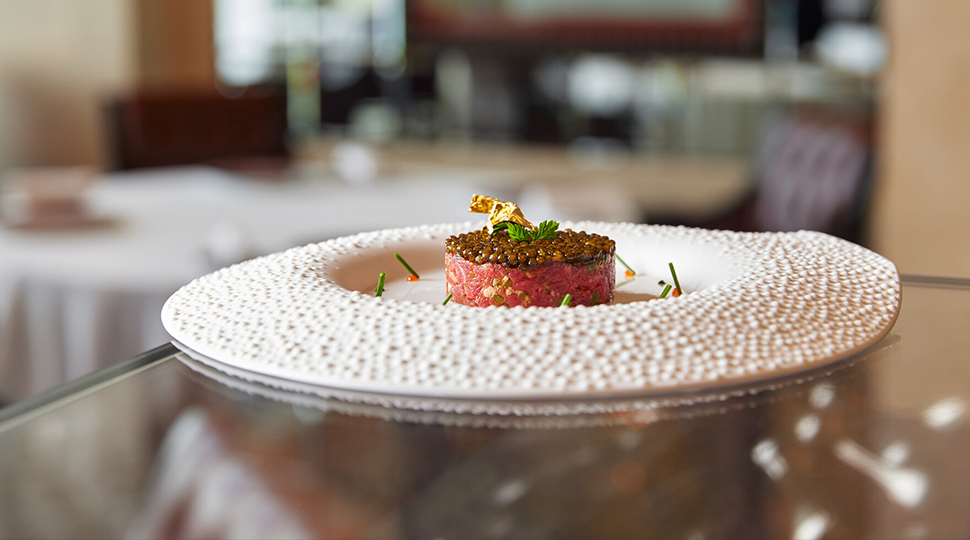
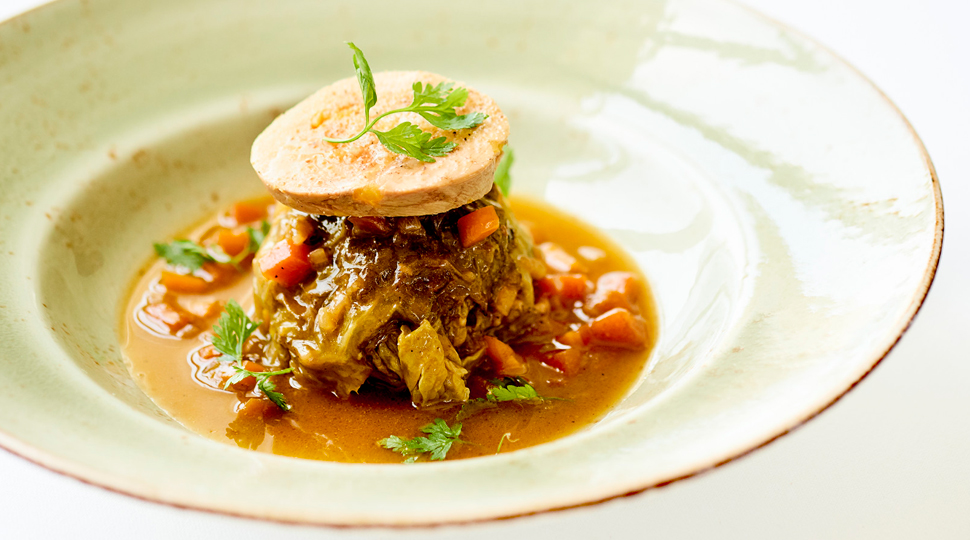
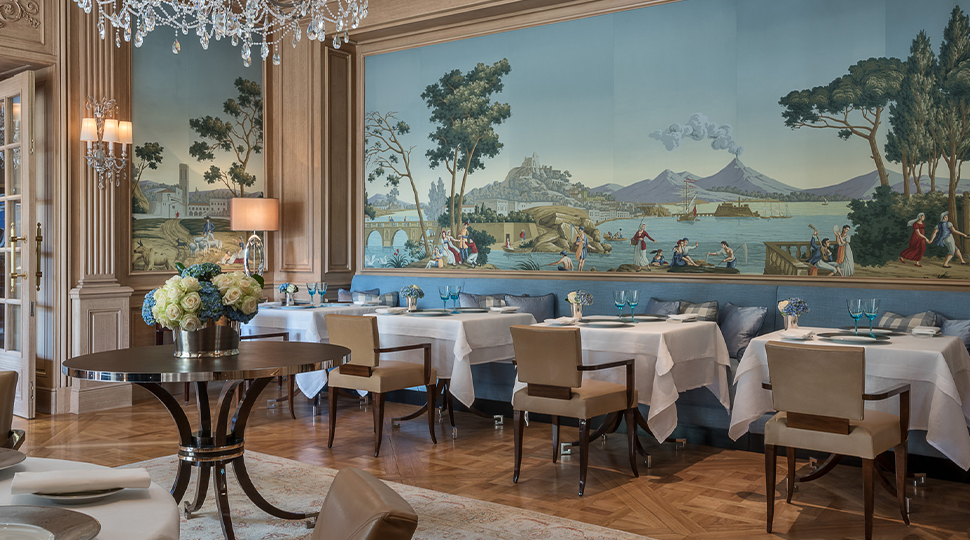
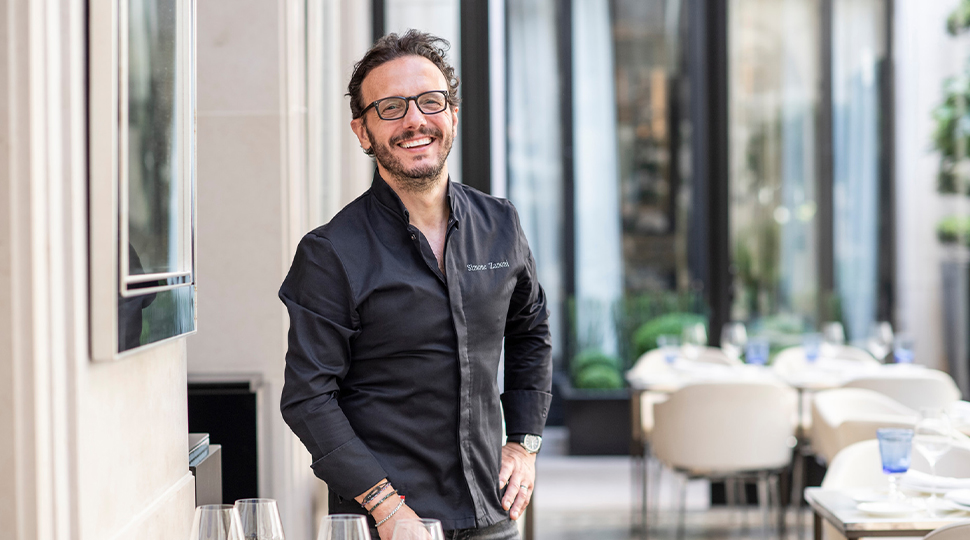
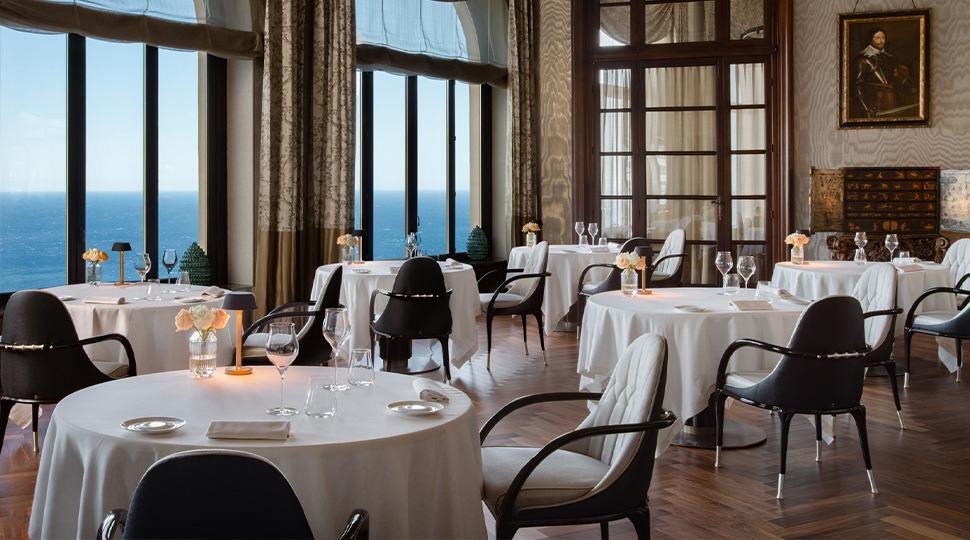
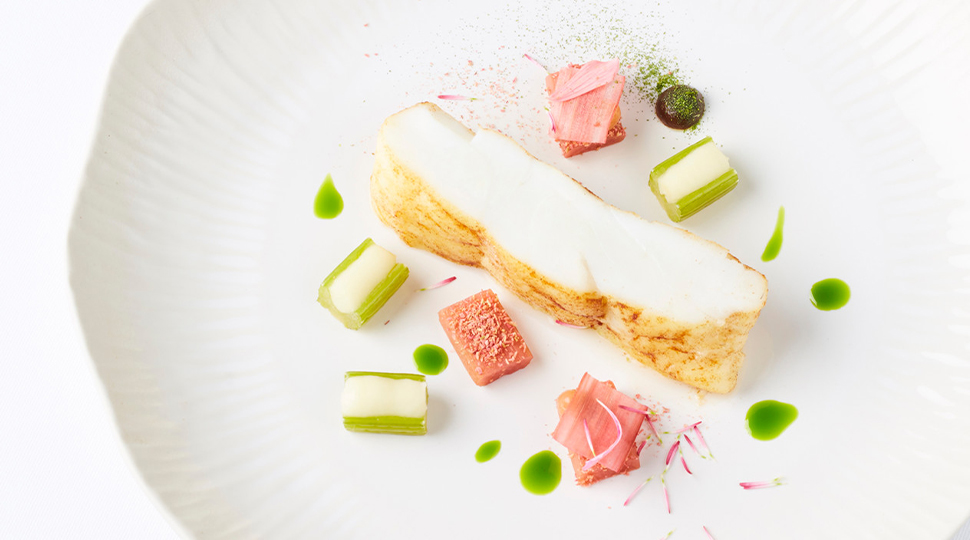
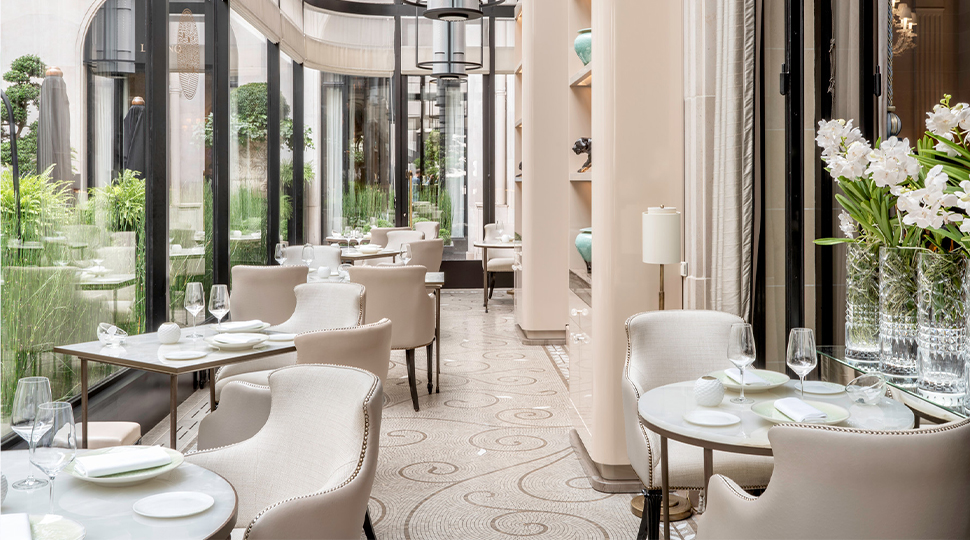
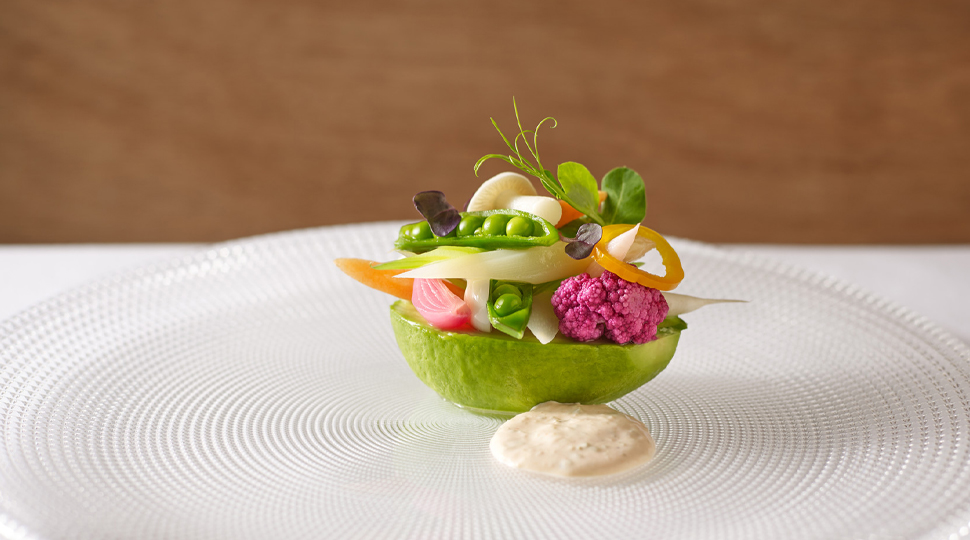
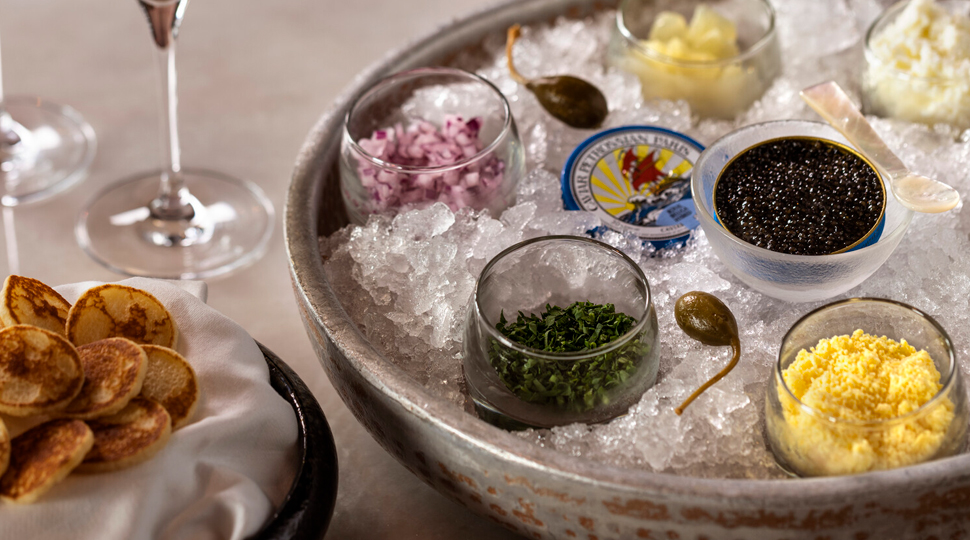
At Four Seasons Hotel George V, Paris, Michelin-star dining captivates at modern French Le Cinq (three stars), plant-focused L’Orangerie (two) and Italian-Mediterranean Le George (one). In Le Cinq dishes such as Line-Fished Sea Bass, Executive Chef Christian Le Squer marries elegant and personally meaningful flavours like caviar with buttermilk that nods to his childhood in Brittany. The team’s service, notes Michelin, “is a model of empathy and style that is close to perfection.” And the experience at Le George, which also holds a Michelin green star for its commitment to sustainable gastronomy, extends beyond the dining room: Guests can join Chef Simone Zanoni for a visit to the organic kitchen garden in Versailles, followed by a private cooking class, taking fine dining in Paris to new experiential heights.

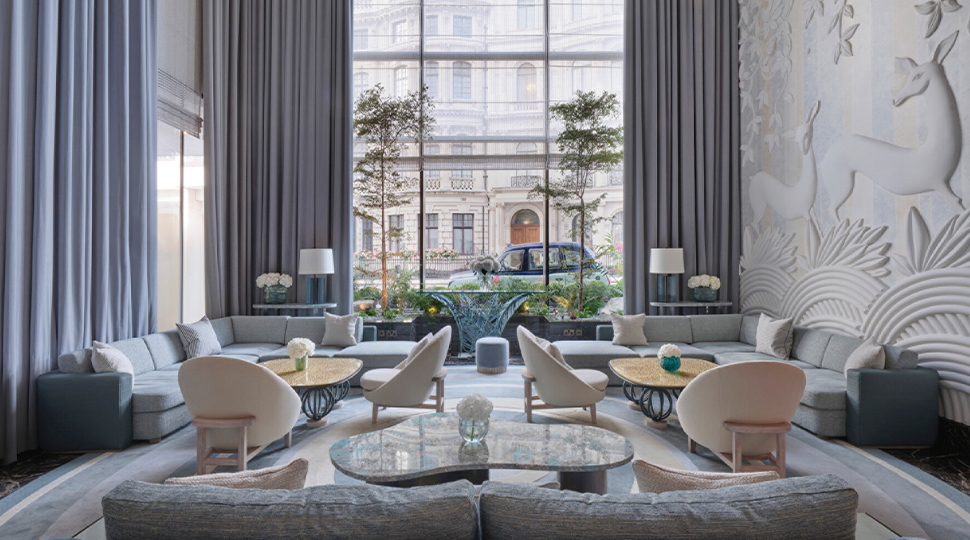
While legends like Le Cinq have been celebrated for decades, even the newest Four Seasons restaurants are earning acclaim. Pavyllon London, the debut London restaurant from multi-Michelin-award-winning Chef Yannick Alléno set within Four Seasons Hotel London at Park Lane, has also received its first star just six months after opening in July 2023. Chef Alléno and his world-class kitchen team have drawn inspiration from seasonal British produce as well as a passion for innovative French cuisine to create “an interactive, less formal, neighbourhood dining experience centred around countertop seating and great food,” just as Alléno intended.

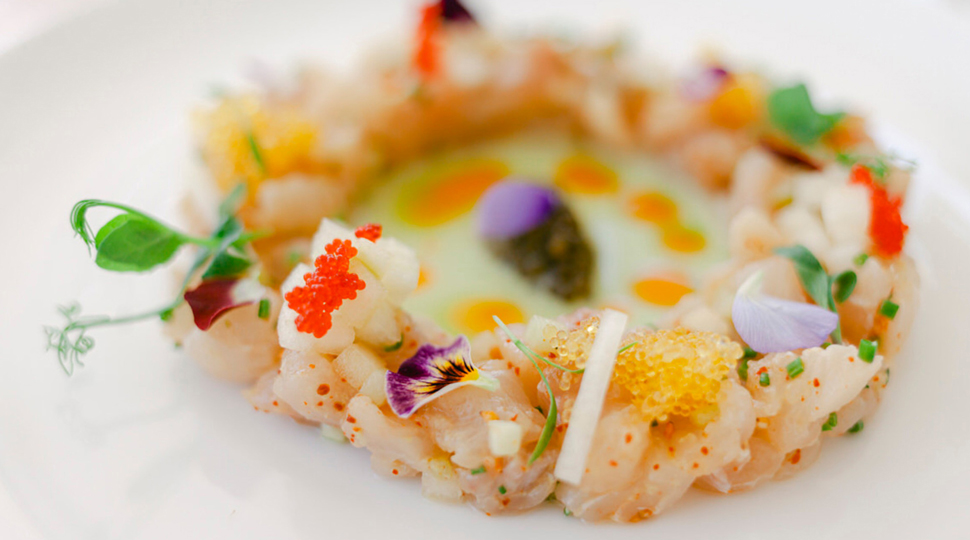
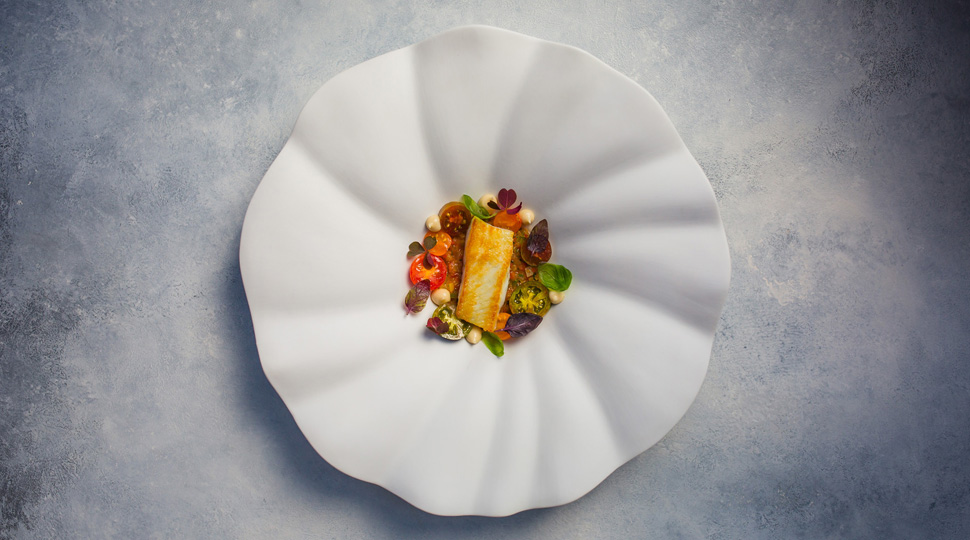
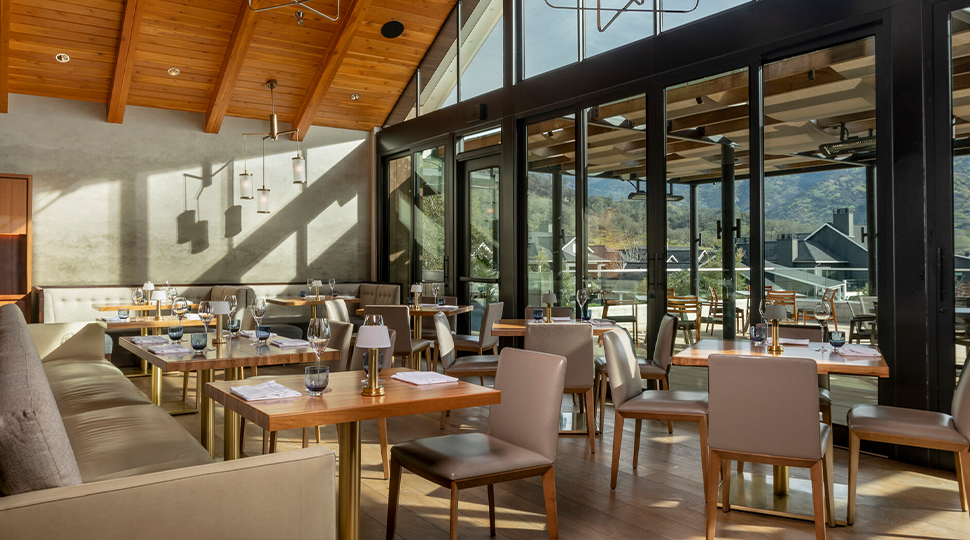
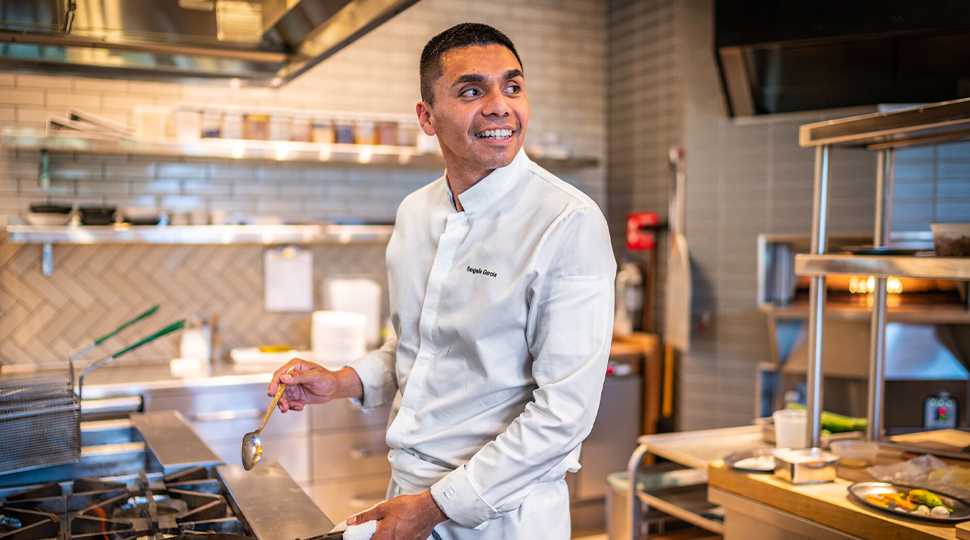
Set within a working vineyard, Four Seasons Resort and Residences Napa Valley is an immersive culinary experience in and of itself, and its Auro restaurant was awarded a Michelin star within a year of opening, as well as a “Wine Spectator” Best of Award of Excellence. Executive Chef Rogelio Garcia draws from seasonal and personal inspirations to develop dishes like Dry-Aged Shima Aji, a flower-shaped creation that entices the eyes and the palate with its bright citrus, spicy and salty flavours. Guests can also enjoy wine dinner series, harvest festivities and other special events. Here, though, as at all Four Seasons restaurants, coming together over unforgettable food and drink can become its own kind of special occasion.

Iconic dining experiences in iconic settings

YOUR JOURNEY BEGINS HERE

Where will your next unforgettable meal take place?

Hong Kong skyline